Digital SEO Marketing: Complete Guide to Search Engine Optimization Strategy
Digital SEO marketing is the practice of optimizing your website and content to rank higher in organic search engine results, driving free, targeted traf...

Digital SEO marketing is the practice of optimizing your website and content to rank higher in organic search engine results, driving free, targeted traffic from users actively searching for what you offer. Unlike paid advertising, SEO earns visibility through relevance, authority, and technical excellence rather than ad spend.
In a landscape where AI-generated search results, voice queries, and shifting algorithms dominate the conversation, one thing remains clear: SEO is evolving, not dying. Businesses that invest in a disciplined search engine optimization strategy continue to outperform competitors who rely solely on paid channels.
This guide gives you everything you need—from foundational concepts to a step-by-step strategy framework, real-world digital marketing SEO examples, and a practical checklist you can implement immediately. Whether you're a founder, marketing manager, or solo publisher, you'll walk away with a clear understanding of how SEO works and how to make it work for your business.
What Is Digital SEO Marketing? Quick Answer

Digital SEO marketing is the discipline of improving a website's visibility in organic (unpaid) search engine results as part of a broader digital marketing strategy. It combines technical optimization, content creation, and authority building to attract users who are actively searching for products, services, or information.
Here's the distinction that matters: traditional SEO focuses narrowly on search rankings. Digital SEO marketing integrates those efforts into a multi-channel digital strategy—aligning SEO with content marketing, social media, email, and conversion optimization to drive measurable business outcomes.
Core components include:
- Keyword targeting aligned with user intent
- Technical website optimization for crawlability and speed
- Content creation that satisfies search queries comprehensively
- Link building and brand authority development
- Performance measurement using organic traffic, rankings, and conversions
In my experience working across dozens of campaigns, the businesses that treat SEO as a standalone tactic underperform those that weave it into their entire digital marketing ecosystem. SEO isn't just a traffic source—it's a compounding asset.
Is SEO Dead or Evolving in 2026?
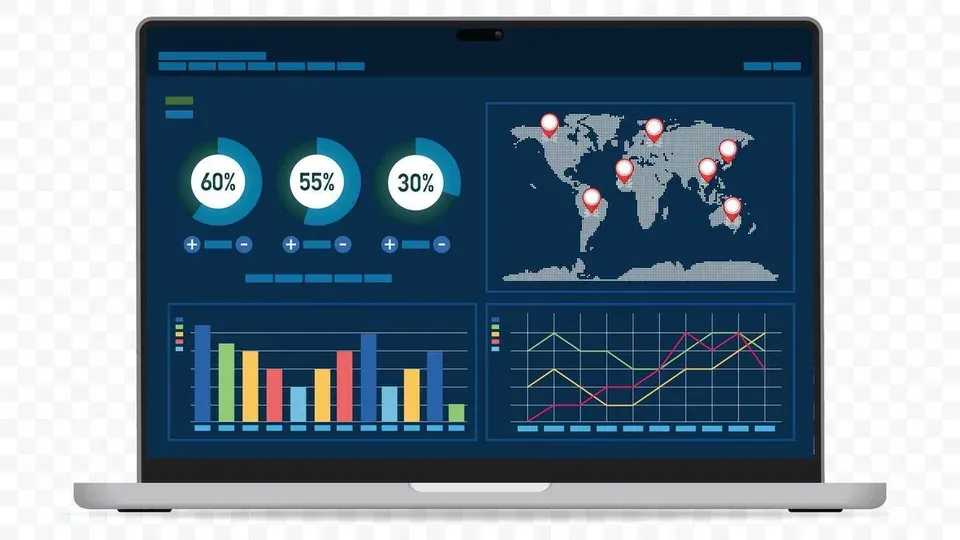
Let's address this directly: SEO is not dead. It's evolving rapidly, and that evolution is exactly why it remains one of the most powerful digital marketing channels available.
The "SEO is dead" narrative resurfaces every time search engines introduce a major change. Google's AI Overviews (formerly SGE), deeper Gemini integration, and zero-click search features have shifted how results appear. But they haven't eliminated the need for optimized content—they've raised the bar for quality.
Key developments shaping SEO right now:
- AI-assisted search results pull from high-authority, well-structured content—rewarding sites that follow E-E-A-T principles
- Google's March 2025 Core Update reinforced the importance of original, experience-driven content over thin, AI-generated filler
- Voice and conversational search continues growing, favoring long-tail keyword strategies and natural language optimization
- Core Web Vitals remain confirmed ranking signals, with page experience metrics carrying increasing weight
According to analysis from Moz and Search Engine Land, organic search still accounts for over 50% of all trackable website traffic across industries. BrightEdge research consistently shows organic search driving 53%+ of website traffic—a figure that has remained remarkably stable even as search features evolve.
Why SEO Remains Critical for Digital Marketing
The fundamental reason SEO endures is intent. When someone types a query into Google, they're actively seeking a solution. No other marketing channel captures this level of purchase or research intent at scale without ongoing ad spend.
Consider these realities:
- Organic results still earn ~70% of clicks on search result pages, according to Advanced Web Ranking CTR studies
- SEO compounds over time—a well-ranked page continues generating traffic for months or years, unlike paid ads that stop the moment you pause your budget
- Trust factor: Users inherently trust organic results more than paid placements. A FirstPageSage study found organic listings have 5-10x higher click-through rates than their paid equivalents for the same keyword
A common mistake I see is businesses abandoning SEO investment because results aren't instant. That impatience creates an opportunity for competitors willing to play the long game.
How Search Engines Work: The Foundation of SEO
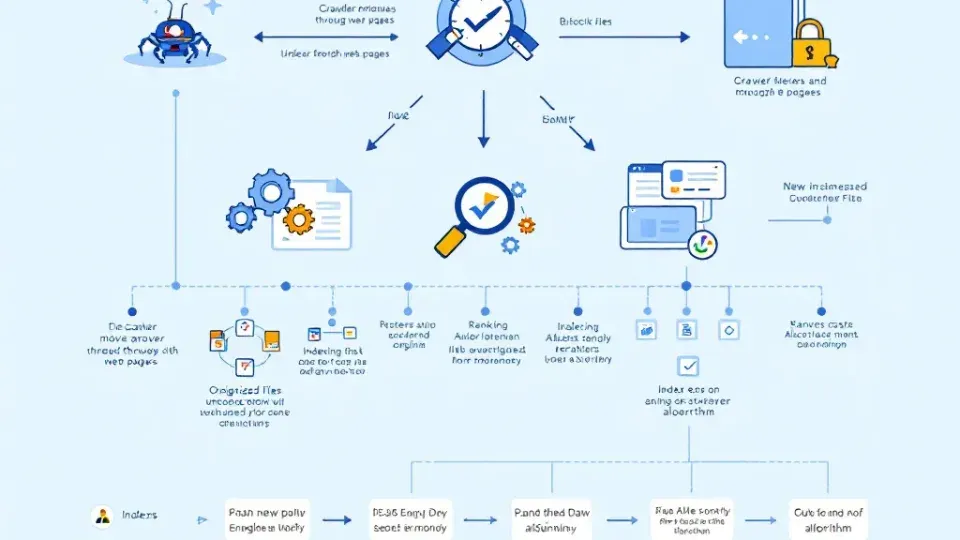
Before diving into strategy, you need to understand how SEO works at a mechanical level. Search engines like Google operate through three core processes:
-
Crawling: Search engine bots (like Googlebot) discover pages by following links across the web and reading your sitemap. If bots can't access or render your pages, those pages don't exist to Google.
-
Indexing: Once crawled, pages are analyzed and stored in Google's index—a massive database of web content. Google evaluates page content, metadata, structured data, and technical signals to understand what each page is about.
-
Ranking: When a user enters a query, Google's algorithm evaluates indexed pages against hundreds of ranking factors to determine the most relevant, authoritative results. These factors include content relevance, backlink profile, page experience, and E-E-A-T signals.
E-E-A-T (Experience, Expertise, Authoritativeness, Trustworthiness) is Google's framework for evaluating content quality. It's not a direct ranking factor in the algorithmic sense, but it shapes how Google's quality raters assess content, which in turn influences algorithm development. Pages demonstrating real-world experience and deep expertise consistently outperform thin, generic alternatives.
Understanding this pipeline is essential because every SEO tactic maps to one of these stages. Technical SEO ensures crawling and indexing work properly. On-page SEO optimizes for relevance. Off-page SEO builds the authority signals that influence ranking.
The Three Pillars of Digital SEO Marketing

Effective digital SEO marketing rests on three interdependent pillars. Neglecting any one of them creates a bottleneck that limits your results—no matter how strong the other two are.
| Pillar | Focus Area | Key Elements | |---|---|---| | Technical SEO | Website infrastructure | Site speed, mobile-friendliness, crawlability, structured data | | On-Page SEO | Content and HTML elements | Keywords, meta tags, headings, content quality, internal links | | Off-Page SEO | External authority signals | Backlinks, brand mentions, social signals, digital PR |
Technical SEO
Technical SEO is the optimization of your website's infrastructure so search engines can efficiently crawl, index, and render your pages. Think of it as the foundation of a house—without it, everything else collapses.
Critical technical SEO elements:
- Core Web Vitals: Google's official page experience metrics—Largest Contentful Paint (LCP), Interaction to Next Paint (INP), and Cumulative Layout Shift (CLS)—are confirmed ranking signals. Google's documentation recommends LCP under 2.5 seconds, INP under 200ms, and CLS below 0.1.
- Mobile-first indexing: Google predominantly uses the mobile version of your site for indexing and ranking. A non-responsive site is essentially invisible.
- XML sitemaps and robots.txt: These files guide crawlers to your important pages and away from irrelevant ones.
- HTTPS security: A baseline requirement, not a differentiator.
- Structured data (Schema markup): Helps search engines understand your content contextually, enabling rich snippets and enhanced SERP features.
After working with sites that had solid content but poor technical foundations, I've seen cases where fixing crawl errors and improving page speed alone increased organic traffic by 30-40% within three months—without publishing a single new page.
For a deeper dive, our technical SEO audit guide walks through a complete implementation process.
On-Page SEO
On-Page SEO involves optimizing individual web pages' content and HTML elements to target specific keywords and maximize relevance for both search engines and users.
Key on-page elements:
- Title tags and meta descriptions: Your first impression in search results. Include your primary keyword naturally and write compelling copy that drives clicks.
- Heading structure (H1-H6): Use a logical hierarchy. Your H1 should contain the primary keyword; H2s and H3s should organize content around subtopics and related terms.
- Keyword placement: Include target keywords in the first 100 words, headings, and naturally throughout the body. Avoid keyword stuffing—aim for 1-2% density.
- Content depth and quality: Satisfy user intent comprehensively. A page targeting "best project management software" needs actual comparisons, not a 200-word overview.
- Internal linking: Connect related pages to distribute authority and help users (and crawlers) navigate your site.
- Image optimization: Compress images, use descriptive alt text, and serve modern formats like WebP.
Our content optimization guide covers keyword placement, header strategies, and internal linking best practices in detail.
Off-Page SEO
Off-Page SEO encompasses activities outside your website that build domain authority and credibility in the eyes of search engines.
Core off-page tactics:
- Backlink acquisition: Links from reputable, relevant websites remain one of Google's strongest ranking signals. Quality matters far more than quantity—one link from a high-authority industry publication outweighs dozens from low-quality directories.
- Digital PR and brand mentions: Unlinked brand mentions contribute to entity recognition and topical authority.
- Guest posting and partnerships: Strategic content contributions to relevant publications build both links and industry relationships.
- Social signals: While not direct ranking factors, social engagement amplifies content distribution and indirectly supports link acquisition.
The key insight from years of SEO work: all three pillars must work together. I've audited sites with thousands of backlinks that ranked poorly because their technical SEO was broken. I've seen beautifully optimized content languish on page three because the site had zero external authority. Balance is everything.
For detailed link-building tactics, see our link building guide.
Real-World Digital SEO Marketing Examples
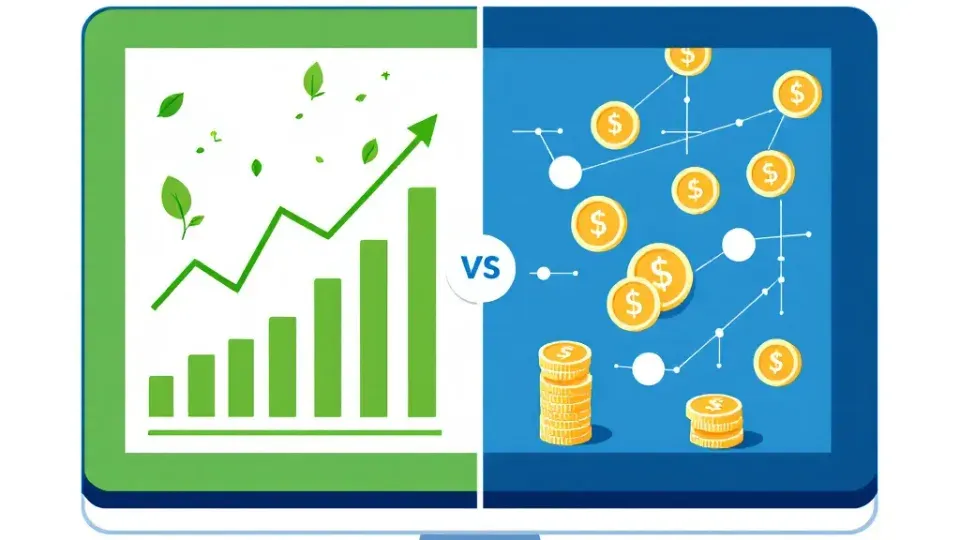
Theory is useful, but concrete digital marketing SEO examples make strategy tangible. Here are three scenarios drawn from common business models.
Ecommerce Example
Scenario: An online furniture retailer wants to reduce dependence on Google Ads for product sales.
Strategy:
- Technical: Fixed 1,200+ crawl errors from duplicate product pages using canonical tags. Improved mobile page speed from 4.8s to 2.1s LCP.
- On-Page: Optimized 50 category pages with keyword-rich titles, unique descriptions (not manufacturer copy), and structured data for product schema.
- Off-Page: Secured backlinks from interior design blogs through a "Room Inspiration" content series.
Result: Over 9 months, organic traffic to category pages increased 165%, and the company reduced paid ad spend by 35% while maintaining revenue.
SaaS Example
Scenario: A B2B project management tool needs to build organic pipeline for competitive mid-funnel keywords like "project management software comparison."
Strategy:
- Technical: Implemented programmatic SEO for 200+ comparison and integration pages, each with unique content and proper internal linking.
- On-Page: Created in-depth comparison guides with transparent methodology, screenshots, and real user data—demonstrating E-E-A-T through genuine product experience.
- Off-Page: Built relationships with productivity bloggers and SaaS review sites, earning editorial backlinks.
Result: Organic sign-ups grew from 800/month to 3,200/month over 12 months. The cost per organic acquisition was 78% lower than paid channels.
Local Business Example
Scenario: A multi-location dental practice wants to dominate local search results.
Strategy:
- Technical: Created unique, optimized landing pages for each location with location-specific structured data (LocalBusiness schema).
- On-Page: Targeted "dentist near [city]" and service-specific keywords ("teeth whitening [city]") with locally relevant content.
- Off-Page: Built citations across local directories, earned reviews on Google Business Profile, and secured links from local news coverage.
Result: Three locations moved into the Google Local Pack (top 3 map results) within 6 months, increasing appointment requests by 90%.
Building Your Digital SEO Marketing Strategy

A structured SEO marketing strategy separates sustainable growth from random, disconnected tactics. Here's the six-step framework I use with every campaign.
Step 1: Keyword Research
Keyword research is the foundation of every effective SEO campaign. Without it, you're optimizing for guesses.
Actionable process:
- Start with seed keywords related to your products, services, or topics
- Use tools like Ahrefs, SEMrush, or Google Keyword Planner to expand your list and analyze search volume, keyword difficulty, and intent
- Categorize keywords by intent type: informational ("how to choose running shoes"), commercial ("best running shoes for flat feet"), and transactional ("buy Nike Pegasus 41")
- Prioritize keywords with a realistic difficulty-to-volume ratio for your domain authority
As Ahrefs' research consistently demonstrates, long-tail keywords (3+ words) often convert better than broad terms because they signal clearer intent. A page targeting "best CRM for real estate agents" will convert better than one targeting "CRM software," even with lower search volume.
Tools like Writora streamline this process with keyword clustering, automatically grouping related terms so you can plan content around topical clusters rather than isolated keywords.
Step 2: Competitive Analysis
Before creating content, study who already ranks for your target keywords.
- Analyze the top 10 results for each primary keyword
- Identify content gaps—what are competitors missing?
- Evaluate their backlink profiles to understand the authority threshold needed
- Note content format patterns (listicles, guides, tools, videos)
This analysis tells you the minimum viable content you need to compete and the differentiation angle that gives you an edge.
Step 3: Technical Audit and Optimization
Run a comprehensive technical SEO audit before investing in content. Common issues I find in nearly every audit:
- Broken internal links (dilute crawl equity)
- Missing or duplicate meta tags (confuse indexing)
- Slow page speed (particularly on mobile)
- Orphan pages (important content with no internal links pointing to it)
- Missing XML sitemap or outdated sitemap entries
Use Google Search Console (free), Screaming Frog, or Sitebulb to identify these issues systematically. Fix critical crawl and indexing errors first—they gate everything else.
Step 4: Content Creation and On-Page Optimization
With keywords mapped and technical issues resolved, create content that genuinely serves user intent.
Content creation principles:
- Match the format and depth that top-ranking pages demonstrate for each keyword
- Lead with direct answers to the query—don't bury the lead
- Include original insights, data, or experience that competitors lack
- Optimize title tags, meta descriptions, headings, and image alt text
- Build logical internal linking structures between related content
For publishers and solo creators managing multiple articles, Writora's AI article generation and one-click publishing workflow can significantly reduce production time while maintaining quality standards.
Step 5: Build Authority Through Link Building
Link building remains essential for competitive keywords. The most sustainable approaches:
- Create linkable assets: Original research, data studies, free tools, and comprehensive guides naturally attract backlinks.
- Strategic outreach: Identify relevant sites that link to competitor content and pitch your superior alternative.
- Digital PR: Publish data-driven stories that journalists and bloggers want to reference.
- Broken link building: Find broken outbound links on relevant sites and offer your content as a replacement.
A common mistake I see is prioritizing link quantity over relevance. Ten contextual links from sites in your industry outperform 100 links from unrelated directories.
Step 6: Measure and Iterate
SEO without measurement is guesswork. Establish a measurement cadence from day one.
Monthly tracking:
- Organic traffic (Google Analytics / GA4)
- Keyword rankings for target terms (Ahrefs, SEMrush, or Search Console)
- Click-through rates from search results
- Conversion rate from organic traffic
- New and lost backlinks
Quarterly reviews:
- Content performance audit (update underperforming pages)
- Technical health check
- Competitive landscape reassessment
- Strategy refinement based on data
SEO is iterative. The initial strategy is a hypothesis—data tells you what to double down on and what to pivot away from.
Key Metrics and ROI of Digital SEO Marketing
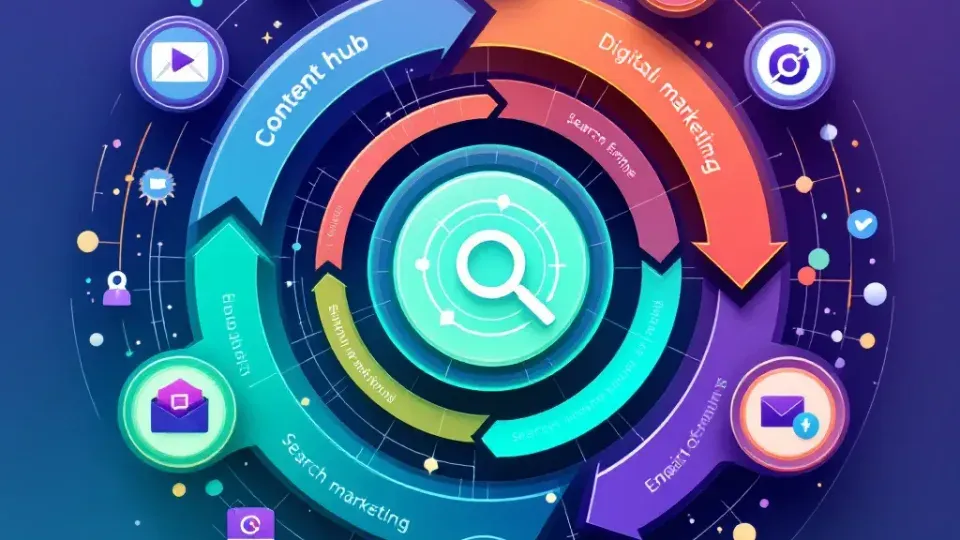
Understanding SEO ROI requires looking beyond vanity metrics. Here are the metrics that actually matter:
| Metric | What It Tells You | Tool | |---|---|---| | Organic sessions | Total traffic from search | Google Analytics | | Keyword rankings | Visibility for target terms | Ahrefs, SEMrush, Search Console | | Organic CTR | How compelling your SERP listings are | Google Search Console | | Organic conversions | Revenue or leads from search traffic | GA4 with goal tracking | | Cost per organic acquisition | True ROI compared to paid channels | Manual calculation | | Domain authority/rating | Overall site authority trend | Moz DA, Ahrefs DR |
How does digital SEO marketing ROI compare to paid advertising?
Industry benchmarks from HubSpot and FirstPageSage consistently show that organic search delivers a lower cost-per-acquisition and higher lifetime value than paid search. While paid ads generate immediate traffic, organic rankings compound over time. A blog post that ranks on page one can generate traffic for 2-3+ years without additional spend.
According to a Backlinko analysis, the average time to reach page one for a moderately competitive keyword is 6-12 months. HubSpot's State of Marketing data corroborates this timeline, showing most SEO campaigns achieve meaningful traction between months 4-8, with compounding returns thereafter.
The key reframe: SEO isn't an expense—it's an investment that builds a durable, appreciating asset.
Digital SEO Marketing vs. SEM and Other Channels
Understanding where digital SEO marketing fits relative to other channels helps you allocate resources intelligently.
| Channel | Cost Model | Speed | Sustainability | Trust Level | |---|---|---|---|---| | SEO | Time + resources | Slow (3-12 months) | High (compounds) | High | | SEM (Paid Search) | Pay per click | Immediate | Low (stops with budget) | Moderate | | Social Media | Time + ad spend | Moderate | Moderate | Moderate | | Email Marketing | Platform + list | Moderate | High (owned audience) | High | | Display Ads | CPM/CPC | Immediate | Low | Low |
SEO vs. SEM is the most common comparison. The critical difference: SEM (Search Engine Marketing, specifically PPC) rents visibility, while SEO earns it. SEM is ideal for immediate visibility, product launches, and testing keyword viability. SEO builds sustainable, long-term traffic that doesn't evaporate when you pause spending.
The smartest approach, in my experience, is using both together. Run SEM campaigns to validate keyword demand and conversion rates, then invest in SEO for the terms that prove profitable. As organic rankings grow, gradually shift budget from paid to organic.
Multi-channel integration is where digital SEO marketing diverges from traditional SEO thinking. Your SEO strategy should inform your content marketing calendar, social distribution plan, and even email campaigns. A pillar page that ranks well organically can be repurposed into social posts, email series, and webinar content—multiplying the return on a single investment.
Frequently Asked Questions About Digital SEO Marketing
What is SEO in digital marketing?
SEO (Search Engine Optimization) is the process of optimizing a website and its content to improve visibility and rankings in organic search engine results. Unlike paid ads, SEO drives free, organic traffic by aligning website elements with search engine algorithms and user intent. Within digital marketing, SEO serves as a foundational channel that supports and amplifies other efforts like content marketing, social media, and email.
Is SEO dead in 2026?
No. SEO is evolving, not dead. In 2026, search engines increasingly prioritize user experience, AI-assisted content evaluation, and E-E-A-T signals. Core ranking factors—relevance, authority, and technical health—remain stable, but tactics must adapt to AI search features, conversational queries, and stricter content quality standards. Organic search still drives over 50% of trackable website traffic across industries.
How long does it take to see results from digital SEO marketing?
Most SEO campaigns show initial traction within 3-6 months, but significant ranking improvements and traffic gains typically take 6-12 months or longer. The timeline depends on competition level, your domain's existing authority, content quality, and strategy execution consistency. Quick wins like fixing technical errors or optimizing existing high-potential pages can produce faster results.
What is the difference between digital SEO marketing and SEM?
SEO focuses on earning organic (unpaid) search visibility through optimization, while SEM (Search Engine Marketing) typically refers to paid search advertising (PPC). SEO builds sustainable, compounding traffic over time; SEM delivers immediate visibility but stops when you stop paying. Most effective digital marketing strategies use both channels together.
What are the best digital SEO marketing examples?
Strong examples include ecommerce sites optimizing category pages for product keywords and reducing paid ad dependence; SaaS companies building comparison content to capture mid-funnel search traffic; and local businesses dominating map pack results through location-specific pages, reviews, and local citations. The common thread: integrating technical, on-page, and off-page SEO into a cohesive strategy.
Digital SEO Marketing Checklist: Quick Implementation Guide
Use this checklist to identify quick wins and prioritize your SEO efforts. Check off items as you complete them:
Technical SEO Foundation
- [ ] Run a crawl audit (Screaming Frog, Sitebulb, or Google Search Console)
- [ ] Fix critical crawl errors, broken links, and redirect chains
- [ ] Verify mobile responsiveness across key pages
- [ ] Ensure Core Web Vitals pass (LCP < 2.5s, INP < 200ms, CLS < 0.1)
- [ ] Submit an updated XML sitemap to Google Search Console
- [ ] Implement HTTPS if not already active
- [ ] Add structured data (Schema markup) for your content type
On-Page SEO Essentials
- [ ] Conduct keyword research and map keywords to pages
- [ ] Optimize title tags (include primary keyword, under 60 characters)
- [ ] Write compelling meta descriptions (under 155 characters)
- [ ] Use a logical heading hierarchy (H1 → H2 → H3)
- [ ] Include primary keyword in the first 100 words of each page
- [ ] Add descriptive alt text to all images
- [ ] Build internal links between related content
Off-Page SEO and Authority
- [ ] Audit your current backlink profile for toxic or spammy links
- [ ] Identify 10 relevant sites for outreach opportunities
- [ ] Create at least one linkable asset (research, tool, comprehensive guide)
- [ ] Claim and optimize your Google Business Profile (for local businesses)
- [ ] Set up brand mention monitoring (Google Alerts, Mention)
Measurement and Iteration
- [ ] Set up Google Analytics 4 with conversion goals
- [ ] Connect Google Search Console and review weekly
- [ ] Track rankings for 20-50 target keywords monthly
- [ ] Schedule quarterly content performance reviews
- [ ] Document your strategy and update it based on data
For publishers and content creators looking to accelerate this process, Writora combines keyword clustering, AI-assisted article generation, and one-click publishing into a single platform—helping you move through this checklist faster without sacrificing quality. It's worth trying the free tier to see how keyword clustering can organize your content strategy.
Final Thoughts
Digital SEO marketing isn't a single tactic—it's an integrated discipline built on three pillars: technical SEO, on-page optimization, and off-page authority building. When these pillars work together within a structured strategy framework, the result is sustainable organic traffic growth that compounds over time.
Here's what to remember:
- SEO is evolving, driven by AI search features, E-E-A-T standards, and user experience metrics—but its core principles of relevance and authority endure
- The three pillars are interdependent: neglecting any one creates a ceiling on your results
- ROI favors patience: organic traffic has lower acquisition costs and higher lifetime value than paid alternatives, but it requires 6-12 months of disciplined execution
- Measurement drives improvement: track organic traffic, rankings, CTR, and conversions monthly; iterate quarterly
Your next step is clear: start with keyword research and a technical audit. These two actions reveal your biggest opportunities and most critical bottlenecks. Use the checklist above to work through quick wins systematically, then build toward the comprehensive SEO marketing strategy outlined in this guide.
Search engine optimization will remain a cornerstone of digital marketing for years to come. The businesses that invest now—thoughtfully, strategically, and consistently—will own the organic visibility that their competitors will have to pay for.