Fastest SEO: 5 Proven Tactics to Get Results in Weeks, Not Months
You won't rank overnight, but you can see SEO results in 4–8 weeks if you focus on the right tactics. That's not a marketing promise—it's a realistic tim...

You won't rank overnight, but you can see SEO results in 4–8 weeks if you focus on the right tactics. That's not a marketing promise—it's a realistic timeline backed by years of experience running campaigns for sites ranging from fresh domains to established publishers.
The fastest SEO results come from a dual approach. First, you execute quick wins—on-page optimizations, technical fixes, and structured data implementations that deliver measurable movement in days to weeks. Second, you build a publishing engine that compounds those gains over months. One without the other leaves results on the table.
This guide breaks down the five proven tactics that generate fast SEO results, explains why publishing velocity is the most underrated ranking accelerator, and gives you a concrete checklist you can start executing today. Whether you're a solo publisher, a small business owner, or a marketing lead trying to justify SEO investment to your team, you'll walk away with a clear action plan.
If you're new to search engine optimization, I'd recommend starting with our SEO for beginners guide first, then coming back here for the speed playbook.
What Does 'Fast' Mean in SEO? Setting Realistic Expectations
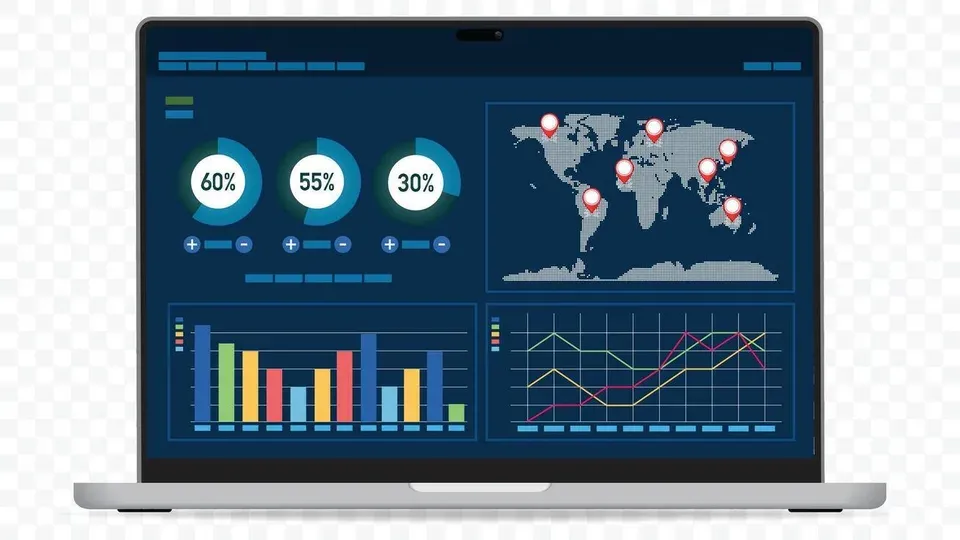
The fastest SEO tactic is optimizing existing content and fixing on-page elements (title tags, meta descriptions, structured data). These changes can deliver measurable ranking improvements in 1–4 weeks. Long-term velocity comes from consistent, strategic publishing paired with quality content distribution.
But "fast" means different things depending on your starting point, your competition, and the type of keywords you're targeting. Let's calibrate expectations before diving into tactics.
SEO Timelines: How Long Does It Really Take?
Google's own documentation and multiple industry studies point to a general framework:
| Tactic Type | Expected Timeline | Conditions | |---|---|---| | On-page fixes (titles, metas, internal links) | 1–4 weeks | Existing indexed pages with some authority | | Technical fixes (speed, mobile, crawl errors) | 2–6 weeks | Depends on severity and crawl frequency | | New content for long-tail keywords | 2–8 weeks | Low-competition terms, proper optimization | | Publishing velocity (sustained content output) | 3–6 months | Consistent weekly or bi-weekly publishing | | Competitive head terms | 6–12+ months | High domain authority, strong backlink profile required |
An Ahrefs study analyzing 2 million random keywords found that the average age of a page ranking in position 1 was over two years. But that's an average across all difficulty levels. For low-competition long-tail keywords, new pages can rank in the top 10 within weeks—especially on domains with existing authority.
The key insight most guides miss: SEO delays aren't arbitrary. They're driven by Google's crawl cadence, indexing pipeline, and the time it takes for their algorithms to gather enough interaction signals to confidently rank a page. Understanding this helps you focus on what you can control.
Why Quick Wins Matter Alongside Long-Term Strategy
A common mistake I see is treating quick wins and long-term strategy as separate tracks. They're not—they're the same track at different speeds.
Quick wins (also called SEO quick wins) serve three critical purposes:
- They build internal momentum. Showing a 15-position jump in week two keeps stakeholders invested in the long game.
- They generate compounding data. Every ranking improvement gives you more search console data to refine your strategy.
- They create a foundation for velocity. Optimized existing pages improve your site's overall topical authority, making new content rank faster.
Think of quick wins as the ignition and publishing velocity as the fuel. You need both.
5 Fastest SEO Tactics You Can Implement This Week
Quick SEO wins include: optimizing title tags and meta descriptions, adding schema markup, fixing site speed issues, targeting long-tail keywords, updating existing content, and improving internal linking. These deliver measurable ranking improvements in days to weeks.
Let's break down each tactic with specific implementation steps.
1. Optimize Title Tags and Meta Descriptions
This is the single fastest on-page change you can make, often showing results within one to two weeks for pages that are already indexed.
Why it works so fast: Google recrawls and re-evaluates title tags relatively quickly. A more relevant, keyword-aligned title directly impacts how Google understands your page's topic match—and a more compelling title improves click-through rate (CTR), which feeds positive engagement signals.
How to implement it today:
- Open Google Search Console and navigate to the Performance report.
- Filter by pages, then sort by impressions (high to low).
- Identify pages with high impressions but low CTR (below 2–3% for their position range).
- Rewrite title tags to include the primary keyword closer to the front, add a benefit or number, and keep it under 60 characters.
- Write meta descriptions that include a clear value proposition and a call to action. Keep them under 155 characters.
Example: Changing a title from "Our Guide to Website Speed" to "Fix Slow Website Speed: 7 Changes That Work in Under an Hour" typically drives both higher CTR and better keyword matching.
In my experience, title tag optimization on pages ranking in positions 5–15 produces the most dramatic jumps. These pages already have enough authority to rank—they just need clearer relevance signals.
2. Add Structured Data Markup (Schema) for Rich Results
Structured data (also called schema markup) is machine-readable code—typically in JSON-LD format—that tells search engines what your content means. Common types include FAQPage, HowTo, Product, and Organization schema. When implemented correctly, it enables rich snippets in search results: star ratings, FAQ dropdowns, how-to steps, and more.
Why it accelerates results: According to Google Search Central's documentation on structured data, structured data helps Google understand and display your content more effectively. While Google states that structured data isn't a direct ranking factor, the enhanced SERP presentation drives significantly higher CTR—and CTR improvements correlate with ranking improvements over time.
Priority schema types to implement first:
- FAQPage schema on any page with a FAQ section (including this one)
- HowTo schema on tutorial and guide content
- LocalBusiness schema on your homepage and location pages
- Article schema on blog posts with author, datePublished, and dateModified
For a deeper walkthrough on implementation, check out our structured data and schema guide.
Pro tip: Use Google's Rich Results Test tool to validate your markup before deploying. Errors in schema won't just prevent rich snippets—they can confuse Google's understanding of your page.
3. Target Low-Competition Long-Tail Keywords
Long-tail keywords are search phrases with three or more words, typically lower search volume and significantly lower competition. For example, "fastest way to rank a new blog post" is far easier to rank for than "SEO."
This is how you rank faster for real queries real people are searching.
Why long-tail keywords rank faster:
- Fewer competing pages means less authority required to reach the top 10
- Long-tail queries often have higher commercial or informational intent, driving more qualified traffic
- Google can match your content more precisely to specific queries, reducing ambiguity
How to find them quickly:
- Use Google's "People Also Ask" boxes and autocomplete suggestions as starting points
- Run your seed keyword through a tool that surfaces keyword clusters with difficulty scores (platforms like Writora automate keyword clustering, grouping related long-tail terms so you can target multiple queries with a single piece of content)
- Filter for keywords with difficulty scores under 30 (on a 0–100 scale) and monthly search volume between 50–500
- Prioritize terms where you already have some topical authority
For a complete walkthrough on finding these opportunities, see our long-tail keyword research guide.
After working with dozens of publishers, I've found that targeting 5–10 long-tail keywords per content piece—rather than a single head term—produces faster cumulative traffic gains.
4. Fix Critical Technical SEO Issues
On-page optimizations, structured data, internal linking improvements, and site speed fixes show the fastest results—typically within 1–4 weeks. Technical fixes remove barriers that prevent Google from crawling, indexing, and ranking your existing content.
The highest-impact technical fixes, ranked by speed of results:
-
Fix crawl errors. Check Google Search Console's Pages report for "Not indexed" errors. Pages blocked by robots.txt, returning 404s, or stuck in "Discovered – currently not indexed" are invisible to searchers.
-
Improve page speed. Google's Core Web Vitals (LCP, INP, CLS) directly influence ranking. Use PageSpeed Insights to identify the biggest bottlenecks. Common quick fixes:
- Compress and convert images to WebP format
- Enable browser caching
- Remove render-blocking JavaScript
- Implement lazy loading for below-the-fold images
-
Ensure mobile usability. Over 60% of searches happen on mobile. Pages with mobile rendering issues lose rankings. Test with Google's Mobile-Friendly Test.
-
Fix internal linking gaps. Orphan pages (pages with no internal links pointing to them) struggle to get crawled and ranked. Use a tool like Screaming Frog to identify them, then add contextual internal links from related content.
-
Implement HTTPS if you haven't. This is table stakes in 2026, but I still encounter sites running on HTTP. Google confirmed HTTPS as a ranking signal years ago.
Our technical SEO checklist covers each of these in detail with step-by-step instructions.
5. Update and Republish Existing High-Performing Content
This is arguably the most overlooked tactic for achieving quick SEO wins, and in my experience, it delivers some of the most dramatic ranking improvements.
Why it works: Google favors fresh, comprehensive content. Pages that were once ranking but have decayed (a phenomenon called "content decay") can often be revived by updating statistics, adding new sections, improving formatting, and republishing with a current date.
The content refresh process:
- In Google Search Console, identify pages that have lost significant traffic over the past 6–12 months
- Compare your content against the current top-ranking pages for the same query
- Add missing subtopics, update outdated statistics, and improve readability
- Strengthen internal links to and from the page
- Update the published date to reflect the refresh
- Request reindexing in Search Console
HubSpot has publicly shared that their historical content optimization program—updating and republishing old blog posts—doubled the number of leads generated by those posts and increased organic traffic to updated posts by an average of 106%. This isn't a one-off result; multiple content marketing teams have reported similar outcomes when systematically refreshing decayed content.
A common mistake I see: People update a single sentence and republish with a new date. Google's algorithms are sophisticated enough to detect superficial updates. You need meaningful additions—new data, new sections, improved depth—to trigger a genuine re-evaluation.
Publishing Velocity: The #1 Lever for Fastest SEO Results

Publishing velocity refers to the frequency and consistency at which a website publishes new, optimized content. High publishing velocity—such as weekly or bi-weekly posts—signals site activity to search engines and accelerates ranking growth. It's the single most important factor separating sites that see fast results from those that stagnate.
This is the lever that turns quick wins into sustainable growth.
How does publishing velocity affect SEO ranking speed? Publishing new, optimized content consistently signals to Google that your site is active and authoritative. Sites publishing high-quality content weekly or bi-weekly see faster ranking growth than sporadic publishers, especially when paired with strategic distribution.
Research from Orbit Media's annual blogging survey consistently shows that bloggers who publish more frequently report "strong results" at significantly higher rates than those who publish monthly or less. And data from content platforms like HubSpot and Animalz suggests that sites increasing publishing frequency from monthly to weekly see measurable traffic inflection points within 3–6 months.
Important nuance: Velocity without quality is spam. Publishing velocity is a strategic investment, not a volume game. Each piece needs to be well-researched, properly optimized, and genuinely useful. The goal is to build topical authority across a content cluster, not to flood Google with thin pages.
How Content Distribution Accelerates Rankings
Publishing is only half the equation. Content distribution is the strategy of promoting and amplifying published content through multiple channels—email, social media, backlinks, syndication—to increase visibility, indexing speed, and ranking velocity.
Why distribution matters for speed:
- Faster indexing. Pages that receive external signals (links, social shares, traffic) get crawled and indexed faster than orphan pages sitting quietly on your site.
- Early engagement signals. Traffic from distribution gives Google early CTR and engagement data, which can influence initial ranking positions.
- Backlink acceleration. Content shared in the right communities naturally attracts backlinks, the strongest off-page ranking signal.
Effective distribution channels for SEO:
- Email newsletters to your existing audience (drives immediate traffic and engagement)
- Social media with platform-specific formatting (LinkedIn articles, Twitter threads, etc.)
- Industry communities (Reddit, niche forums, Slack groups—contribute genuinely, don't spam)
- Content syndication to platforms like Medium or LinkedIn with canonical tags pointing back to your original
- Outreach to sites that linked to similar content in the past
Our content distribution strategy guide breaks down each channel with templates and workflows.
Real-World Examples of Fast Results Through Publishing Strategy
Here are patterns I've observed across multiple campaigns:
Case pattern 1: The content sprint. A B2B SaaS blog with moderate domain authority (DR 45) published 12 optimized articles over 6 weeks, each targeting long-tail keywords within a single topic cluster. Within 8 weeks of the first publish date, 9 of 12 articles ranked in the top 20, and 4 reached the top 5 for their primary keywords. The cluster approach built topical authority faster than isolated posts would have.
Case pattern 2: The refresh + publish combo. An e-commerce site updated 20 existing blog posts (refreshed content, improved schema, added internal links) while simultaneously publishing 4 new articles per month. Organic traffic increased 34% within 90 days—a result that neither tactic alone would have achieved at that speed.
Case pattern 3: The distribution multiplier. A niche publisher created a data-driven study and distributed it through email outreach to 50 relevant sites. The piece earned 18 backlinks within two weeks and ranked on page 1 for a moderately competitive keyword within 21 days. Without distribution, the same content would have taken months to accumulate those signals.
These examples illustrate a consistent principle: the fastest path to SEO results combines on-page optimization, publishing velocity, and strategic distribution. Any one tactic works; all three together compress timelines dramatically.
Tools like Writora can help you maintain publishing velocity by clustering keywords, generating optimized drafts, and publishing directly—reducing the time from keyword research to live content from days to hours.
Local SEO Speed: Get Faster Map and Local Pack Visibility
Local SEO operates on different—and often faster—timelines than organic SEO. Many local ranking changes can take effect within 2–6 weeks, making it one of the fastest paths to visibility for brick-and-mortar businesses.
What SEO changes show results fastest for local businesses?
-
Claim and fully optimize your Google Business Profile (GBP). Complete every field: business name, category, hours, services, description with keywords, photos, and attributes. Incomplete profiles rank lower in the Map Pack.
-
Generate and respond to reviews. Review velocity and recency are significant local ranking factors. Ask satisfied customers for reviews immediately after service—even 5–10 new reviews over a few weeks can shift Map rankings.
-
Build local citations. Ensure your Name, Address, and Phone (NAP) are consistent across major directories: Yelp, Apple Maps, Bing Places, and industry-specific directories. Inconsistent NAP data confuses Google and suppresses rankings.
-
Create locally optimized landing pages. If you serve multiple areas, create individual pages for each with unique content, local keywords, embedded maps, and location-specific testimonials.
-
Add LocalBusiness schema to your website. This reinforces your location data for Google's Knowledge Graph.
For a comprehensive approach, see our local SEO strategies guide.
Reports from local SEO practitioners on forums and industry discussions consistently confirm that GBP optimization and review generation produce visible Map Pack improvements within 2–4 weeks for businesses in moderately competitive markets. Highly competitive urban markets may take longer, but the fundamentals remain the same.
SEO Quick Wins Checklist: Your Action Plan

Here's the actionable checklist you can start working through today. I've organized it by time investment so you can prioritize based on available resources.
Can Be Done in 1–2 Hours
- [ ] Audit your top 10 pages in Search Console for CTR below 3%
- [ ] Rewrite title tags for those pages with primary keywords front-loaded
- [ ] Update meta descriptions with clear value propositions and calls to action
- [ ] Check for and fix any crawl errors in Search Console's Pages report
- [ ] Submit updated pages for reindexing via the URL Inspection tool
- [ ] Verify your Google Business Profile is 100% complete (if applicable)
Can Be Done in a Day
- [ ] Add FAQPage schema to your top 5 content pages
- [ ] Add Article schema (author, datePublished, dateModified) to all blog posts
- [ ] Run PageSpeed Insights on your top 10 pages; fix any "red" Core Web Vitals issues
- [ ] Identify 3–5 orphan pages and add internal links from related content
- [ ] Compress all images above 200KB and convert to WebP format
- [ ] Identify 5 long-tail keywords with difficulty under 30 for your next content pieces
Can Be Done This Week
- [ ] Refresh your top 3 decayed content pages (update stats, add sections, republish)
- [ ] Plan and outline 4 new articles targeting long-tail keyword clusters
- [ ] Set up a content distribution workflow for every new publish (email, social, outreach)
- [ ] Build or review your internal linking strategy—ensure every page has at least 3 internal links
- [ ] Audit mobile usability and fix any rendering issues
- [ ] Create or update LocalBusiness schema if you serve a geographic area
Ongoing (Weekly)
- [ ] Publish 1–2 new optimized articles per week
- [ ] Distribute each new article through at least 3 channels
- [ ] Monitor Search Console for new indexing issues
- [ ] Track keyword position changes for recently optimized pages
- [ ] Respond to all new Google Business Profile reviews within 24 hours
Fastest SEO: Frequently Asked Questions

Can you get SEO results in 30 days?
Yes, for low-competition long-tail keywords and local searches. New websites can rank for niche terms in 2–4 weeks if optimized properly. Existing sites with some domain authority can see even faster movement from on-page optimizations and content refreshes.
However, competitive keywords typically require 3–12 months of sustained effort. If someone promises you page 1 rankings for a high-competition term in 30 days, that's a red flag—not a realistic timeline.
The most reliable 30-day results come from optimizing title tags, fixing technical issues, and targeting keywords where you already rank in positions 8–20.
What's the fastest way to rank for a keyword?
The fastest path combines three elements:
- Choose a low-competition keyword where your domain has some existing relevance
- Create comprehensive, well-optimized content that directly answers the searcher's intent
- Distribute it actively through email, social, and outreach to generate early signals
For existing pages, updating and republishing high-potential content with improved optimization is often faster than creating something new from scratch.
How do you get fast SEO results for a new website?
New websites face the "sandbox" challenge—Google tends to be cautious about ranking brand-new domains. To accelerate results:
- Target exclusively long-tail keywords for your first 20–30 articles
- Build topical clusters rather than scattered topics, establishing authority in a niche quickly
- Invest in content distribution from day one; don't wait for organic traffic to find you
- Get indexed quickly by submitting your sitemap to Search Console and building a few initial backlinks
- Ensure flawless technical foundations—fast loading, mobile-friendly, clean crawl structure
Realistically, new sites should expect their first meaningful organic traffic within 8–12 weeks with consistent effort.
Is publishing velocity more important than content quality?
No. Quality is the floor; velocity is the accelerator. Publishing low-quality content at high volume will hurt you—Google's helpful content signals penalize sites with large amounts of thin or unhelpful content.
The ideal approach is publishing the highest quality you can sustain at the fastest pace you can maintain. For most teams, that means 1–2 thoroughly researched, well-optimized articles per week rather than 5 rushed posts.
What are the quickest SEO wins for local business rankings?
For local businesses, the fastest wins are:
- Completing your Google Business Profile to 100% (often shows Map Pack improvement within 1–2 weeks)
- Generating 5–10 new reviews with responses
- Fixing NAP inconsistencies across directories
- Adding LocalBusiness schema to your website
- Creating location-specific landing pages with unique, relevant content
These changes can produce visible Map Pack ranking improvements within 2–6 weeks in moderately competitive markets.
Conclusion: Balance Speed With Sustainable Growth

The fastest SEO is not about shortcuts, black-hat tactics, or gaming algorithms. It's about strategic prioritization: knowing which changes deliver quick results, executing them efficiently, and building a publishing system that compounds those gains over months.
Here's the core framework:
- Weeks 1–2: Execute on-page quick wins (titles, metas, schema, technical fixes). These generate early momentum and measurable data.
- Weeks 2–4: Refresh your highest-potential existing content. Target long-tail keywords with new content.
- Weeks 4–12: Establish consistent publishing velocity. Distribute every piece through multiple channels. Monitor, measure, and iterate.
Quick wins build momentum. Publishing velocity sustains growth. Distribution amplifies everything.
Start with the checklist in this guide—today, not next week. Pick the 3–5 items you can complete in the next two hours and do them. Then set up a content calendar for the next 90 days.
If you want to accelerate the process further, tools like Writora can handle keyword clustering, content generation, and one-click publishing—reducing the friction between strategy and execution. It's worth a free trial if publishing velocity is your bottleneck.
The sites that win in SEO aren't the ones that find a secret hack. They're the ones that start today and show up consistently. Your competitive advantage is execution speed—so start now.