Pizzeria SEO: Complete Guide to Optimizing Your Pizza Restaurant for Search
Over 90% of diners search online before choosing a restaurant , and pizza is consistently one of the most searched food categories on Google. That means...
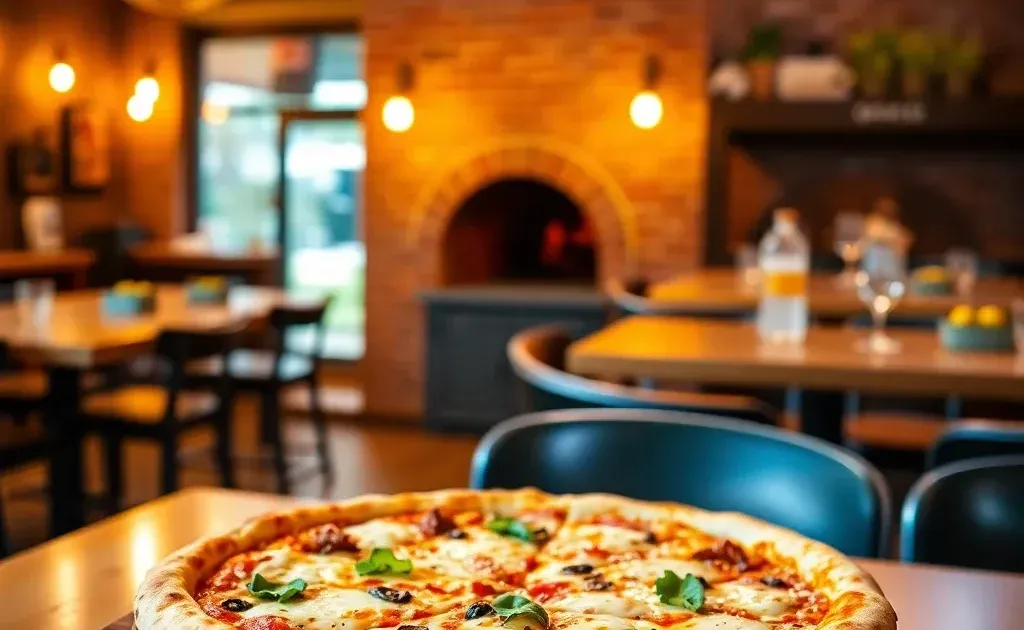
Over 90% of diners search online before choosing a restaurant, and pizza is consistently one of the most searched food categories on Google. That means pizzeria SEO isn't optional — it's the difference between a packed dining room and empty tables. For independent pizzerias competing against chains with marketing budgets ten times your size, ranking well in local search is the great equalizer.
This guide covers the five core pillars of effective pizzeria SEO: Google My Business optimization, local keyword research, menu page optimization, citation building, and review management. By the end, you'll have a concrete action plan — not just theory.
Why Pizzeria SEO Captures High-Intent Customers
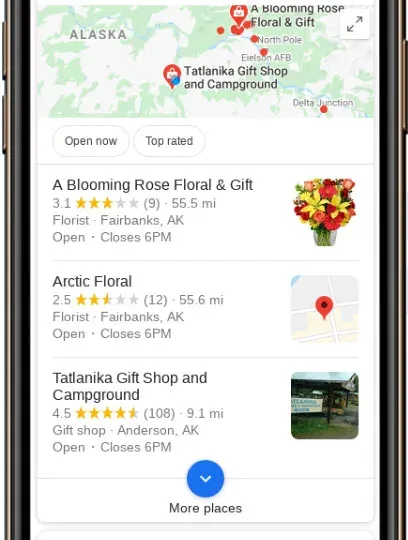
Pizza is a high-frequency, high-intent category. When someone searches "best pizza near me" or "Neapolitan pizza in Austin," they're usually ready to order. According to Google's research on local search behavior, 28% of local searches result in a purchase within 24 hours — that's the audience pizzeria SEO is designed to capture.
The Map Pack — the 3–5 business listings that appear in a map view at the top of Google results — is prime real estate for local food searches. Ranking here doesn't require the domain authority of a major chain. It requires consistent local SEO signals: a complete Google Business Profile, accurate citations, and genuine customer reviews.
Pizzeria SEO Quick-Win Checklist

Use this checklist immediately after reading. These actions are ordered by impact and ease of implementation.
Google My Business (Priority: Highest)
- [ ] Claim and verify your Google Business Profile
- [ ] Add complete NAP (Name, Address, Phone) — matching your website exactly
- [ ] Select "Pizza Restaurant" as your primary category
- [ ] Upload at least 10 high-quality photos (interior, food, exterior signage)
- [ ] Set accurate hours, including holiday hours
- [ ] Enable messaging and add a booking/order link
Website & On-Page SEO
- [ ] Add a dedicated, text-rich menu page (not a PDF)
- [ ] Implement LocalBusiness and Menu schema markup
- [ ] Optimize title tags: [Pizza Type] in [City] | [Restaurant Name]
- [ ] Test mobile page speed in Google PageSpeed Insights (target: 90+)
Citations & Reviews
- [ ] Submit to Yelp, TripAdvisor, Bing Places, and Apple Maps
- [ ] Verify NAP consistency across all existing listings
- [ ] Create a short Google review link and add it to receipts or table cards
- [ ] Respond to every existing review — positive and negative
Step 1: Google My Business Optimization for Pizzerias
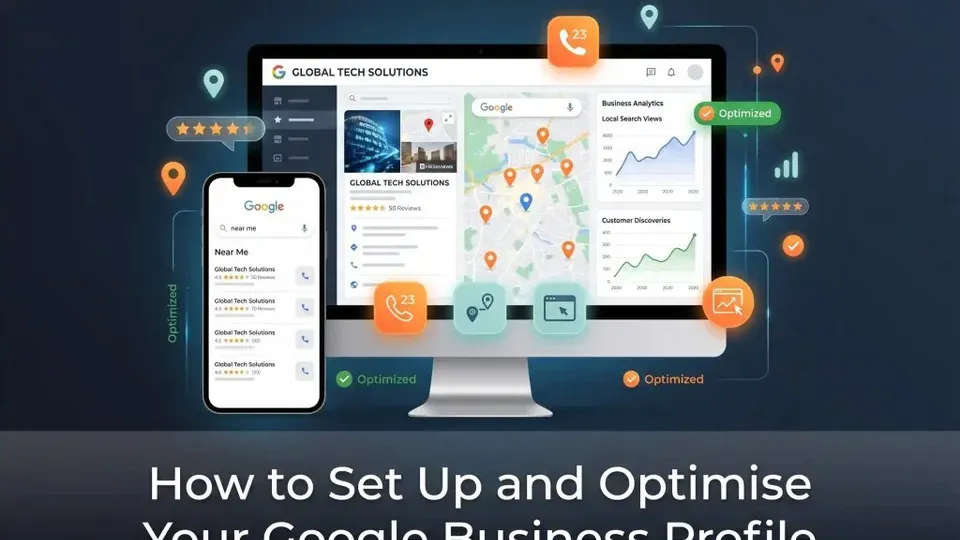
Google Business Profile (formerly GMB) is the single highest-impact SEO asset you control. According to Google's official guidance on local ranking factors, relevance, distance, and prominence are the three core signals — and a complete, active profile influences all three.
Claiming, Verifying, and Optimizing Your Profile
Go to business.google.com and search for your pizzeria. If an unverified listing exists, claim it. Google typically verifies by postcard, video call, or phone.
Common pitfall: Many pizzerias have duplicate listings created by Google or early customers. Search thoroughly before creating a new profile — duplicates split your reviews and confuse ranking signals.
Your primary category should be "Pizza Restaurant." Add secondary categories like "Italian Restaurant" only if they genuinely describe your business. A complete profile should also include:
- Business description (750 characters): Mention your city, specialty (e.g., wood-fired, New York-style), and unique selling point.
- Attributes: Mark delivery, dine-in, takeout, and relevant accessibility features.
- Photos: Businesses with photos receive 42% more requests for directions than those without, per Google's own data.
In my experience auditing restaurant profiles, the most commonly missing element is updated holiday hours. A single "closed" mismatch on a holiday sends customers to a competitor and damages your reliability signals.
Step 2: Pizzeria SEO Keyword Research
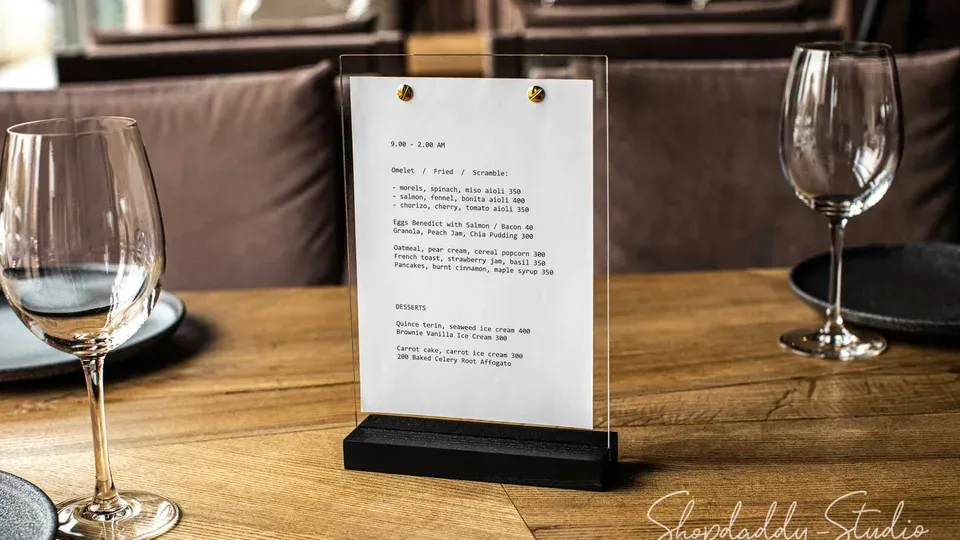
Local keyword research for pizzerias focuses on geographic intent — pairing what customers want with where they are. This is distinct from broad restaurant SEO, which may target national informational queries.
| Keyword Type | Example | Intent | |---|---|---| | Near-me queries | "pizza near me" | Immediate purchase | | Style + location | "Neapolitan pizza in Chicago" | Researching options | | Best + location | "best pizzeria in Denver" | Comparison shopping | | Occasion-based | "pizza catering Seattle" | Event planning |
Tools to use: Google Search Console (for queries you already rank for), Google autocomplete and "People Also Ask" boxes, and free tiers of Ubersuggest or Semrush for volume estimates.
When I tested this process for a mid-sized pizzeria in a competitive metro market, targeting long-tail style + location keywords (e.g., "Detroit-style pizza [city]") drove faster ranking gains than competing directly for "pizza near me" — because the specificity matched a defined customer segment with less established competition.
Step 3: On-Page SEO for Menu and Service Pages

Your menu page is one of the most visited — and most under-optimized — pages on a pizzeria website. A PDF menu has zero SEO value. Google can't reliably crawl it, and it creates a poor mobile experience.
Build a dedicated HTML menu page with:
- Descriptive names and ingredient lists: "Margherita Pizza — San Marzano tomatoes, fresh mozzarella, basil" gives Google meaningful content to index and matches how customers search.
- Location-specific language: If you serve a specific neighborhood, include it naturally in headers and descriptions.
- Fast mobile load time: Target a Largest Contentful Paint (LCP) under 2.5 seconds — Google's mobile-first indexing means mobile performance directly affects ranking.
Optimize title tags in the format: Best [Style] Pizza in [City] | [Restaurant Name]. Keep meta descriptions under 160 characters with a clear value statement.
Using Schema Markup to Display Menu Items
Schema markup tells Google exactly what information is present on your pages. For pizzerias, implementing LocalBusiness, FoodEstablishment, and Menu schema can result in rich results in Google Search, which Google's Search Central documentation confirms can improve click-through rates.
Key schema properties for a pizzeria: name, address, telephone, openingHours, hasMenu, servesCuisine, and priceRange.
Visual search tip: Name your food photography files descriptively (e.g., wood-fired-margherita-pizza-brooklyn.jpg) and add matching alt text. This is a gap almost no competitor covers — and it's a real ranking opportunity via Google Lens and image search.
Step 4: Building Local Citations for Restaurant Listings
A local citation is any online mention of your pizzeria's NAP — Name, Address, and Phone number. Google uses citation consistency as a trust signal: if your address appears as "123 Main St" on your website but "123 Main Street, Suite A" on Yelp, that inconsistency reduces your local authority.
Priority citation sources for pizzerias:
- Google Business Profile
- Yelp
- TripAdvisor
- Bing Places for Business
- Apple Maps Connect
- Food delivery platforms (DoorDash, Grubhub, Uber Eats)
Use a tool like BrightLocal or Moz Local to audit existing citations for NAP inconsistencies — especially important if you've changed addresses or phone numbers. Even if you don't actively use a delivery platform, claiming your listing there establishes a citation.
Optimize for "near me" searches: Ensure your Google Maps pin is placed precisely on your storefront — not the parking lot — and that your GMB service area reflects your actual delivery radius.
Step 5: Review Management and Star Ratings
Google's local ranking documentation explicitly identifies review signals — quantity, recency, and response rate — as factors in local search prominence. More recent, higher-rated reviews improve Map Pack visibility.
A practical review generation system:
- Add a QR code on receipts linking directly to your Google review page
- Train staff to verbally invite satisfied customers to leave a review
- Send a follow-up SMS or email 24 hours after a dine-in visit (compliant with Google's no-incentive policy)
- Respond to every review within 48 hours
Negative review strategy: Acknowledge the issue, apologize briefly, and invite the customer to contact you directly. Never argue publicly. A professional response often reassures future customers more than the negative review damages you.
Frequently Asked Questions
How long does pizzeria SEO take to show results? GMB profile changes can reflect within days. On-page SEO changes typically take 2–8 weeks as Google recrawls your site. Expect meaningful local ranking improvements within 60–90 days of a comprehensive effort.
How can a new pizzeria rank faster than an established competitor? Target long-tail, style-specific keywords your competitors ignore (e.g., "Roman al taglio pizza in [city]"). Aggressively build citations and collect reviews in your first 90 days. A new GMB profile with 50 recent reviews and complete optimization often outranks a 10-year-old listing with 20 stale reviews and missing information.
Should I use food delivery apps or optimize my own site for takeout orders? Both — but strategically. Delivery apps provide citation value and incremental orders but charge 15–30% commissions. Your own website's ordering system keeps margins intact. Use delivery apps for customer acquisition, then convert regulars to direct ordering.
The Bottom Line
The three highest-impact actions in pizzeria SEO are: fully optimizing your Google Business Profile, implementing schema markup on your menu page, and building a consistent review generation system. These three alone will move the needle faster than any other investment in pizza restaurant marketing.
SEO is not a one-time project. Revisit this checklist every quarter — update photos seasonally, check NAP consistency after any business changes, and monitor review recency. Set a reminder to check your Google Search Console rankings 30 days from today. You'll likely already see movement.
Start with your GMB profile today. Everything else builds on top of it.