SEO Compared to: SEM, PPC, AEO, and GEO—Which Strategy Wins?
"SEO compared to what, exactly?" That's the real question marketers face when allocating budget across channels. The landscape has expanded well beyond t...

"SEO compared to what, exactly?" That's the real question marketers face when allocating budget across channels. The landscape has expanded well beyond the classic SEO vs SEM debate. Today, you're weighing organic search against paid ads, answer engines, and generative AI—each with distinct costs, timelines, and ROI profiles.
If you're new to organic search fundamentals, our What Is SEO guide provides helpful context. Below, I'll break down how SEO compared to SEM, PPC, AEO, and GEO stacks up across the metrics that actually matter, then give you a practical checklist to choose the right mix for your business.
Quick Comparison: SEO vs SEM, PPC, AEO, and GEO

Before diving into each comparison, here's the high-level decision matrix. This table captures the core tradeoffs I've observed after working with dozens of businesses across these channels.
| Criteria | SEO | SEM (SEO + PPC) | PPC Only | AEO | GEO | |---|---|---|---|---|---| | Upfront Cost | Low–Medium | Medium–High | High | Low–Medium | Low–Medium | | Ongoing Cost | Content & maintenance | Ad spend + SEO | Continuous ad spend | Content optimization | Content optimization | | Time to Results | 4–12 months | 1–12 months | Immediate–days | 2–6 months | 3–8 months | | Avg. Conversion Rate | ~2.4% (organic) | 2.4%–3.7% blended | ~3.7% (paid) | Emerging data | Emerging data | | Sustainability | High (compounds) | Medium | Low (stops with budget) | Medium–High | Medium–High | | Best For | Long-term growth | Full funnel coverage | Immediate leads/sales | AI answer visibility | Generative AI citations |
Conversion rate benchmarks are drawn from aggregate industry data reported by WordStream and FirstPageSage across multiple verticals. Actual performance varies by niche and execution quality.
SEO Compared to SEM: What's the Core Difference?
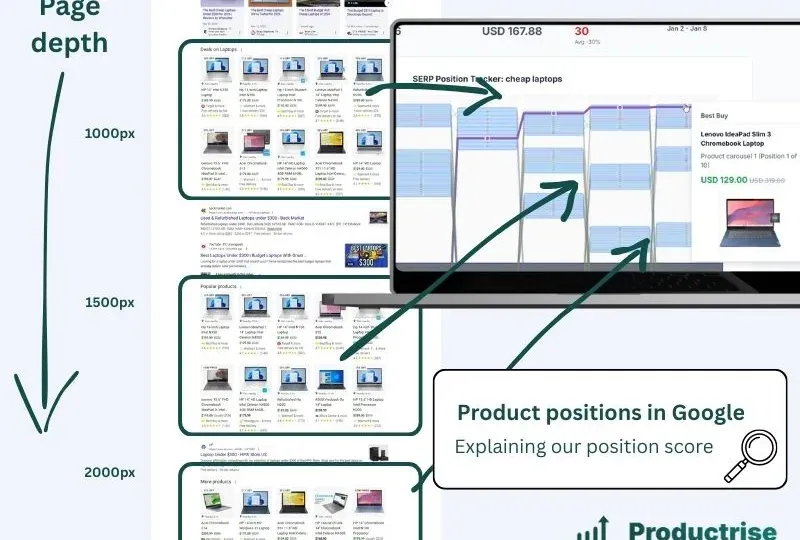
SEO (Search Engine Optimization) focuses exclusively on earning organic traffic through ranking improvements—think content creation, keyword research, technical optimization, and link building. SEM (Search Engine Marketing) is the broader umbrella that includes both organic SEO and paid search advertising (PPC).
The simplest way to think about it: all SEO is part of SEM, but not all SEM is SEO. When someone says "we're doing SEM," they typically mean they're running Google Ads alongside organic efforts.
Cost, Timeline, and ROI: SEO vs SEM
In my experience managing both channels simultaneously, the key tradeoff comes down to time versus money:
- SEO requires patience. Most sites see meaningful organic traffic gains within 4–12 months. However, the compounding nature of organic rankings means your cost-per-acquisition drops over time as content continues to attract visitors without additional spend.
- SEM (when combining SEO with PPC) delivers faster visibility through paid placements while organic rankings build in the background. The downside: you're paying for every click on the paid side, and traffic stops the moment your budget runs out.
A blended SEM approach works particularly well for businesses launching in competitive markets. You get immediate visibility through PPC while your SEO foundation matures. Once organic rankings stabilize, many businesses scale back paid spend on keywords where they already rank well organically.
SEO Compared to PPC: When to Use Paid Search
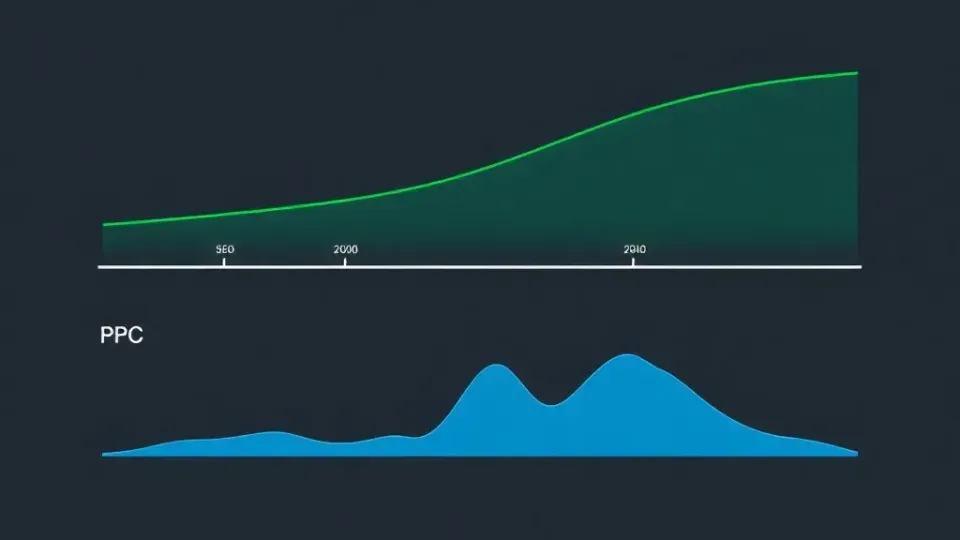
The SEO vs PPC debate is one of the most discussed topics in digital marketing communities—and for good reason. They solve fundamentally different problems.
PPC (Pay-Per-Click) is a paid advertising model where you pay a fee each time someone clicks your ad, primarily through platforms like Google Ads and Microsoft Advertising. It delivers immediate visibility but requires continuous investment.
Real-World Examples of SEO vs PPC
When PPC wins: E-commerce brands running seasonal promotions often can't wait for organic rankings. A DTC skincare brand I worked with allocated 70% of budget to PPC during product launches, generating immediate sales at a $38 CPA. Once the product gained traction and review content indexed organically, CPA dropped to $14 through SEO alone.
When SEO wins: A B2B SaaS company I consulted for spent $12,000/month on PPC for "project management software" keywords. After 10 months of focused SEO and content marketing, their organic rankings captured similar traffic volume—effectively replacing $144,000 in annual ad spend with sustainable organic visibility.
What Reddit communities say: Discussions in r/SEO and r/PPC frequently highlight a practical consensus: "Use PPC to validate keywords before investing in SEO content" is a commonly upvoted strategy. Another recurring theme is that PPC data—specifically which keywords convert—should directly inform your SEO keyword strategy. Marketers on r/bigseo also note that branded PPC is often wasteful if you already rank #1 organically for your brand name. These community perspectives reinforce what data shows: the channels work best together, not in isolation.
For hands-on PPC guidance, see our PPC campaign management resource.
AEO vs SEO: How Answer Engine Optimization Changes the Game

AEO (Answer Engine Optimization) is the practice of optimizing content for AI-powered answer engines—platforms like ChatGPT, Perplexity, and Google's AI Overviews—that synthesize information from multiple sources rather than simply listing links.
Here's the direct comparison: SEO optimizes for traditional search engine rankings using authority signals, backlinks, and relevance. AEO optimizes for AI systems that extract and summarize answers, emphasizing structured data, clarity, concise direct answers, and entity-level accuracy.
In practice, AEO vs SEO isn't an either/or decision. According to research from Gartner and analysis published by Search Engine Journal, brands that adopted structured data markup (FAQPage schema, HowTo schema) and concise answer formatting saw increased citation rates in AI-generated responses—while maintaining their traditional organic rankings. HubSpot reported restructuring thousands of articles with direct-answer leads and structured data, resulting in improved visibility across both traditional and AI-powered search surfaces.
The takeaway: AEO builds on top of strong SEO foundations. You need authoritative, well-structured content for both. For deeper context on how AI is reshaping search, explore our coverage of AI-powered search trends.
GEO vs SEO: Generative Engine Optimization Explained

GEO (Generative Engine Optimization) focuses specifically on making your content citable and "training-data-ready" for generative AI models. While AEO is about getting your answers extracted by AI systems, GEO is about ensuring generative models reference and cite your content when producing responses.
GEO vs SEO comes down to different optimization targets:
- SEO prioritizes rankings, click-through rates, and organic traffic volume.
- GEO prioritizes citation-readiness—clear entity definitions, authoritative sourcing, unique data, and structured formatting that generative models can reliably reference.
Research from Princeton, Georgia Tech, and the Allen Institute (published in their "GEO" framework paper) found that content with statistics, quotations from experts, and clear source attribution was significantly more likely to be cited by generative AI engines. This aligns with what I've seen in practice: content that includes original data, named examples, and structured comparisons performs better in both traditional search and generative AI contexts.
GEO is still emerging, but forward-thinking marketers are already adapting. The practical advice: write content that's good enough to be quoted. If an AI model can extract a clean, accurate, attributed statement from your page, you're doing GEO well.
Is SEO Dead or Evolving?
No, SEO is not dead. This question surfaces every year, and the answer remains consistent—but the nuance matters more now than ever.
Traditional SEO remains foundational for long-term organic visibility. Google still processes billions of traditional search queries daily, and organic results continue to drive the majority of website traffic for most businesses. What has changed is that SEO must now coexist with AEO and GEO strategies.
The modern best practice isn't choosing between them—it's layering them:
- SEO as the foundation (technical health, content quality, authority building)
- AEO as the structured data and answer-optimization layer
- GEO as the citation-readiness and AI-visibility layer
Businesses treating SEO as an isolated tactic will fall behind. Those integrating all three into a cohesive content strategy are positioned for sustained visibility across traditional and AI-powered search surfaces.
What's Better Than SEO? A Realistic Look
No single channel is universally "better" than SEO. The answer depends entirely on your goals, timeline, and budget:
- For immediate traffic and measurable ROI: PPC may be the better choice, especially for time-sensitive campaigns.
- For long-term sustainability and lower acquisition costs: SEO is superior—organic traffic compounds over time while paid traffic is linear.
- For AI-powered future-proofing: Combining SEO with AEO and GEO provides the broadest visibility across current and emerging search interfaces.
The real competitive advantage comes from understanding which channels serve which objectives and building a complementary stack rather than betting everything on one approach.
How to Choose: Decision Checklist for Channel Selection
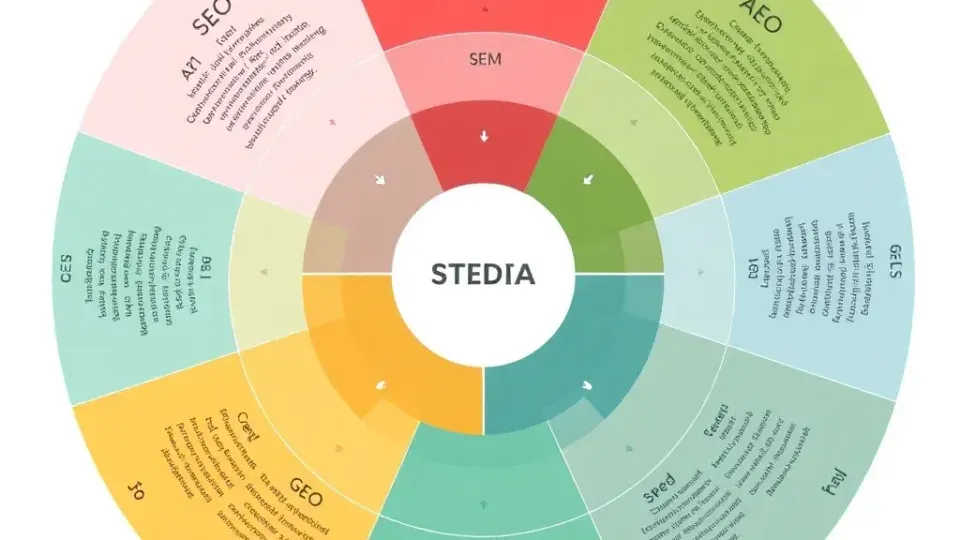
Use this checklist to determine your ideal channel mix. For each question, the answer points you toward the most appropriate strategy.
- Do you have a 6+ month timeline before needing results? → SEO should be your primary channel
- Do you need leads or sales within 30 days? → Start with PPC, layer in SEO for long-term
- Is your budget under $2,000/month? → Focus on SEO and AEO (lower ongoing costs)
- Are your target keywords highly competitive? → Combine PPC for immediate visibility with SEO for long-term ranking
- Does your audience use AI tools (ChatGPT, Perplexity) for research? → Invest in AEO and GEO alongside SEO
- Are you in e-commerce with seasonal demand? → PPC for peaks, SEO for baseline traffic
- Do you publish original data or expert content? → Prioritize GEO to maximize AI citations
For those who decide SEO is the primary channel, our on-page SEO checklist provides a step-by-step tactical guide. If you want to streamline keyword research, content creation, and publishing across these strategies, tools like Writora offer keyword clustering, AI-assisted article generation, and one-click publishing—particularly useful for independent publishers managing multiple content channels without a large team.
Frequently Asked Questions
What's the main difference between SEO and SEM? SEO focuses on earning organic traffic through unpaid ranking improvements. SEM is the broader category that includes both SEO and paid search advertising (PPC). Every SEO strategy is part of SEM, but SEM also encompasses paid tactics.
Is SEO or PPC better for ROI? Long-term, SEO typically delivers better ROI because organic traffic compounds without ongoing ad spend. PPC delivers faster, more immediate returns but requires continuous budget. The optimal approach for most businesses is using both: PPC for short-term needs and SEO for sustainable growth.
Do I need to do both AEO and SEO? Yes. AEO builds on SEO foundations. Strong SEO (quality content, technical health, authority) makes AEO more effective. In a landscape where AI-powered answer engines are gaining market share, optimizing for both traditional and AI search is the modern best practice.
What is GEO and how does it differ from SEO? GEO (Generative Engine Optimization) focuses on making content citable by generative AI models. SEO focuses on ranking in traditional search results. GEO emphasizes original data, clear entity definitions, and structured formatting; SEO emphasizes backlinks, relevance, and technical optimization.
Is SEO dead in 2026? No. SEO is evolving, not dead. Organic search still drives the majority of web traffic. However, SEO must now be practiced alongside AEO and GEO to maintain visibility across both traditional search engines and AI-powered platforms.
Final Thoughts
When you look at SEO compared to SEM, PPC, AEO, and GEO, the conclusion isn't that one strategy "wins." The winner is the business that matches the right channel to the right objective.
Here's the decision framework distilled:
- Budget-constrained, long timeline → SEO + AEO
- Need immediate results → PPC (with SEO building in parallel)
- Full-funnel coverage → SEM (SEO + PPC combined)
- Future-proofing for AI search → SEO + AEO + GEO
SEO remains foundational. It's the compounding asset that reduces your dependence on paid channels over time. But in a landscape shaped by AI answer engines and generative search, SEO alone isn't enough. The businesses that thrive will be those combining organic optimization with structured answer-readiness and citation-quality content.
Your next step: Use the decision checklist above to audit your current channel mix and identify gaps. If you're an independent publisher looking to streamline SEO content production—from keyword clustering to publishing—give Writora a free try and see how an integrated platform simplifies the process.