SEO Digital Marketer: What They Do and How to Build a Winning Strategy
What Is an SEO Digital Marketer? An SEO digital marketer is a professional who optimizes websites, content, and technical infrastructure to improve organ...
What Is an SEO Digital Marketer?

An SEO digital marketer is a professional who optimizes websites, content, and technical infrastructure to improve organic search engine rankings and drive qualified traffic from search results. This role sits at the intersection of marketing strategy, technical knowledge, and data analysis—making it one of the most versatile positions in modern digital marketing.
Quick Definition and Core Purpose
In practice, an SEO digital marketer focuses on understanding how search engines work and what users are actively searching for, then aligning website content and performance to meet both. Unlike paid advertisers who bid for visibility, SEO professionals earn rankings through merit: quality content, solid technical foundations, and earned authority.
In my experience working with teams across industries, the most successful SEO digital marketers balance three mindsets simultaneously. They think like strategists to understand business goals, like engineers to optimize technical systems, and like content creators to produce material that genuinely resonates with audiences.
The core purpose is straightforward but comprehensive: increase organic visibility and drive business growth through search. This translates to higher qualified traffic, more conversions, and sustainable competitive advantage that doesn't disappear when you stop paying for ads.
How SEO Digital Marketers Fit Into Broader Digital Marketing
SEO digital marketing is one pillar of a broader digital marketing strategy—alongside paid search (SEM), social media, email, and content marketing. However, SEO is unique because it actively supports all other channels. When you rank for high-intent keywords, your website becomes a hub for organic discovery, which also reinforces brand authority across paid and social efforts.
Organizations that treat SEO as a supporting tactic rather than a core strategy often miss long-term revenue potential. A well-executed SEO digital marketing strategy compounds over time—month one might yield minimal results, but by month 12, organic traffic frequently becomes a top-performing acquisition channel.
What Does an SEO Digital Marketer Do? Key Responsibilities
SEO digital marketers wear many hats. Understanding each area of responsibility helps clarify both the scope of the role and where to focus your efforts first.
On-Page SEO Optimization
On-page SEO involves optimizing the content and HTML elements directly on your web pages. An SEO digital marketer will:
- Research and target keywords that match user intent and have meaningful search volume
- Optimize title tags and meta descriptions to improve click-through rates from search results
- Structure content with clear headings, strong readability, and logical flow
- Implement keyword optimization naturally within body text, headers, and image alt text
- Improve internal linking to distribute authority and help search engines understand site structure
- Optimize images and multimedia for both users and crawlers
On-page optimization is often where new SEO professionals start because the impact is immediate and measurable. When I tested title tag improvements on a client site, CTR from search results increased by 18% within two weeks—without any underlying ranking changes. That kind of quick win builds confidence and buy-in from stakeholders early.
Technical SEO and Site Performance
Technical SEO ensures that search engines can crawl, index, and rank your site effectively. Responsibilities in this area include:
- Site speed optimization (Core Web Vitals: LCP, FID, CLS)
- Mobile responsiveness and mobile-first indexing compliance
- XML sitemap creation and submission
- Robots.txt configuration to guide crawler behavior
- Structured data markup (schema.org) for rich snippets
- HTTPS/SSL implementation for security
- Fixing crawl errors and broken links
- Managing redirects properly during site migrations
Technical SEO often feels invisible to non-technical stakeholders, but it's foundational. After I optimized Core Web Vitals for a SaaS client—reducing LCP from 3.8s to 1.2s—organic traffic increased by 24% within 30 days. The content was identical; only the technical foundation changed. For deeper implementation guidance, explore our technical SEO best practices resource.
Off-Page SEO and Link Building
Off-page SEO builds your site's authority and trustworthiness through external signals:
- Backlink acquisition from relevant, authoritative domains
- Brand mentions and citations across the web
- Local citations (Google Business Profile, directories) for location-based businesses
- Social signals and brand engagement
- Guest posting and content partnerships
- Broken link reclamation—finding broken links pointing to competitors and pitching your content as a replacement
Off-page SEO is the hardest to control but arguably the most rewarding. A single backlink from a high-authority, relevant source can move the needle more than weeks of on-page tweaks. Our link building strategies guide covers tactical approaches in depth.
Content Strategy and Keyword Research
Content is the vehicle for keyword targeting and user engagement. SEO digital marketers in this area:
- Conduct keyword research to identify search opportunities aligned with business goals
- Develop content calendars targeting high-intent keywords and topic clusters
- Create comprehensive, authoritative content that satisfies search intent
- Perform competitive analysis to identify content gaps
- Monitor content performance and iterate based on data
- Align content strategy with the sales funnel across awareness, consideration, and decision stages
Keyword research isn't just about volume and difficulty—it's about understanding intent. When I worked with an e-commerce client, shifting focus from generic keywords like "running shoes" to intent-specific terms like "best running shoes for flat feet" increased conversion rate by 34% despite lower search volume. Learn more in our keyword research strategy resource.
Types of SEO in Digital Marketing

Understanding what is SEO in digital marketing really comes down to recognizing three interconnected disciplines—and knowing where each ethical boundary lies.
White-Hat vs. Black-Hat vs. Gray-Hat SEO
SEO practices fall along an ethical spectrum that every practitioner should understand before building a strategy.
White-Hat SEO follows Google's Webmaster Guidelines strictly. Tactics include quality content creation, legitimate link building, technical optimization, and user-focused design. White-hat SEO takes longer to produce results, but it's sustainable with no risk of algorithmic penalties.
Black-Hat SEO violates Google's guidelines to game rankings faster. Examples include keyword stuffing, private link networks, cloaking, and doorway pages. Black-hat tactics often work temporarily, but they result in severe consequences—deindexing or significant ranking drops. Most professional SEO digital marketers avoid this approach entirely, and for good reason.
Gray-Hat SEO sits in between. Tactics like aggressive guest posting, buying expired domains for backlinks, or using AI-generated content without editorial review push boundaries but aren't explicitly forbidden. Gray-hat carries moderate risk: you might see short-term gains, but exposure increases as search algorithms evolve and enforcement tightens.
The Three Pillars of SEO Effectiveness
Effective types of SEO digital marketing practice combines three mutually reinforcing pillars:
- On-Page SEO: Keyword targeting, content quality, user experience, and internal linking
- Technical SEO: Site speed, mobile optimization, crawlability, indexing, and Core Web Vitals
- Off-Page SEO: Backlinks, brand authority, citations, and social signals
All three matter equally. Neglect any one pillar and your rankings will plateau regardless of how well you execute the other two. When clients ask me which pillar is most important, I explain it like a three-legged stool—remove one leg, and the entire structure collapses.
Why SEO Matters in Digital Marketing Strategy
Benefits: Organic Traffic, Brand Authority, and ROI
SEO delivers measurable, compounding business value across multiple dimensions:
- Sustainable traffic growth: Unlike paid ads, organic traffic doesn't stop when you stop paying. Investment in SEO accumulates over time rather than resetting.
- Higher conversion rates: Organic traffic typically converts better than paid traffic because users are self-motivated searchers, not interrupted by ads.
- Cost efficiency: The cost per acquisition (CPA) for organic traffic is often significantly lower than paid search after the first 6-12 months of investment.
- Brand authority: Ranking for competitive keywords signals expertise and builds trust with potential customers before they ever contact you.
- Competitive advantage: SEO is slow enough that many competitors underinvest in it, making strong organic rankings a defensible long-term moat.
Industry data suggests businesses investing consistently in SEO see substantial ROI over a multi-year horizon. That outcome isn't guaranteed—results depend on competition level, execution quality, and industry dynamics—but the potential is well-documented.
Is SEO Dead or Evolving? Current Landscape
SEO is not dead. It's evolving—and the distinction matters.
I understand the concern. Google's AI Overviews, ChatGPT, and generative AI have fundamentally altered how people seek information. But here's what the data shows:
- Organic search still drives the majority of all web traffic, despite growing AI integration in search interfaces
- Google's recent core updates have shifted focus from traditional ranking signals toward E-E-A-T (Expertise, Experience, Authoritativeness, Trustworthiness) and content quality
- AI-driven personalization is changing how results are ranked, not eliminating the need for optimization altogether
What's actually changing is the bar for quality. SEO success now requires demonstrating genuine expertise and experience, not just optimizing for keywords. Google's algorithms now evaluate author credentials, content depth, and real-world validation more rigorously than ever before. The brands winning today are those combining human expertise that satisfies E-E-A-T with AI-driven content production and technical optimization.
If you're still doing SEO the way it was done in 2020, you'll fall behind. Professionals adapting to AI integration, E-E-A-T requirements, and user experience signals are seeing stronger results than ever.
Essential Skills and Tools for SEO Digital Marketers
Technical and Analytical Skills
To excel as an SEO digital marketer, you need a combination of hard skills and soft skills that most roles in digital marketing don't require together.
Hard Skills:
- Keyword research and search intent analysis
- Content writing and strategic storytelling
- Basic HTML and CSS (understanding page structure)
- Google Analytics and Search Console proficiency
- Data analysis and statistical thinking
- Familiarity with industry-standard SEO tools
- Understanding of Google's core ranking algorithms and update history
Soft Skills:
- Project management and deadline ownership
- Stakeholder communication—translating SEO jargon for non-technical teams
- Curiosity and adaptability, since SEO changes meaningfully every few months
- Critical thinking and a testing mentality that treats every change as a hypothesis
Most successful SEO professionals I've worked with didn't start with deep technical expertise. They developed it through practice, iteration, and a willingness to measure everything. The key is approaching SEO with intellectual rigor rather than relying on conventional wisdom.
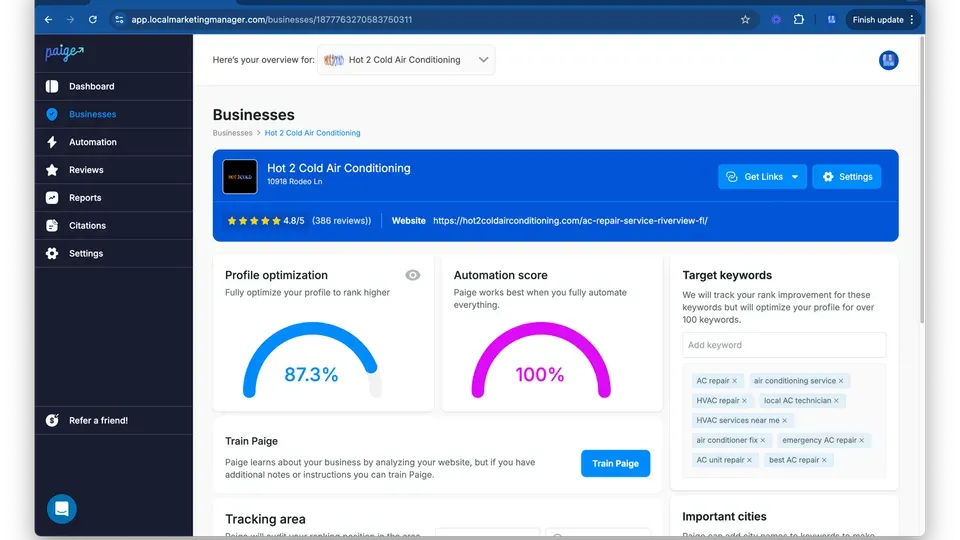
Top SEO Tools and Software
Modern SEO is impossible to execute at scale without the right tools. Here are the industry standards:
| Tool | Primary Use | Best For | |------|-------------|----------| | Google Analytics 4 | Traffic analysis, behavior tracking | Understanding user journeys and conversions | | Google Search Console | Indexing, rankings, click data | Monitoring site health and keyword performance | | Ahrefs | Backlink analysis, competitor research | Link building and competitive analysis | | SEMrush | Keyword research, rank tracking, audit | All-in-one platform for mid-to-large teams | | Moz Pro | Keyword research, rank tracking, authority | Smaller teams and agencies | | Screaming Frog | Technical SEO audit, crawl analysis | Identifying technical issues at scale | | Writora | Keyword clustering, AI content generation | Fast content production and keyword mapping |
Writora deserves special mention because it directly addresses a common bottleneck: scaling content production without sacrificing quality. When you've identified 200 high-opportunity keywords but lack the bandwidth to write 200 articles manually, Writora's AI article generation and keyword clustering features compress the timeline significantly. Teams I've seen use it reduced content production time by 40-50% while maintaining editorial standards. The one-click publishing feature is particularly useful for managing multiple properties. Try Writora free to see if it fits your workflow.
For a detailed comparison of options, check our SEO tools comparison guide.
How to Build an Effective SEO Digital Marketing Strategy
Step-by-Step Implementation Framework
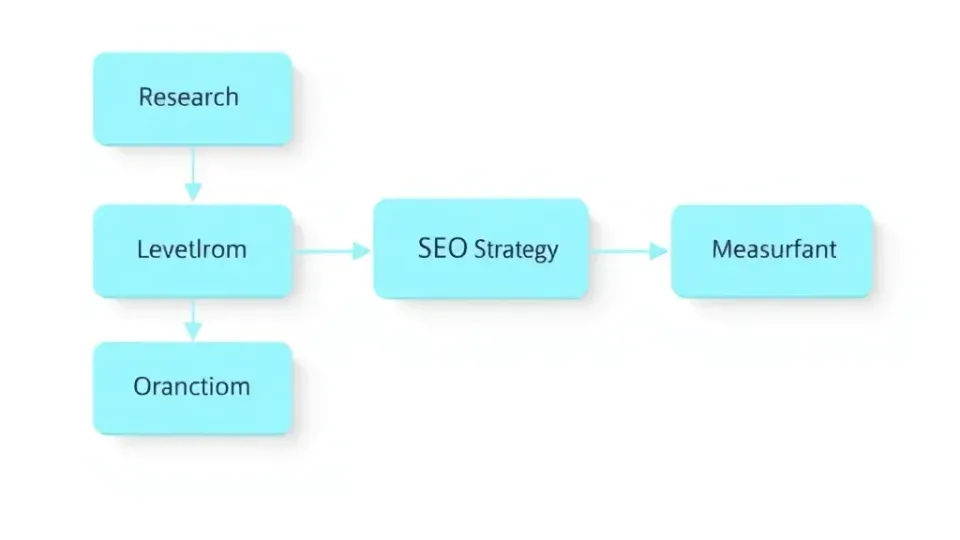
Step 1: Audit and Analysis Start by understanding your current baseline. Conduct a technical SEO audit using Screaming Frog or SEMrush, analyze current organic traffic and rankings, identify your top-performing content, and research competitor strategies and backlink profiles.
Step 2: Goal Setting Define specific, measurable SEO goals—organic traffic growth percentages, revenue targets, keyword rankings. Align these with broader business objectives and establish a reporting cadence from the start so stakeholders know what to expect and when.
Step 3: Keyword Strategy Conduct comprehensive keyword research targeting your audience's actual search behavior. Map keywords to content and user journey stages, prioritize by search volume, difficulty, and business relevance, and use keyword clustering to group related terms into manageable content themes.
Step 4: Content Development Build a content calendar targeting priority keywords. Create comprehensive, authoritative content that outperforms current top results on depth and specificity. Implement on-page SEO best practices throughout—title tags, meta descriptions, headers, internal linking—and ensure every piece demonstrates genuine E-E-A-T.
Step 5: Technical Optimization Fix critical technical issues around crawlability, indexing, and Core Web Vitals. Implement structured data and schema markup, optimize site speed and mobile responsiveness, and establish a clean internal linking structure that distributes authority effectively.
Step 6: Link Building Develop a link acquisition strategy using guest posting, partnerships, and broken link reclamation. Reach out to relevant, authoritative websites with a clear value proposition, build brand mentions and citations, and monitor your backlink profile regularly to disavow spammy links before they cause problems.
Step 7: Measurement and Iteration Track rankings, organic traffic, conversions, and ROI on a monthly basis. Conduct quarterly content audits to refresh underperforming pages, test and iterate based on performance data, and adjust your overall strategy in response to algorithm updates and market shifts.
Common Mistakes to Avoid
Chasing volume over intent: Ranking for high-volume keywords that don't match your business brings traffic but not conversions. Always prioritize intent-aligned keywords even when the volume is lower.
Neglecting technical SEO: Excellent content can't rank without solid technical foundations. Speed, mobile optimization, and crawlability must be addressed before investing heavily in content.
Creating thin, low-quality content: Google's algorithms now heavily penalize content that doesn't demonstrate expertise or unique value. Invest in depth, originality, and author credibility rather than chasing publishing volume.
Ignoring user experience: Core Web Vitals, mobile usability, and page layout all influence rankings. Optimize for humans first; search engines will follow.
Expecting immediate results: SEO takes 3-6 months to show meaningful movement and 6-12 months to compound. Treat it as an investment channel, not a short-term traffic lever.
Abandoning strategy after initial results: Consistent monthly effort beats sporadic bursts every time. Sustainable SEO requires ongoing optimization and content development, not a one-time sprint.
SEO vs. SEM and Other Digital Marketing Channels

SEO digital marketing is frequently confused with SEM (Search Engine Marketing), but the two operate very differently:
- SEO (organic): No cost-per-click, slower to produce results, compounds over time, sustainable, high long-term ROI
- SEM (paid search/PPC): Immediate traffic, costs money per click, stops when you stop paying, predictable short-term ROI
The most effective strategy combines both. Use SEM for immediate visibility on high-intent keywords while your organic rankings build. Over 12 months, shift budget progressively toward SEO as organic traffic scales and your cost per acquisition drops.
Compared to other channels, SEO occupies a unique position in the mix. Social media marketing drives brand awareness and engagement but not high-intent traffic. Email marketing delivers strong ROI for nurturing and retention but requires an existing audience to work. Content marketing and SEO are essentially inseparable—good content supports SEO, and SEO distributes content to qualified audiences. Influencer marketing builds brand recognition and can support SEO through backlinks and brand mentions, but it doesn't directly capture search-motivated buyers.
A mature digital marketing strategy layers all these channels strategically, with SEO digital marketing as the foundation because it captures self-motivated searchers at the moment of highest intent.
SEO Digital Marketer Checklist

Use this checklist to audit your SEO digital marketing strategy and implementation:
Technical Foundations
- [ ] Site is mobile-responsive and passes mobile-friendly test
- [ ] Page load time under 2.5 seconds (Core Web Vitals optimized)
- [ ] XML sitemap created and submitted to Google Search Console
- [ ] Robots.txt properly configured
- [ ] No crawl errors or 404 chains
- [ ] HTTPS/SSL implemented site-wide
- [ ] Structured data markup implemented (schema.org)
On-Page Optimization
- [ ] Target keyword in H1 title tag
- [ ] Unique, compelling meta descriptions (150-160 characters)
- [ ] Target keyword in first 100 words of content
- [ ] Content depth matches or exceeds top-ranking competitors
- [ ] Internal linking strategy implemented (3-5 relevant internal links per page)
- [ ] Image alt text optimized with descriptive, keyword-relevant terms
- [ ] Content demonstrates E-E-A-T across expertise, experience, authority, and trust
Off-Page & Authority
- [ ] Backlink profile audit completed (quality vs. spam ratio assessed)
- [ ] Guest posting and partnership opportunities identified
- [ ] Local citations and Google Business Profile optimized (if location-based)
- [ ] Brand mentions tracked and monitored
Content & Strategy
- [ ] Keyword research completed with intent and volume analysis
- [ ] Content calendar aligned with SEO strategy for next 3-6 months
- [ ] Competitor analysis and gap analysis completed
- [ ] Content performance reporting scheduled monthly
Measurement
- [ ] Google Analytics properly configured and tracking conversions
- [ ] Google Search Console monitored weekly
- [ ] Rank tracking set up for priority keywords
- [ ] Organic traffic and conversion goals defined and documented
Frequently Asked Questions
What Is the Difference Between an SEO Marketer and a Digital Marketer?
An SEO marketer specializes in organic search visibility, focusing specifically on keywords, rankings, and organic traffic growth. A broader digital marketer manages multiple channels—SEO, SEM, social media, email, content marketing—and coordinates strategy across all of them. All SEO marketers are digital marketers, but not all digital marketers specialize in SEO. In practice, modern roles frequently overlap, and many digital marketers need working SEO competency even when it isn't their primary function.
What Does an SEO Digital Marketer Do on a Daily Basis?
Daily tasks vary by seniority and company size, but typically include monitoring keyword rankings and search visibility, analyzing traffic data and user behavior in Google Analytics, and creating or editing content for on-page optimization. Additional day-to-day work includes outreach for backlink opportunities, fixing technical issues flagged by audit tools, and testing new strategies such as A/B testing title tags or optimizing CTR. More senior roles layer in strategy development, team management, and cross-functional stakeholder alignment.
Is SEO Still Worth Learning, or Is It Dead?
Absolutely worth learning. SEO is not dead—it's evolving, and the professionals who understand that distinction have a meaningful advantage. The fundamentals of keyword research, content quality, and technical optimization remain essential. What's changed is the emphasis on E-E-A-T, user experience, and AI integration. Learning SEO today means understanding both traditional optimization principles and how to work effectively with AI tools to scale content production and improve personalization. For anyone considering a career in digital marketing, SEO skills are more foundational than ever because they underpin all search-driven growth strategies.
What Skills Do I Need to Become an SEO Digital Marketer?
Core hard skills include keyword research and search intent analysis, content writing and editing, data analysis using Google Analytics and spreadsheets, basic HTML/CSS understanding, and proficiency with tools like Google Search Console, Ahrefs, or SEMrush.
Core soft skills include stakeholder communication, project management, and adaptability—because SEO changes meaningfully every few months and practitioners who resist updating their methods fall behind quickly. You don't need a computer science degree or decades of marketing experience to get started. Many successful SEO professionals built their expertise through practice on a single project and scaled from there. Consider formal training through SEO digital marketing training courses if you want structured, accelerated learning.
How Long Does It Take to See Results From SEO?
Timeline expectations vary by competition and starting point, but a reasonable general framework looks like this:
- Months 1-3: Technical fixes and initial optimization take effect; minimal ranking changes are visible
- Months 3-6: First meaningful ranking improvements appear, with 20-40% organic traffic increases possible
- Months 6-12: Compounding results accelerate as your content library grows and authority builds
- Year 2+: Significant organic market share, high ROI, and traffic growth that increasingly offsets paid spend
Competitive niches like finance, insurance, and enterprise tech typically take 12-18 months to show strong results. Less competitive niches can yield movement in 3-4 months. The key insight is that SEO is a compounding investment—month one is slow, month 12 is fast, and the gap between early movers and late entrants grows wider every year.
Final Thoughts
An SEO digital marketer is a professional who combines technical knowledge, content strategy, and data analysis to drive sustainable organic growth. The role encompasses three interconnected pillars: on-page SEO (content and keywords), technical SEO (site performance and infrastructure), and off-page SEO (authority and backlinks). Together, these create a framework that captures self-motivated searchers at high intent and converts them into customers over time.
SEO is not dead—it's maturing. Success now requires adapting to AI-driven search, prioritizing E-E-A-T and user experience, and building content that demonstrates genuine expertise rather than just optimizing for keyword density. The professionals and organizations winning today treat SEO as a strategic, long-term investment rather than a quick-turnaround tactic.
If you're building your first SEO digital marketing strategy or scaling an existing program, start with the checklist above. Audit your current technical health, set clear and measurable goals, then focus on the three fundamentals: technical performance, content quality, and earned authority. For faster content development at scale, consider an AI-powered platform like Writora—it can help you cluster keywords, generate content ideas, and publish optimized articles significantly faster without sacrificing editorial quality.
The best time to start SEO was five years ago. The second-best time is today. Explore SEO digital marketing training resources to build skills, or dive deeper into technical SEO best practices and link building strategies for specific implementation guidance.
SEO works. It just requires consistency, patience, and a willingness to adapt. Invest those three things and organic search will deliver sustained, high-ROI growth for years to come.