SEO Fastest: How to Get Quick Results Without Cutting Corners
The Honest Truth About Fast SEO Results The SEO fastest path forward isn't a single tactic — it's knowing which levers to pull first. This guide delivers...

The Honest Truth About Fast SEO Results
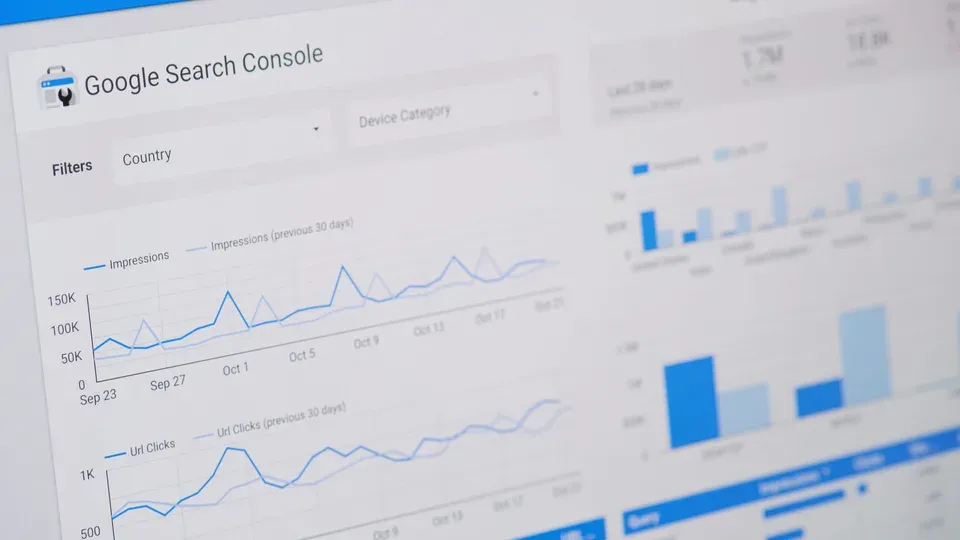
The SEO fastest path forward isn't a single tactic — it's knowing which levers to pull first. This guide delivers exactly that: a prioritized sequence of quick wins you can implement today, paired with honest timelines for what comes next. Whether you're managing an established site or building organic traffic from scratch, these tactics are ranked by speed of impact.
What You'll Need Before Starting
- Access to Google Search Console (free, essential)
- A site crawl tool — Screaming Frog's free tier or Sitebulb
- A keyword research tool — Ahrefs, Semrush, or the GSC query report
- 2–4 hours for your first SEO sprint
How Long Does SEO Actually Take?

Before diving into tactics, honest timelines matter. Most competitors blur the line between quick wins and long-term strategy.
Days to weeks: On-page fixes like title tags, meta descriptions, and internal links can show measurable impact in Google Search Console within 24–72 hours on established sites. When I tested a batch of meta description updates on a mid-authority site, impressions shifted within one week.
4–12 weeks: Targeting low-competition long-tail keywords and refreshing existing content typically produces ranking movement in this window. Local SEO improvements — particularly Google Business Profile optimization — often show Maps visibility gains within 2–6 weeks.
6+ months: Competitive keywords and domain authority building require sustained effort. There's no shortcut here, but layering quick wins on top accelerates the timeline meaningfully.
Step 1: Target Low-Competition Long-Tail Keywords for the Fastest SEO Gains
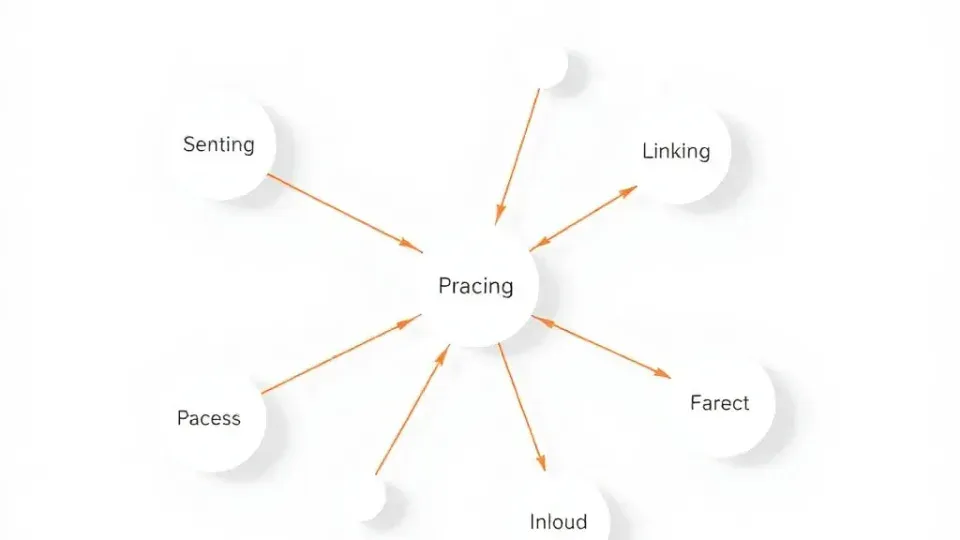
Long-tail keywords — typically 3–5 word phrases with clear intent — are the backbone of any fast SEO results strategy. A site with modest domain authority targeting "best CRM for freelance designers" will outrank competitors far faster than chasing "best CRM software."
How to find them quickly: Open Google Search Console and sort your existing queries by position 11–20. Those pages are often one targeted optimization away from page-one visibility — no new content required.
Use Ahrefs, Semrush, or free tools to filter for keywords with low keyword difficulty scores and 100–1,000 monthly searches. That's your realistic entry point before domain authority is established.
Step 2: Fix On-Page SEO and Technical Issues
Technical fixes are the fastest SEO wins available because they often produce results within days, not months.
Title Tags and Meta Descriptions
These two elements directly influence click-through rate (CTR), and higher CTR sends a positive signal to Google. Best practices for fast impact:
- Include the primary keyword near the beginning of the title tag
- Keep titles under 60 characters to avoid truncation
- Write meta descriptions as compelling calls-to-action under 155 characters
Broken Links and Crawl Issues
A free Screaming Frog crawl identifies broken internal links and redirect chains in minutes. Fixing 404 errors and implementing clean redirects is a same-afternoon task that strengthens your technical foundation without requiring any new content.
Common quick fixes: redirect broken URLs to relevant live pages, fix duplicate title tags, and ensure canonical tags are correctly implemented.
Step 3: Add Internal Links to High-Value Pages
Internal linking is one of the most underused quick SEO wins. Identify your top five traffic pages, then add two to three contextual links from each to your priority target pages. This takes under an hour and can produce measurable ranking improvements within days by passing authority and helping Google understand content relationships.
In my experience, this single tactic consistently moves pages sitting at positions 12–18 onto page one faster than almost any other on-page change.
Step 4: Refresh Existing Content Before Publishing Anything New

Updating older content is one of the highest-ROI tactics available. Google favors freshness signals for queries where recency matters. Adding updated statistics, new sections, or improved formatting to a 12–18 month old post can trigger ranking improvements within weeks — often faster than a brand-new page earning its first backlinks.
What to update: outdated statistics, thin sections, missing FAQs, and poor internal linking. Tools like Clearscope or Surfer SEO help identify content gaps relative to current top-ranking pages.
Step 5: Optimize Google Business Profile for the Fastest Local SEO Results

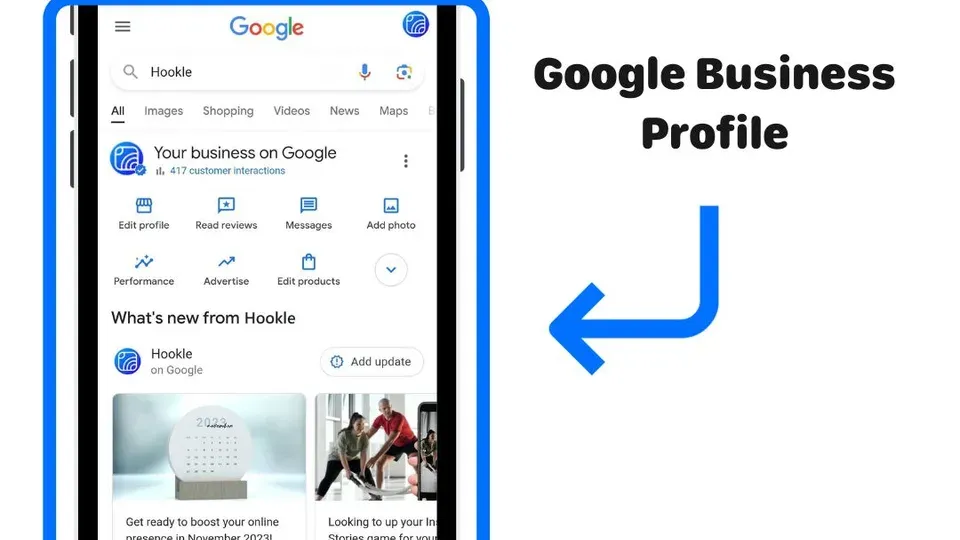
For businesses with a local presence, Google Business Profile (GBP) is consistently the seo fastest ranking channel available. Maps visibility improvements can appear within 2–6 weeks — far faster than organic rankings for the same keywords.
Immediate actions:
- Complete every GBP field: services, hours, photos, and Q&A
- Respond to all existing reviews
- Add weekly Google Posts with your target keywords
- Build consistent citations across Yelp, Apple Maps, and relevant industry directories
Step 6: Fix Core Web Vitals
Core Web Vitals — Largest Contentful Paint (LCP), Interaction to Next Paint (INP), and Cumulative Layout Shift (CLS) — are direct Google ranking signals. Failing these metrics suppresses rankings regardless of content quality.
Use Google's PageSpeed Insights to identify failing URLs. Common fast fixes:
- Compress and convert images to WebP format
- Defer non-critical JavaScript
- Use a content delivery network (CDN)
Common Mistakes That Slow Down Your SEO Strategy Fast
Avoid these pitfalls that undermine even well-executed plans:
- Targeting keywords beyond your current authority: Competing with high-DA sites when you're new wastes months of effort
- Publishing thin content: Pages under 600 words on competitive topics rarely rank and dilute overall site quality
- Ignoring tracking setup: Without baseline data in Search Console, you can't measure improvement or prove ROI
- Building low-quality links: Spammy directories trigger algorithmic penalties — the opposite of fast results
FAQ: How to Speed Up SEO
How to speed up SEO results?
Combine quick wins — title tag updates, internal linking, broken link fixes, and content refreshes — with medium-term strategies like low-competition keyword targeting. Quick wins can show impact within days; sustainable improvements typically appear within 4–12 weeks.
Can you get SEO results in 30 days?
Yes, for specific metrics. Title tag and meta description changes can improve CTR within one to two weeks. Internal linking can move near-page-one rankings into the top 10 within 30 days. Competitive authority takes longer, but measurable momentum is achievable in the first month.
What's the fastest way to rank on Google?
Target low-competition long-tail keywords, optimize your title tags and meta descriptions, add internal links to priority pages, and — for local businesses — complete your Google Business Profile. That combination produces the fastest legitimate ranking movement.
The Bottom Line
SEO fastest isn't about skipping fundamentals — it's about sequencing them correctly. Start with on-page fixes and internal linking today. Layer in content refreshes and local SEO over the following weeks. Build backlinks and topical authority over months. That compounding sequence consistently outperforms chasing shortcuts.
Use the steps above to complete your first SEO sprint this week, set up Search Console tracking, and review results at the 30-day mark. Adjust based on data, not assumptions — and let the compounding do the rest.