SEO for Men: Essential Strategies to Boost Your Online Visibility
SEO for men is the practice of optimizing websites, content, and digital properties that target male audiences for higher search engine visibility. It ap...

SEO for men is the practice of optimizing websites, content, and digital properties that target male audiences for higher search engine visibility. It applies the same core SEO principles—keyword optimization, technical improvements, content quality, and authority building—but sharpens them around male search behavior, intent, and purchasing patterns.
If you run a men's clothing brand, a fitness blog, a grooming e-commerce store, or any business serving a predominantly male audience, understanding these nuances is the difference between page-one rankings and digital obscurity. In this guide, you'll learn how to conduct keyword research for men's niches, optimize on-page elements, build authority through backlinks, nail the technical fundamentals, and measure real ROI. By the end, you'll have a practical checklist you can implement today.
What Is SEO for Men? Definition and Core Concepts

Search Engine Optimization (SEO) is the practice of optimizing websites and content to rank higher in search engine results pages (SERPs) for relevant keywords, increasing organic traffic and visibility. When we talk about SEO for men, we're applying these same principles with one critical layer: audience-specific insight into how men search, what they search for, and what compels them to click and convert.
This isn't a fundamentally different discipline. It's standard SEO executed with precision targeting. The distinction lies in keyword selection, content angle, and understanding the competitive landscape within male-dominated niches like men's fashion, fitness, automotive, tech, and grooming.
Why SEO Matters for Men's Brands and Male-Focused Content
Data from Google Trends and industry case studies consistently show that male users tend to use more direct, product-specific search queries compared to broader, exploratory searches. For example, a male searcher is more likely to type "best leather boots under $200" than "fall shoe ideas." This behavior signals high commercial intent, which makes men's brand search engine optimization particularly valuable—these searches are closer to a purchase decision.
In my experience working with men's e-commerce brands, organic search consistently delivers a lower customer acquisition cost than paid channels over a 12-month horizon. One men's grooming brand I consulted with saw a 340% increase in organic traffic within nine months after implementing a focused SEO strategy targeting product-specific long-tail keywords. The ROI argument for SEO in men's niches is strong because the search intent often aligns directly with revenue.
Keyword Research: Finding the Right Terms Your Male Audience Searches
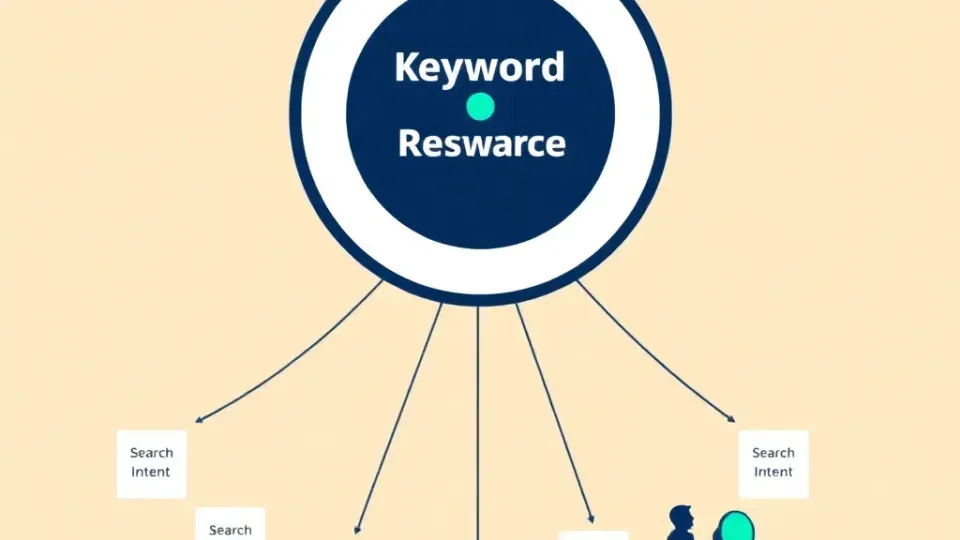
Keyword research is the process of identifying and analyzing search terms that potential customers use when looking for products, services, or information relevant to your business. For men's brands, this means going beyond generic terms and finding the specific language your audience actually uses.
Here's a practical framework:
- Start with seed keywords — Terms like "men's running shoes," "best men's skincare," or "men's business casual outfits."
- Expand with long-tail variations — "men's running shoes for flat feet," "affordable men's anti-aging serum," "men's business casual summer."
- Analyze competitor keywords — Use tools like Ahrefs, Semrush, or Writora to see what terms competing men's brands rank for.
- Map keywords to intent — Categorize each keyword as informational, navigational, commercial, or transactional.
For deeper techniques on discovering high-value terms in male-oriented niches, check out our guide on keyword research strategies.
Understanding Male Search Intent and Behavior
Male audience search intent refers to the underlying goal behind searches performed by male users. Research and audit data reveal several patterns:
- Direct, solution-oriented language — Men tend to search for specific fixes ("how to remove beard dandruff") rather than broad explorations.
- Comparison and "best of" queries — Terms like "best men's watch under $500" or "Breitling vs. Omega" signal comparison shopping with purchase intent.
- Brand-aware searches — Male audiences in niches like automotive, tech, and fashion often include brand names in their queries earlier in the funnel.
A common mistake I see is men's brands targeting only broad, high-volume keywords like "men's shoes" (extremely competitive, vague intent) instead of long-tail keywords with clear commercial intent like "men's waterproof hiking boots Gore-Tex" (lower competition, higher conversion potential).
Community discussions on Reddit's SEO and men's fashion subreddits consistently echo this: brands that win organic traffic are the ones targeting specific, intent-rich queries rather than fighting for vanity keywords.
On-Page SEO: Optimizing Content for Men's Topics and Products
On-page SEO is the optimization of individual web pages to rank higher and earn more relevant traffic. This includes title tags, meta descriptions, headings, content quality, and internal linking. For men's brands, on-page optimization is where your audience research translates into rankings.
Title Tags, Meta Descriptions, and Heading Structure
- Title tags should include your primary keyword and be under 60 characters. Example: "Best Men's Leather Boots for Work | Brand Name"
- Meta descriptions should be 150–160 characters, include a keyword variation, and feature a clear value proposition. Think of this as your ad copy in search results.
- Heading structure should follow a logical H2 → H3 hierarchy. Each H2 represents a major topic; each H3 breaks it into actionable subtopics.
Content quality matters more than keyword stuffing. Google's helpful content system rewards pages that demonstrate genuine expertise. For a men's grooming brand, that means product pages should include ingredient breakdowns, usage instructions, and honest comparisons—not just marketing copy.
AI-powered tools like Writora can streamline this process by clustering related keywords and generating optimized content drafts, so you can focus on adding the human expertise layer that search engines reward. For more on how AI is transforming content optimization, see our guide on AI SEO optimization.
Building Authority: Link Building and Backlink Strategy for Men's Sites

Backlinks (inbound links from external websites) remain one of the strongest ranking signals. For men's brands operating in competitive niches, a deliberate link-building strategy is non-negotiable.
Practical approaches that work for men's brands:
- Product reviews and roundups — Pitch your products to men's lifestyle publications (GQ, Men's Health, Gear Patrol). A single feature can generate dozens of referring domains.
- Data-driven content — Publish original research or surveys about men's habits, spending patterns, or preferences. Journalists and bloggers link to original data.
- Guest contributions — Write expert articles for industry blogs in your niche. A fitness supplement brand contributing to a bodybuilding blog earns relevant, authoritative links.
- Community engagement — Active participation in Reddit communities (r/malefashionadvice, r/fitness, r/SEO) builds brand awareness and can generate organic backlinks when your content genuinely helps.
After years of working with men's e-commerce brands, I've found that quality consistently outperforms quantity in link building. Ten links from relevant, authoritative men's publications outweigh 100 links from generic directories. Explore our detailed guide on link building for authority for step-by-step outreach tactics.
Technical SEO Essentials You Cannot Ignore

Technical SEO covers backend optimizations that improve a website's crawlability, indexability, and performance. Google's official documentation on Core Web Vitals confirms that page load speed, interactivity, and visual stability are direct ranking factors.
Here's what men's brands must get right:
| Technical Factor | Why It Matters | Target Benchmark | |---|---|---| | Page load speed | Slow pages increase bounce rates; Google uses speed as a ranking signal | Under 2.5 seconds (LCP) | | Mobile responsiveness | Over 60% of men's fashion searches happen on mobile | Pass Google's Mobile-Friendly Test | | XML sitemap | Ensures search engines can discover all your pages | Updated and submitted to Search Console | | Structured data | Enables rich snippets (reviews, prices, availability) | Product, FAQ, and Article schema | | HTTPS | Security is a confirmed ranking factor | SSL certificate active site-wide |
A common audit finding I encounter with men's brands is poor mobile experience. Many men's clothing and grooming sites have desktop-first designs with images that aren't optimized for mobile, leading to slow load times and high bounce rates. Fix this first—it often delivers the fastest ranking improvements.
For a comprehensive walkthrough, use our technical SEO audit checklist.
Content Strategy That Resonates With Male Audiences
Effective male audience SEO optimization requires content that matches how men consume information online. Based on industry data and direct campaign results, here's what works:
- Problem-solution format — Men search for answers to specific problems. Structure content as "Problem → Solution → Recommended Product/Action."
- Comparison content — "Brand A vs. Brand B" articles capture high-intent search traffic and convert well.
- Concise, scannable formatting — Short paragraphs, bullet points, clear headings. Male readers on average spend less time on page but convert at higher rates when content is direct.
- Video and visual content — Men's lifestyle and fitness niches see strong engagement with embedded video tutorials and product demos.
Real-world example: A men's fashion e-commerce brand I worked with restructured their blog from generic "style tips" articles to specific comparison posts ("Uniqlo vs. J.Crew Oxford Shirts: Which Is Better?"). Within six months, organic traffic from blog content increased by 185%, and product page conversions from blog referrals nearly tripled.
AI tools are reshaping how brands produce this content at scale. Platforms like Writora use keyword clustering to identify content gaps and generate draft articles aligned with search intent, letting your team focus on adding genuine product expertise and brand voice.
Measuring SEO Performance: Metrics That Matter
You can't improve what you don't measure. Key metrics for men's SEO include:
- Organic traffic — Total visitors from unpaid search (Google Analytics)
- Keyword rankings — Track top 10 and top 3 positions for target keywords (Ahrefs, Semrush, or Google Search Console)
- Click-through rate (CTR) — Percentage of impressions that result in clicks; aim for above 3% for branded terms
- Conversion rate — Percentage of organic visitors who complete a desired action (purchase, signup, inquiry)
- Backlink quality and quantity — Monitor referring domains and domain authority
- Page load speed — Core Web Vitals scores via PageSpeed Insights
- ROI — Compare organic revenue against SEO investment (content, tools, agency fees)
Track these monthly. Most SEO improvements begin showing measurable results within 3–6 months, though competitive men's niches (fashion, fitness, tech) may take 6–12 months for significant movement on high-volume keywords.
SEO Mistakes Men's Brands Make and How to Avoid Them
| Common Mistake | Why It Hurts | How to Fix It | |---|---|---| | Targeting only broad keywords | Impossible to compete; low conversion rates | Focus on long-tail keywords with commercial intent | | Ignoring mobile optimization | Majority of traffic is mobile; poor UX tanks rankings | Implement responsive design; optimize images | | Thin product descriptions | Google's helpful content system penalizes low-value pages | Add 300+ words of unique, expert-level product info | | No internal linking strategy | Search engines can't discover or prioritize pages | Link related products, categories, and blog posts | | Neglecting content freshness | Outdated content loses rankings over time | Audit and update key pages quarterly | | Skipping structured data | Missing rich snippet opportunities in SERPs | Implement Product, FAQ, and Review schema |
SEO for Men's Sites: Practical Checklist and Next Steps
Use this checklist to audit and improve your site starting today:
- [ ] Keyword audit — Identify 20–30 high-intent keywords specific to your men's niche
- [ ] On-page optimization — Update title tags, meta descriptions, and H2s for top 10 landing pages
- [ ] Content gap analysis — Find comparison and problem-solution topics competitors aren't covering
- [ ] Technical audit — Run Core Web Vitals, mobile-friendly test, and fix critical issues
- [ ] Schema markup — Add Product, FAQ, and Article structured data
- [ ] Link building plan — Identify 10 relevant publications for outreach this quarter
- [ ] Content calendar — Plan 4–8 pieces of SEO-optimized content per month
- [ ] Analytics setup — Confirm Google Analytics 4 and Search Console are tracking correctly
- [ ] Monthly reporting — Track organic traffic, rankings, CTR, and conversion rate
- [ ] AI tool integration — Use platforms like Writora for keyword clustering and content generation to accelerate output
For a deeper look at how search is evolving and what men's brands should prepare for, explore our guide on SEO in 2026.
Frequently Asked Questions
What is the difference between general SEO and SEO for men's brands? The core principles are identical—keyword optimization, technical improvements, quality content, and authority building. The difference is in application: SEO for men's clothing, grooming, fitness, and lifestyle brands requires targeting male-specific search intent, using the direct language men actually search with, and competing within male-dominated SERPs.
Who are the best SEO experts for men's niches? The best SEO experts combine technical expertise, proven track records in specific niches, and a data-driven approach. For men's brands, look for specialists with experience in e-commerce, men's fashion, fitness, automotive, or lifestyle sectors. Leading platforms like Search Engine Land, Moz, and communities like Reddit's r/SEO feature case studies and expert profiles worth exploring.
What's the most important SEO factor for men's sites? Relevant, intent-matched content backed by solid technical fundamentals. You can have perfect technical SEO, but without content that answers what your male audience is actually searching for, rankings won't follow.
How long does it take to see SEO results for a men's business? Most improvements begin showing results within 3–6 months. Competitive niches may take 6–12 months. Consistency matters more than speed—sustained optimization, quality content, and authority building compound over time.
What tools should I use for SEO research and tracking? Google Search Console (free), Google Analytics 4 (free), Ahrefs or Semrush (paid), and Writora for keyword clustering and AI-powered content creation. Start with the free tools and add paid platforms as your SEO program matures.
Final Thoughts
Effective SEO for men comes down to four pillars: targeted keyword research that matches male search behavior, on-page optimization that delivers value, authority building through quality backlinks, and technical foundations that keep your site fast and crawlable.
This isn't a separate discipline from general SEO—it's about applying proven tactics with men's SEO strategy precision. Understand how your audience searches, create content that directly answers their questions, and measure everything.
Start with the checklist above. Audit your site this week. If you want to accelerate the process, try Writora's free trial for keyword clustering and AI-assisted content generation. SEO is an ongoing process—the brands that commit to consistent improvement are the ones that dominate organic search in their niche.