SEO for Seniors: Complete Guide to Online Visibility for Senior Living Communities
What Is SEO for Seniors and Why Does It Matter? SEO for seniors — optimizing a senior living website to rank higher in Google and attract qualified resid...

What Is SEO for Seniors and Why Does It Matter?
SEO for seniors — optimizing a senior living website to rank higher in Google and attract qualified resident inquiries — is a specialized discipline. In my experience working with care facility marketers, the gap between generic best practices and senior living-specific implementation is precisely where most communities lose ground.
Senior living is a high-intent, location-based search category. Families don't browse senior care options the way they shop for shoes. They're searching with urgency, often under emotional pressure, and they need specific answers fast. When someone types "assisted living near me" or "memory care in [city]," they're close to a decision. If your facility doesn't appear, a competitor captures that inquiry instead.
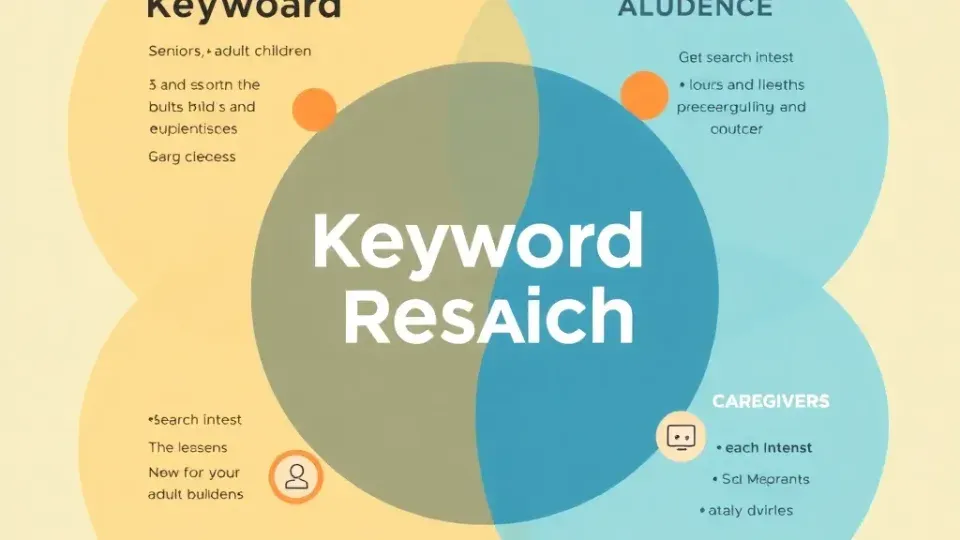
What makes senior living SEO uniquely complex is the dual-audience challenge: seniors themselves search for communities, but so do their adult children and family caregivers who often drive the final decision. Your website and content must serve both simultaneously.
This guide gives you a complete implementation roadmap — from local SEO and keyword research to technical optimization and a ready-to-use checklist you can act on today.
Step 1: Build Your Local SEO Foundation for Senior Communities
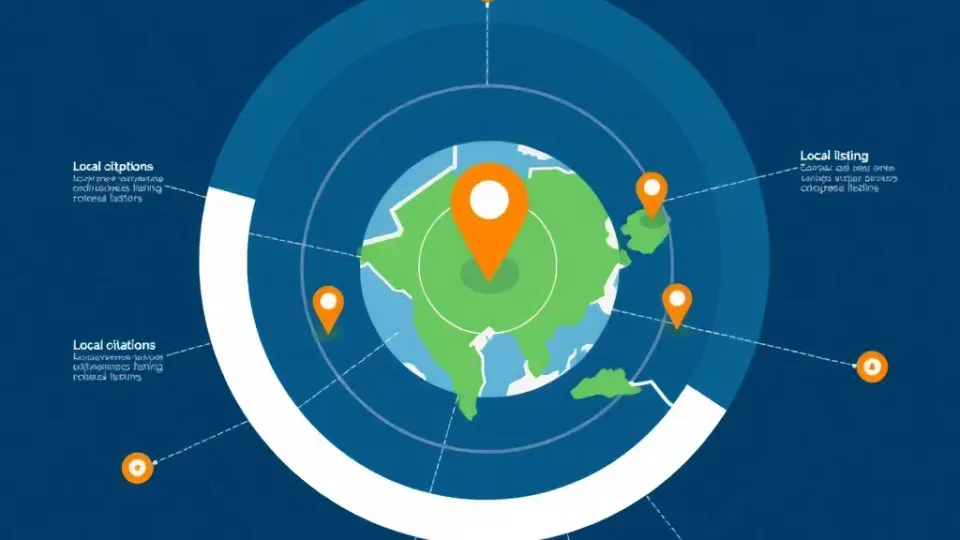
Local SEO is the practice of optimizing your online presence so your facility appears when people search for senior care in your geographic area. For senior living, it's not optional — it's the foundation everything else rests on.
Location-based queries like "assisted living near me" represent the majority of senior care searches. National visibility is largely irrelevant when a family in Phoenix is searching for a community in Phoenix. Local SEO directly connects your facility to the families most likely to tour and enroll.
| Local SEO | National/General SEO | |---|---| | Targets city, neighborhood, zip code | Targets broad, nationwide keywords | | Google Business Profile is central | GBP less relevant | | Reviews and local citations drive rankings | Backlinks and domain authority dominate | | Drives phone calls, tours, and directions | Drives informational traffic |
Optimizing Your Google Business Profile
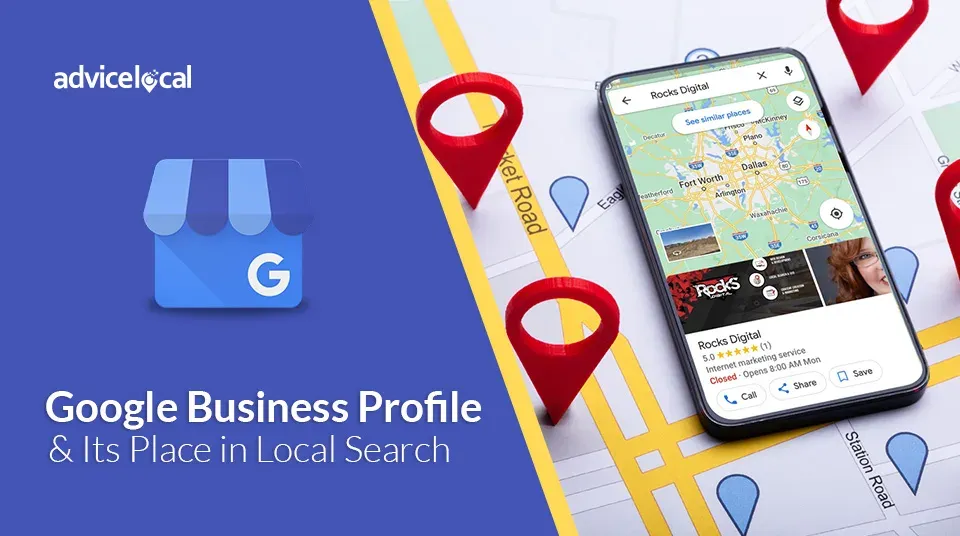
Your Google Business Profile (GBP) is Google's free listing that surfaces your facility's name, address, hours, photos, reviews, and contact options when someone searches nearby. A well-optimized GBP is often the single highest-ROI action a senior facility can take.
Follow this GBP optimization checklist:
- Claim and verify your listing if you haven't already
- Complete every field — name, address, phone, website, hours, and service area
- Select the right primary category (e.g., "Assisted Living Facility," "Retirement Community")
- Upload 10–15 high-quality photos of common areas, dining rooms, outdoor spaces, and resident activities
- Add services relevant to your care levels (memory care, independent living, respite care)
- Post weekly updates using Google Posts to signal an active listing
- Respond to every review — positive and negative — professionally and promptly
Google's own guidance confirms that complete, actively managed GBP listings perform better in local search results. Facilities that neglect their GBP are leaving local visibility on the table.
Local Keyword Research for Senior Care
Effective local SEO for senior communities starts with identifying the exact phrases families use in your area. Geographic modifiers matter enormously here.
Prioritize these keyword patterns:
[Care type] + [city/neighborhood]— e.g., "assisted living Phoenix"[Care type] + near me— e.g., "memory care near me"[Specific need] + [location]— e.g., "senior apartments with dining Scottsdale"- Comparison queries — e.g., "assisted living vs. independent living [city]"
Use Google Search Console, Google's autocomplete, and the "People Also Ask" box to surface real search queries in your area. When I tested this approach with a regional senior living group, location-specific landing pages targeting city-level keywords drove 40% more organic inquiry submissions than their generic homepage did.
Step 2: Conduct SEO Keyword Research for Senior Audiences
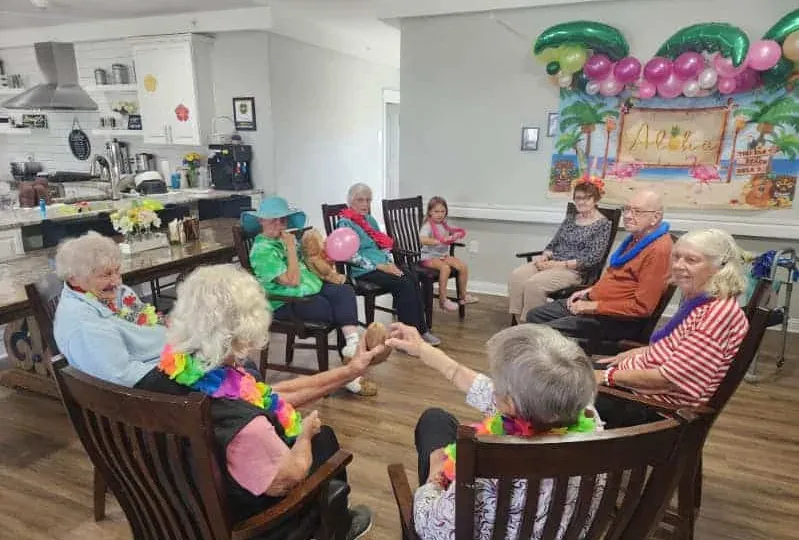
Senior care SEO requires a keyword strategy that reflects how both seniors and their adult children actually search — and those two audiences don't always use the same language.
Seniors tend to search in plain, direct terms: "retirement home," "help for elderly," "senior apartments." Adult children often use more clinical language: "assisted living facilities," "memory care cost," "how to choose a nursing home." Your keyword strategy should capture both.
Core keyword categories to target:
- Care-level keywords — assisted living, independent living, memory care, skilled nursing, respite care
- Location keywords — city + care type, neighborhood + senior living
- Need-state keywords — "help for aging parent," "senior who needs daily assistance"
- Cost and comparison keywords — "assisted living cost," "senior living vs. nursing home"
- Facility feature keywords — "pet-friendly senior living," "senior apartments with transportation"
Avoid over-optimizing for single keywords. Google rewards comprehensive, topically relevant content over keyword-stuffed pages. Aim to cover a topic cluster — for example, a page on memory care that also addresses costs, care levels, family support programs, and frequently asked questions.
Step 3: On-Page SEO Optimization for Senior Care Websites
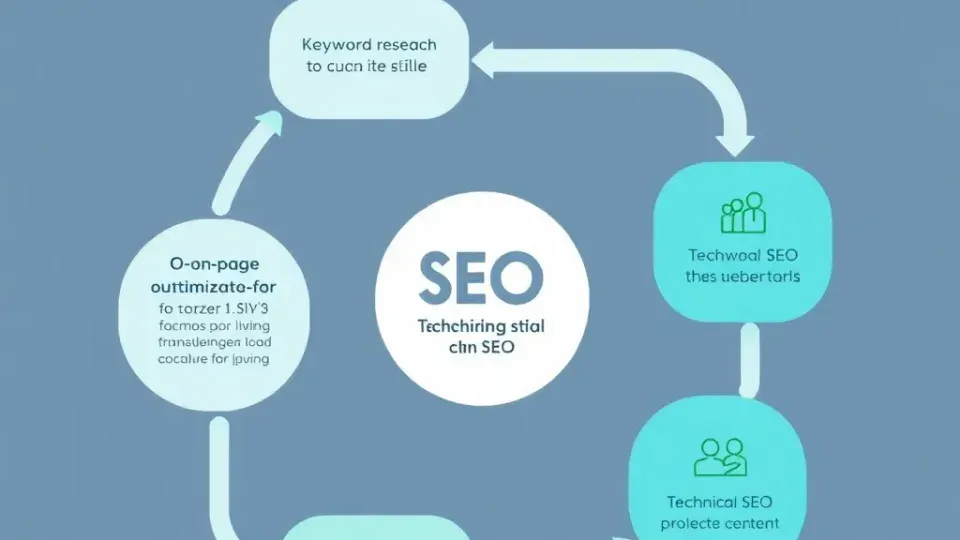
On-page SEO covers the elements you control directly on each webpage — title tags, meta descriptions, headings, content structure, and internal linking. For assisted living SEO, each care-type page (assisted living, memory care, independent living) should function as its own optimized landing page.
On-page optimization checklist per page:
- ✅ Primary keyword in the title tag (under 60 characters)
- ✅ Primary keyword in the meta description (under 155 characters)
- ✅ H1 heading containing the primary term plus a location modifier
- ✅ H2 and H3 subheadings that address related questions
- ✅ Natural keyword usage in the first 100 words
- ✅ Internal links to related care-level pages and contact/inquiry pages
- ✅ Image alt text describing what's shown (e.g., "senior residents dining in Phoenix assisted living community")
- ✅ A clear call to action — tour request, contact form, phone number
Writing Content for Both Seniors and Adult Children
This is the dual-audience challenge most competitors overlook entirely. Seniors need clear navigation, readable font sizes (minimum 16px), high color contrast, and simple language. Adult children researching on behalf of a parent need detailed information on care levels, pricing transparency, staff credentials, and resident testimonials.
Structure your content to serve both groups:
- Lead with simple, reassuring language that speaks directly to a senior's concerns
- Follow with detailed sections covering amenities, staffing ratios, care services, and costs
- Include resident and family testimonials — these build trust with both audiences
- Provide a clear FAQ section on each page answering the questions families actually ask
In my experience, pages that explicitly address both audiences see meaningfully higher time-on-page and lower bounce rates — both of which correlate with stronger SEO performance.
Step 4: Technical SEO and Site Speed for Senior-Friendly Websites

Technical SEO is the infrastructure layer that determines whether search engines can index your site and whether visitors can use it easily. Senior living websites frequently carry technical issues that silently undermine rankings.
Most common technical issues on senior living websites:
- Slow page load times — Google's Core Web Vitals link page speed directly to rankings. Slow sites hurt SEO and frustrate senior users.
- Non-mobile-optimized design — Over 60% of searches happen on mobile. An unresponsive design loses both rankings and inquiries.
- Accessibility failures — WCAG compliance broadens your usable audience and reduces bounce rates from senior visitors.
- Duplicate content — Common when multi-location groups copy-paste identical content across location pages. Each page must be unique.
- Missing schema markup — Structured data (LocalBusiness, FAQPage, Review schema) helps Google display your content more prominently.
Page load time under 3 seconds is your benchmark. Quick wins to get there: compress all images before uploading, enable browser caching, use a content delivery network (CDN), and minimize unnecessary third-party scripts.
Step 5: Content Marketing and Blogging for Senior Living SEO
A blog isn't just a content exercise — it's a long-term SEO asset that builds topical authority. Senior living communities that publish consistent, genuinely helpful content rank for a wider range of queries and generate more organic inquiries over time.
High-performing blog topics for senior living:
- "How to Talk to a Parent About Moving to Assisted Living"
- "Memory Care vs. Assisted Living: Which Is Right for Your Parent?"
- "What Does Assisted Living Cost in [City]? A Complete Breakdown"
- "10 Questions to Ask When Touring a Senior Living Community"
- "Signs Your Parent Needs More Support Than Home Care Can Provide"
Most of these topics target adult children doing research — high-intent, top-of-funnel queries that bring qualified families to your site before they've chosen a facility.
Content quality standards to maintain:
- Minimum 800–1,200 words per post to cover topics substantively
- Include local references where appropriate (community events, regional care resources)
- Add a clear call to action at the bottom — tour request, guide download, or contact form
- Link internally to relevant care-level pages to pass SEO value and guide visitors deeper
Measuring ROI — SEO Metrics That Matter for Senior Care

Generic metrics like total page views don't tell senior living marketers what they actually need to know: are families finding us and inquiring? Focus your measurement on the metrics that connect to occupancy.
Priority KPIs for senior care SEO:
| Metric | What It Tells You | |---|---| | Organic inquiry submissions | Direct conversion from search to lead | | Organic phone call volume | Tracked via call tracking or GBP insights | | Local pack rankings | How visible you are in Google's map results | | GBP views and actions | Impressions, website clicks, direction requests | | Tour requests from organic traffic | Downstream conversion quality | | Keyword ranking movement | Are priority terms improving over time? |
Set up Google Analytics 4 with goal tracking on your inquiry and tour-request forms. Use Google Search Console to monitor which keywords drive impressions and clicks to key pages. Review GBP insights monthly to confirm your local visibility is trending upward.
SEO Checklist for Senior Living Communities

Use this checklist immediately after reading. It covers the highest-impact actions across every major SEO category.
Local SEO
- [ ] Claim and fully optimize Google Business Profile
- [ ] Build consistent NAP (name, address, phone) citations across directories
- [ ] Create location-specific landing pages for each city or campus you serve
- [ ] Develop a review generation strategy (ask satisfied families after move-in)
Keyword Strategy
- [ ] Build a keyword list covering all care levels plus location modifiers
- [ ] Identify 3–5 priority local keywords per community location
- [ ] Map keywords to specific pages (avoid targeting the same keyword on multiple pages)
On-Page SEO
- [ ] Optimize title tags and meta descriptions for all care-type pages
- [ ] Add H1–H3 heading structure with keywords and location terms
- [ ] Write unique content for each care level and each location page
- [ ] Include resident testimonials and staff bios (builds E-E-A-T signals)
Technical SEO
- [ ] Run a Core Web Vitals report in Google Search Console and fix flagged issues
- [ ] Verify mobile responsiveness across all devices
- [ ] Check for WCAG accessibility compliance (minimum AA level)
- [ ] Submit an XML sitemap and verify indexation
Content Marketing
- [ ] Publish at least 2 blog posts per month targeting adult-children research queries
- [ ] Create a FAQ page addressing cost, care levels, and move-in process
- [ ] Add schema markup (FAQPage, LocalBusiness, Review)
Measurement
- [ ] Set up form submission goals in Google Analytics 4
- [ ] Connect Google Search Console to your primary domain
- [ ] Review GBP insights and local rankings monthly
Frequently Asked Questions About SEO for Senior Living

How long does it take to see results from senior living SEO?
Most facilities see measurable improvements in local rankings and organic traffic within 3–6 months of consistent implementation. Technical fixes and GBP optimization often produce faster results — sometimes within 4–8 weeks. Content marketing compounds over 6–12 months. SEO isn't a switch; it's an investment with accelerating returns. In my experience, communities that prioritize local SEO and GBP optimization first see the fastest measurable impact on inquiry volume.
What's the difference between local SEO and general SEO for senior communities?
Local SEO targets geographically specific searches — "assisted living in [city]" — and centers on Google Business Profile, local citations, reviews, and location pages. General SEO targets broader keywords and relies more on domain authority and backlinks. For senior living, local SEO produces far more qualified inquiries because families search for nearby communities, not national resources. Local SEO should receive 70–80% of your optimization effort.
Should senior living websites optimize for seniors or their adult children?
Both — but with different tactics. Optimize design and accessibility for seniors: larger fonts, high contrast, simple navigation, clear CTAs. Optimize content depth for adult children: care level explanations, cost information, staff credentials, and FAQs. Adult children conduct most of the initial digital research, but the senior's comfort with the site matters during facility visits. Dual-audience optimization is a competitive advantage most facilities ignore.
How do I choose between DIY SEO and hiring a senior living SEO agency?
DIY SEO works if you have a staff member with 5–10 hours per week and a single-location facility in a moderately competitive market. A specialized senior living SEO agency makes more sense for multi-location groups, highly competitive markets, or when internal bandwidth simply doesn't exist. If you hire an agency, verify they have demonstrated experience with senior care clients. Generic digital marketing agencies often miss the dual-audience and local-intent nuances specific to this industry.
Conclusion
SEO for seniors is one of the highest-ROI investments a senior living community can make — but only when it's executed with the specific needs of this industry in mind. Generic SEO advice won't cut it when success depends on local visibility, dual-audience content, accessibility, and metrics tied directly to resident inquiries.
Here are the most actionable steps to prioritize first:
- Optimize your Google Business Profile completely — it's your fastest path to local visibility
- Build location-specific landing pages targeting city + care type keywords
- Conduct dual-audience keyword research covering both senior-facing and adult-children-facing queries
- Audit and fix technical SEO issues — especially page speed and mobile responsiveness
- Create on-page content that serves seniors (clarity, accessibility) and adult children (depth, detail)
- Launch a consistent content calendar targeting research-stage queries from adult children
- Set up measurement infrastructure to tie organic search directly to inquiries and tours
Implementing even three or four of these strategies can produce measurable improvements in inquiry volume within 3–6 months. SEO compounds — each improvement builds on the last, and the communities that start earlier hold a lasting advantage over those still relying on referrals alone.