SEO Fundamentals: A Complete Guide to Search Engine Optimization Basics in 2026
What Are SEO Fundamentals? Definition and Core Purpose SEO fundamentals are the core practices of optimizing websites to improve visibility in organic se...

What Are SEO Fundamentals? Definition and Core Purpose
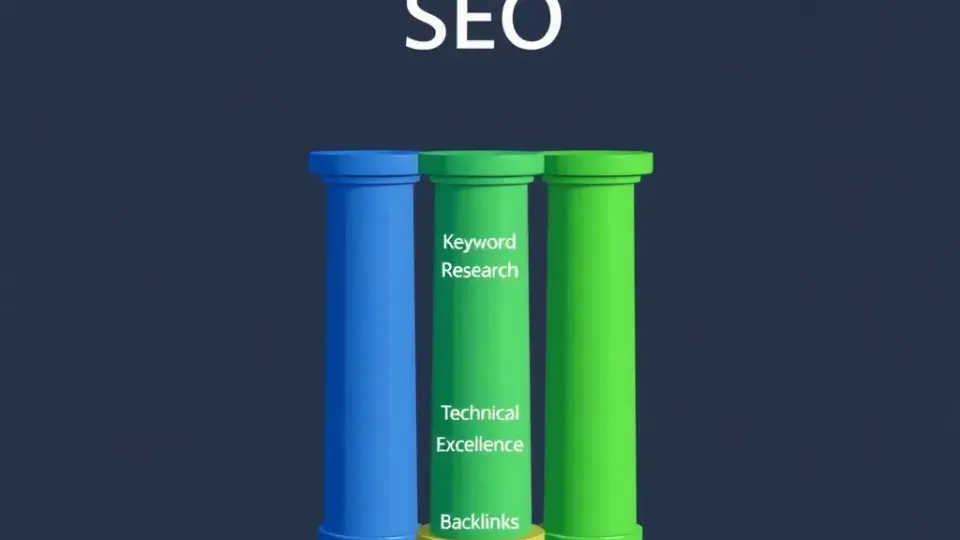
SEO fundamentals are the core practices of optimizing websites to improve visibility in organic search engine results. At their foundation, SEO fundamentals consist of four interconnected pillars: keyword research, on-page optimization, technical excellence, and building external authority through backlinks. When executed together, these pillars drive measurable increases in organic traffic, reduce customer acquisition costs, and build long-term competitive advantages in search rankings.
In my experience working with content teams over the past several years, I've observed that organizations underestimating the importance of fundamentals often struggle with tactical inconsistency. They chase algorithm updates or trending tactics without a solid foundation, only to see their efforts fail. Conversely, teams that invest time in understanding how search engines work and what users actually need tend to see sustainable growth, even through algorithm shifts.
SEO is not a one-time project—it's an ongoing discipline that compounds over time. A well-optimized website page can rank for months or years with minimal maintenance, generating consistent traffic. This makes SEO uniquely cost-effective compared to paid advertising, where traffic stops the moment you stop spending.
Why SEO Matters in 2026: Evolution, Not Death
A common misconception I encounter is the question: "Is SEO dead in 2026?" The answer is unequivocally no—SEO is evolving. The fundamental goal of search engines remains unchanged: connect users with the most relevant, helpful, and authoritative content. What has changed is how search engines measure relevance and quality.
In 2026, Google's algorithms increasingly prioritize user intent alignment, Core Web Vitals and user experience signals, and detection of authentic, helpful content. The rise of AI-generated content has forced search engines to emphasize genuine expertise and trustworthiness more than ever. Simultaneously, the integration of AI into search results (Google's AI Overviews and similar features) means that SEO success now requires not just ranking in traditional organic results, but also appearing in AI-powered answer formats.
For businesses and publishers, this evolution means SEO fundamentals remain non-negotiable. Organic search traffic still accounts for roughly 50-60% of website traffic across industries, making it the dominant channel for discoverability. The barrier to entry remains low—anyone can start learning and implementing SEO basics—but the competition for top rankings has intensified, requiring disciplined execution of fundamentals.
How Search Engines Work: Crawl, Index, and Rank
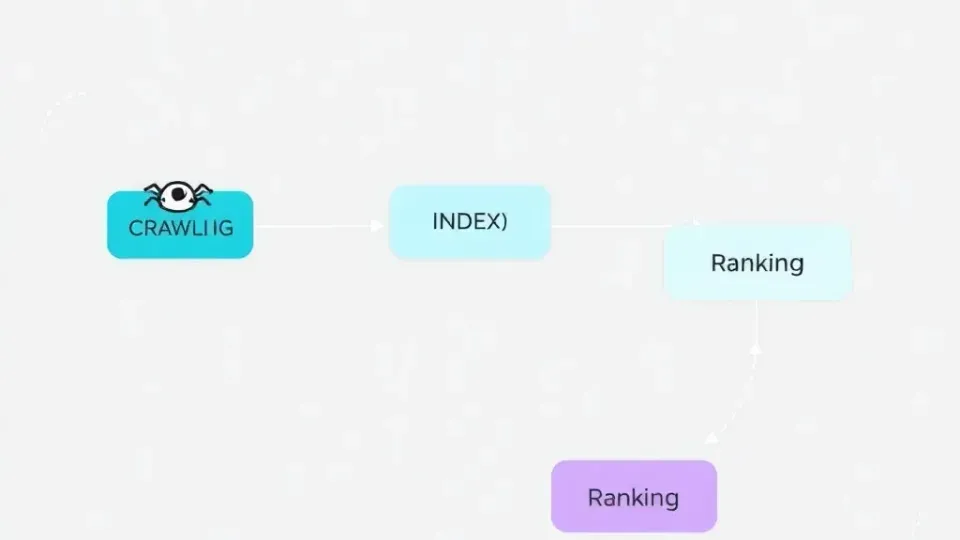
To master SEO fundamentals, you must first understand how search engines operate. Google and other search engines follow a three-step process: crawling, indexing, and ranking.
Crawling is the discovery phase. Google deploys automated bots called "crawlers" or "spiders" that navigate the web by following links from page to page. These crawlers request your web pages, download the HTML, CSS, JavaScript, and other resources, and analyze the content. The crawler respects instructions in your robots.txt file and meta robots tags, which tell it which pages to crawl and which to skip.
Indexing comes next. After crawling, Google processes what it discovered and stores information about your pages in its index—a massive database of web content. During indexing, Google analyzes page content, extracts keywords, identifies structured data (like schema markup), and determines the page's topic. If a page is not indexed, it cannot rank in search results, making indexability a critical technical SEO concern.
Ranking is the final step. When a user submits a search query, Google's algorithm evaluates all indexed pages containing relevant content and ranks them by perceived relevance and quality. Hundreds of ranking factors are considered, but the most impactful fall into three categories: relevance (does your content match the search query and user intent?), authority (does your domain and page have credibility and trust?), and user experience (does your page load fast, render well on mobile, and keep users engaged?).
The Role of Algorithms and User Signals
Modern search algorithms blend explicit ranking signals (factors Google can directly measure) with user behavior signals (implicit measures of satisfaction). Title tags, meta descriptions, keyword density, and content length are explicit signals. Click-through rate (CTR), dwell time (how long users stay on your page), scroll depth, and bounce rate are user signals that indicate whether your page satisfied the searcher's intent.
In 2026, Google's systems increasingly weight topical authority and E-E-A-T (Experience, Expertise, Authoritativeness, Trustworthiness) over pure keyword matching. This means a page ranking well must not only contain relevant keywords but also demonstrate genuine knowledge and credibility. For medical, financial, or legal content—termed "Your Money or Your Life" (YMYL) content—the bar is even higher.
Keyword Research: Foundation of SEO Strategy
Effective keyword research is the foundation of every successful SEO strategy. It answers three critical questions: What topics does your audience search for? What words do they use to express their needs? How much competition exists for those terms? Without keyword research, you risk optimizing for terms nobody searches for or pursuing keywords so competitive that ranking becomes unrealistic.
Understanding Search Intent and User Behavior
Before selecting keywords, you must understand search intent—the underlying goal or reason behind a user's search. Search intent is classified into four categories:
- Informational intent: The user wants to learn something or find information. Example: "What are SEO fundamentals?" or "How does Google rank pages?"
- Navigational intent: The user wants to find a specific website or brand. Example: "Google Search Console" or "Writora login."
- Transactional intent: The user intends to make a purchase or complete an action. Example: "Buy running shoes online" or "Best SEO tools free trial."
- Commercial intent: The user is researching before making a purchase decision. Example: "Best SEO tools for small businesses" or "SEO certification programs."
Matching your content to the searcher's intent is non-negotiable. A common mistake I see is creating informational content to rank for transactional keywords, or vice versa. If someone searches "best SEO courses," they want a comparison and recommendations, not a 5,000-word explanation of what SEO is.
Keyword research tools like Google Keyword Planner, Ahrefs, Semrush, and Moz provide data on search volume, keyword difficulty, and related terms. When conducting keyword research, target a mix of:
- Head keywords: Short, high-volume, highly competitive terms (e.g., "SEO")
- Intermediate keywords: Medium volume and difficulty (e.g., "SEO fundamentals")
- Long-tail keywords: Specific, lower-volume, often less competitive terms (e.g., "SEO fundamentals for beginners 2026")
Long-tail keywords often convert better because they indicate more specific user intent. In my experience, new websites rank faster for long-tail keywords and can build momentum before tackling more competitive head terms.
On-Page SEO: Title Tags, Meta Descriptions, and Content Optimization
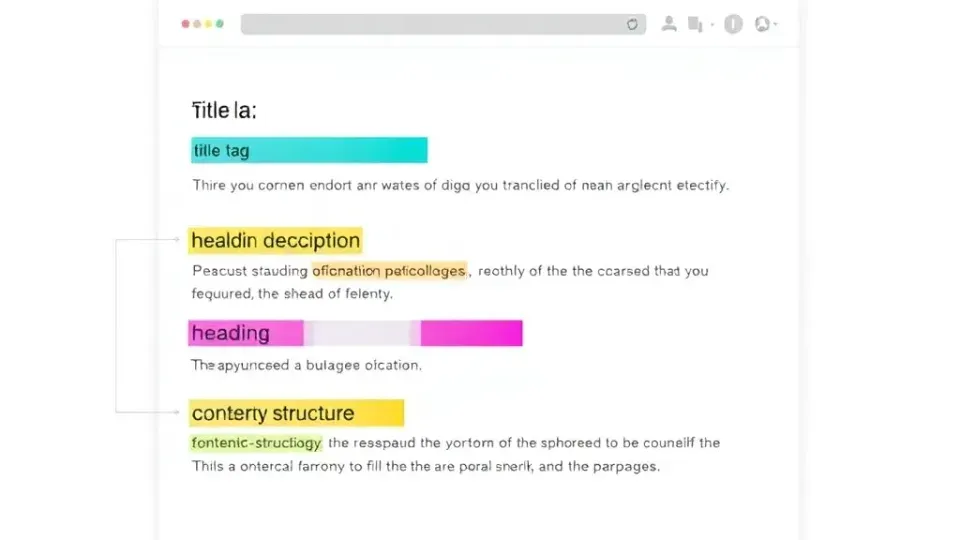
On-page SEO refers to optimization of elements within your website—everything you control directly. It encompasses title tags, meta descriptions, headers, body content, internal links, URL structure, and the overall page layout.
Title Tags and Meta Descriptions
Your title tag is the primary signal of page topic and is the main clickable headline in search results. An effective title tag is:
- Descriptive and specific: Use 50-60 characters to fit in search results without truncation.
- Keyword-forward: Include your primary keyword near the beginning if natural.
- Compelling: Include a benefit or hook to improve click-through rate.
- Unique: No two pages should have identical title tags.
Example: Instead of "Home" or "Blog," use "SEO Fundamentals: Complete Guide to Search Engine Optimization in 2026."
Your meta description is the snippet of text displayed below your title in search results. While not a direct ranking factor, it influences click-through rate. Write meta descriptions that:
- Summarize the page content in 150-160 characters.
- Include your primary keyword naturally.
- Encourage clicks with a clear value proposition.
- Differentiate from competitors.
Example: "Learn SEO fundamentals: keyword research, on-page optimization, technical SEO, and link building. Master the basics to boost organic traffic in 2026."
Content Optimization and Keyword Placement
High-ranking pages deliver content that precisely answers the user's query. When optimizing content for SEO fundamentals, follow these practices:
- Use headers strategically: Organize content with H2 and H3 headers that incorporate relevant keywords and guide the reader through logical sections.
- Front-load key information: Place your primary keyword and core message in the first 100-200 words; many readers and AI systems scan only the introduction.
- Match search intent: If the top-ranking competitor pages are how-to guides, create a how-to guide, not a definition article. Search results reflect what Google believes satisfies the intent.
- Include related terms naturally: Use semantic variations and long-tail keywords throughout (e.g., "on-page optimization," "on-page SEO tactics," "page optimization") to reinforce topical relevance without forced keyword stuffing.
- Optimize images with alt text: Alt text serves users with visual impairments and helps search engines understand images. Use descriptive, keyword-inclusive alt text: "SEO fundamentals checklist showing four pillars" rather than "image123.jpg."
In my experience, pages that rank well in 2026 tend to range from 2,000 to 4,000 words for competitive, informational keywords, but depth alone does not guarantee rankings. Quality, usefulness, and answering follow-up questions within the content matter more than word count alone.
Internal Linking Strategy
Internal links serve two purposes: they help search engines crawl and understand your site structure, and they distribute authority and relevance across pages. When optimizing internal links:
- Use descriptive anchor text: Instead of "click here," use "learn more about keyword research strategy."
- Link to relevant, authoritative pages on your site: Direct readers to supporting content that deepens their understanding.
- Maintain reasonable link density: Too many internal links dilute link equity; 5-10 contextual internal links per page is typically sufficient.
Technical SEO Essentials: Speed, Mobile, Indexing, and Crawlability
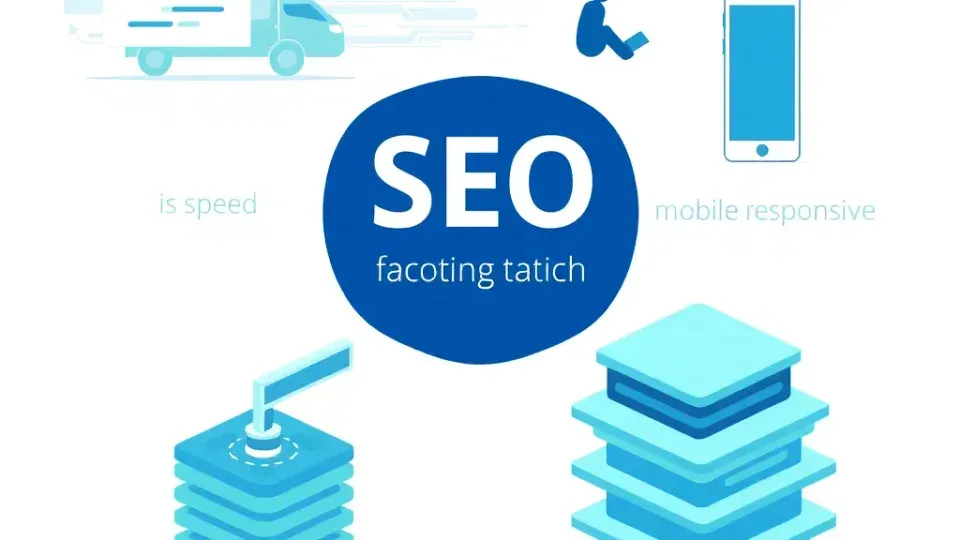
Technical SEO optimizes the backend infrastructure of your website—server response time, site architecture, mobile rendering, crawlability, and indexability. While it lacks the immediate visibility of on-page optimization, technical SEO is the foundation upon which on-page efforts stand.
Site Speed and Core Web Vitals
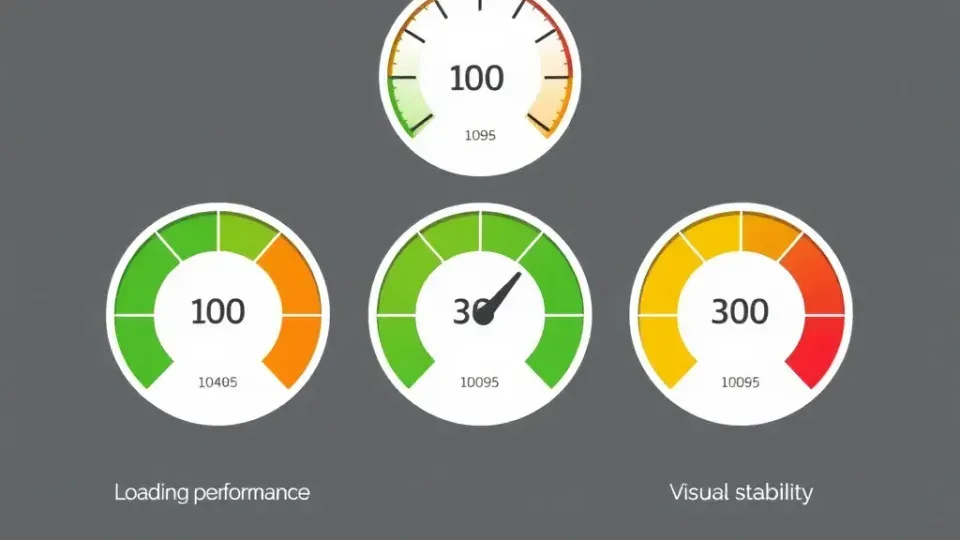
Page speed is both a user experience factor and a confirmed Google ranking factor. Slow pages lose users; studies show that a one-second delay can reduce conversions by 7% or more. Google measures page speed through three metrics collectively called Core Web Vitals:
- Largest Contentful Paint (LCP): How quickly the main content loads. Target: under 2.5 seconds.
- First Input Delay (FID): How responsive the page is to user interaction (clicks, taps). Target: under 100 milliseconds. (Note: In 2024, Google began replacing FID with Interaction to Next Paint—INP—in some contexts; monitor Google Search Central for updates.)
- Cumulative Layout Shift (CLS): How much the page layout shifts during loading. Target: under 0.1.
To optimize Core Web Vitals:
- Minimize render-blocking resources: Defer non-critical JavaScript and CSS.
- Optimize images: Use modern formats (WebP), responsive images, and lazy loading.
- Use a Content Delivery Network (CDN): Serve static assets from servers geographically closer to users.
- Upgrade hosting: Ensure your hosting provider offers sufficient server resources and fast response times.
Tools like Google PageSpeed Insights, GTmetrix, and Lighthouse provide free audits. In my experience, improving Core Web Vitals often yields immediate ranking improvements for pages already competitive for their target keywords.
Mobile-Friendliness and Responsive Design
Google has indexed the mobile version of websites first since 2020. Consequently, mobile optimization is non-negotiable. Mobile-friendly requirements include:
- Responsive design: Content should adapt seamlessly to all screen sizes (smartphones, tablets, desktops).
- Readable font sizes: Text should be legible without zooming.
- Adequate spacing: Buttons and links should be large enough to tap accurately.
- Fast mobile load time: Mobile users often operate on slower connections; optimize accordingly.
Test your site's mobile-friendliness with Google's Mobile-Friendly Test tool.
Crawlability and Indexability
For pages to rank, search engines must first discover and index them. Ensure proper crawlability by:
- Creating an XML sitemap: Submit an updated sitemap to Google Search Console so Google knows which pages to crawl.
- Optimizing robots.txt: This file instructs crawlers which pages to prioritize and which to ignore. Avoid accidentally blocking important pages.
- Removing noindex tags: Check that critical pages don't have
<meta name="robots" content="noindex">tags, which prevent indexing. - Fixing crawl errors: Monitor Google Search Console for crawl errors and 404 pages that block discovery.
- Ensuring proper redirects: Use 301 redirects (permanent) when pages move; 302 or temporary redirects don't transfer SEO authority.
Structured Data and Schema Markup
Structured data (schema markup) helps search engines understand your content's meaning. For a blog post, you might use Article schema; for a how-to, HowTo schema; for FAQs, FAQPage schema. Adding schema markup can enhance how your pages appear in search results and may qualify for rich results (star ratings, how-to steps, FAQ accordion, etc.).
Common schema types for SEO fundamentals content include:
- Article: Identifies your page as a news article or blog post.
- FAQPage: Structures Q&A content for featured snippets.
- HowTo: Marks step-by-step instructional content.
- Organization: Identifies your business, location, and contact details.
Use Google's Structured Data Testing Tool to validate your schema markup.
Off-Page SEO and Building Quality Backlinks
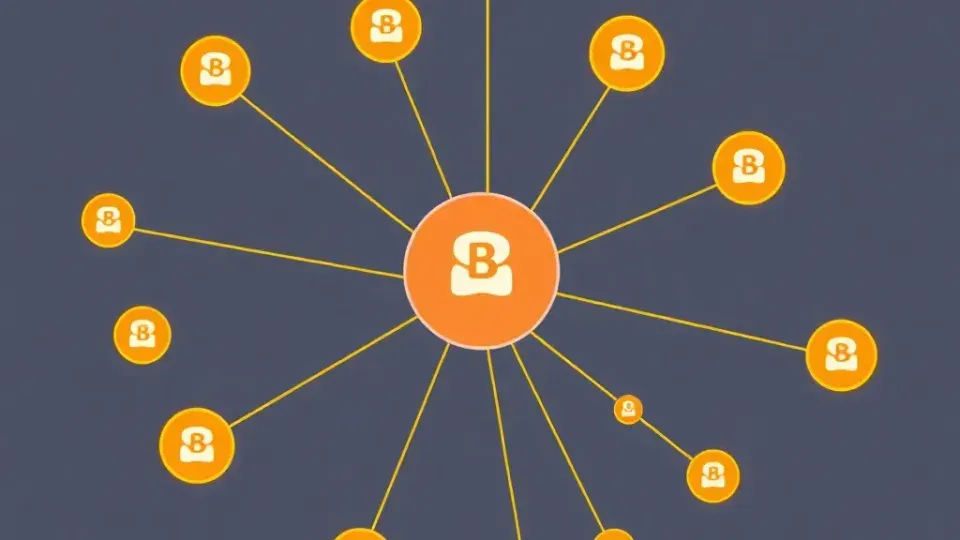
Off-page SEO refers to external signals—primarily backlinks (inbound links from other websites) and brand mentions—that signal to search engines that your website is authoritative and trustworthy. You cannot directly control off-page SEO like you do on-page elements, but you can influence it through strategy.
The Role of Backlinks in Rankings
A backlink is a vote of confidence. When a reputable website links to yours, you inherit some of that site's authority. Backlinks remain one of the top three ranking factors. However, not all backlinks are equal:
- High-authority backlinks from established, relevant websites (e.g., Wikipedia, major publications, industry leaders) carry more weight.
- Contextual backlinks embedded within related content are more valuable than links in a sidebar or footer.
- Backlinks with descriptive anchor text (e.g., "learn about keyword research strategy") help search engines understand the linked page's topic.
- Do-Follow vs. No-Follow: Do-follow links pass authority; no-follow links (marked with
rel="nofollow") do not pass direct SEO benefit but may still drive referral traffic and brand awareness.
Building Quality Backlinks
Earning backlinks requires creating content worth linking to and actively promoting it. Common link-building strategies include:
- Content creation: Publish original research, guides, and resources that naturally attract citations and links.
- Guest posting: Write articles for reputable websites in your industry, including a backlink to your site in the author bio or contextually within the content.
- Broken link building: Find broken links on authority websites in your niche, create superior content on that topic, and reach out to suggest your page as a replacement.
- Digital PR and media outreach: Pitch your story, insights, or data to journalists and bloggers who may mention your brand or website.
- Industry partnerships and directories: Submit your website to relevant industry directories, professional associations, and business listings.
- Skyscraper technique: Identify high-performing competitor content, create a more comprehensive or updated version, and outreach to sites linking to the original.
A common mistake I see is pursuing backlinks indiscriminately or buying links from low-quality directories. Google penalizes unnatural link patterns and paid links that violate webmaster guidelines. Focus on earning links from topically relevant, authoritative sources.
For guidance on advanced link-building tactics, see backlink building tactics.
Core Web Vitals and User Experience as Ranking Factors

User experience has evolved from a soft signal to a concrete ranking factor. Google's Page Experience Update (2021) and continued refinements through 2026 confirm that Core Web Vitals directly impact rankings. But beyond metrics, the overall experience—how a page loads, functions, and keeps users engaged—determines both user satisfaction and search visibility.
Optimizing for User Experience
Beyond Core Web Vitals, consider these UX factors:
- Page layout: Avoid intrusive pop-ups and ads that obscure content. If you use ads, place them in ways that don't create layout shifts or block the main content.
- Content readability: Use short paragraphs, clear headings, bullet points, and plenty of white space. Dense text blocks discourage reading.
- Navigation clarity: Help users understand where they are on your site and how to find related content. A logical site structure and clear navigation menu reduce bounce rates.
- Multimedia engagement: Videos, infographics, and interactive elements can increase dwell time if implemented thoughtfully.
In my experience, pages with poor UX and high bounce rates eventually lose rankings, even if they rank initially based on backlinks and keyword matching. Conversely, pages that keep users engaged compound their authority over time.
For deeper technical guidance, explore Core Web Vitals optimization.
Essential SEO Skills Every Beginner Should Master
If you're new to SEO fundamentals, focus on developing these core competencies:
1. Keyword Research and Intent Analysis
Understand how to use tools like Google Keyword Planner or free alternatives, identify search volume and difficulty, and align keywords with user intent. Start with long-tail keywords and work toward more competitive head terms as your site gains authority.
2. On-Page Content Optimization
Learn to craft compelling title tags and meta descriptions, structure content with clear headings, and incorporate keywords naturally. Understand readability and how to match search intent.
3. Technical Site Auditing
Familiarize yourself with crawling tools like Screaming Frog (free tier) or Google Search Console. Identify and fix common issues: broken links, duplicate content, indexing problems, and page speed issues.
4. Backlink Analysis and Link Building
Learn to use tools like Ahrefs or Moz to analyze your backlink profile and competitors'. Understand the difference between high-quality and low-quality backlinks, and develop outreach strategies.
5. Analytics and Performance Measurement
Master Google Analytics and Google Search Console. Track organic traffic, keyword rankings, conversion rates, and CTR. Use data to inform optimization decisions.
6. Search Engine Behavior and Algorithm Basics
Stay informed on how search engines evolve. Follow Google Search Central Blog, major SEO publications, and industry resources. Understand that SEO fundamentals remain constant, but tactics adapt.
Many professionals pursue SEO fundamentals certifications from Google Digital Garage, Semrush Academy, or HubSpot to formalize these skills. While certifications are not required, they structure learning and provide verifiable credentials.
SEO Fundamentals Checklist: Your Action Plan
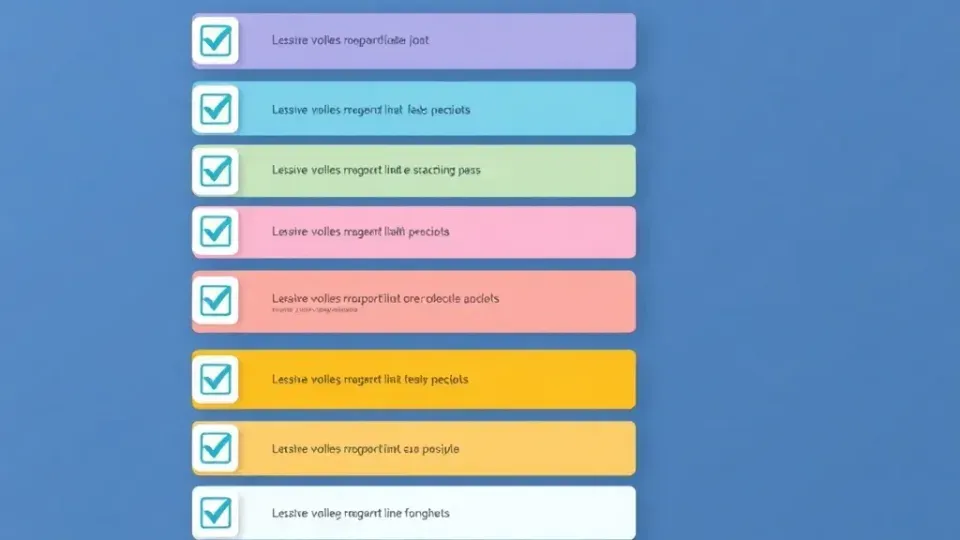
Here's an actionable checklist you can implement immediately to begin optimizing for SEO fundamentals:
Keyword Research Phase
- [ ] Use a keyword research tool to identify 10-15 long-tail keywords relevant to your business or content niche.
- [ ] Analyze search intent for each keyword using Google's top results.
- [ ] Create a keyword targeting spreadsheet with search volume, difficulty, and intent classification.
- [ ] Identify low-competition keywords you can realistically rank for in 3-6 months.
On-Page Optimization Phase
- [ ] For each target keyword, write or optimize a page with a compelling, keyword-forward title tag (50-60 characters).
- [ ] Write a meta description that summarizes the page and encourages clicks (150-160 characters).
- [ ] Structure content with clear H2 and H3 headers incorporating related keywords.
- [ ] Ensure the primary keyword appears in the first 100 words and naturally throughout the content (1-2% density).
- [ ] Add descriptive alt text to all images.
- [ ] Include 5-10 contextual internal links to supporting content on your site.
- [ ] Aim for 2,000+ words of original, high-quality content for competitive keywords.
Technical SEO Phase
- [ ] Test page speed using Google PageSpeed Insights; target a score of 75+ for mobile.
- [ ] Verify Core Web Vitals: LCP < 2.5s, FID/INP < 100ms, CLS < 0.1.
- [ ] Test mobile-friendliness using Google's Mobile-Friendly Test.
- [ ] Create and submit an XML sitemap via Google Search Console.
- [ ] Audit robots.txt to ensure important pages are not blocked.
- [ ] Search for and remove accidental noindex tags from critical pages.
- [ ] Add relevant schema markup (Article, FAQPage, HowTo, Organization).
Off-Page and Authority Building Phase
- [ ] Analyze your current backlink profile using a free tool like Google Search Console or a paid tool (Ahrefs, Semrush).
- [ ] Identify 5-10 high-authority websites in your niche that link to competitors.
- [ ] Create or identify one piece of "link-worthy" content (original research, comprehensive guide, unique tool).
- [ ] Develop a list of 20+ potential link sources: industry directories, relevant blogs, complementary businesses, media outlets.
- [ ] Reach out to 5-10 prospects with a personalized pitch for collaboration, guest posting, or link consideration.
Monitoring and Iteration Phase
- [ ] Set up Google Search Console and Google Analytics to track organic traffic, keywords, CTR, and rankings.
- [ ] Establish a baseline: record current rankings, impressions, and traffic for your target keywords.
- [ ] Set a review cadence: audit performance monthly and adjust strategy based on data.
- [ ] Test on-page and technical improvements; measure impact over 4-8 weeks.
- [ ] Document what works: keep a log of successful tactics and unsuccessful experiments.
Frequently Asked Questions About SEO Fundamentals
What is the fundamental of SEO?
SEO fundamentals are the core practices of optimizing websites for search engine visibility. The four pillars are keyword research (finding terms your audience searches for), on-page optimization (optimizing title tags, content, and structure), technical SEO (ensuring crawlability, speed, and mobile-friendliness), and off-page SEO (building backlinks and authority). Success requires executing all four pillars consistently.
Is SEO dead or evolving in 2026?
SEO is not dead; it is evolving. Search engines increasingly prioritize user intent, authentic expertise, and user experience (Core Web Vitals). AI-generated content detection has made originality and E-E-A-T more critical. Organic search traffic remains the primary source of website discoverability, making SEO fundamentals essential. The key shift is that keyword optimization alone is insufficient; content must genuinely help users and demonstrate credibility.
What are basic SEO skills I need to learn?
Basic SEO skills include:
- Keyword research and intent analysis
- On-page content optimization (title tags, meta descriptions, headers, content structure)
- Technical site auditing (crawl errors, speed, mobile-friendliness, indexability)
- Backlink analysis and link-building strategy
- Analytics and measurement (Google Search Console, Google Analytics)
- Understanding search engine behavior and algorithm principles
Start with keyword research and on-page optimization; add technical skills and link-building as you progress. Many resources and certification programs offer structured learning paths in these areas.
How long does it take to see SEO results?
SEO results typically appear within 3-6 months for new website optimizations or established sites with significant changes. Competitive keywords may take 6-12 months or longer. Factors affecting timeline include:
- Domain age and authority: New domains rank slower than established domains.
- Keyword competition: Less competitive, long-tail keywords rank faster.
- Content quality and relevance: High-quality content gains traction more quickly.
- Technical foundation: Sites with solid technical SEO see results faster than those with crawl or speed issues.
Results compound over time. Consistent optimization builds momentum; early rankings create content authority that makes future rankings easier.
What is the difference between on-page and off-page SEO?
On-page SEO involves optimizing elements within your website: title tags, meta descriptions, headers, body content, internal links, URL structure, page speed, and mobile-friendliness. You have direct control over these factors.
Off-page SEO refers to external signals: backlinks from other websites, brand mentions, social signals, and domain authority. You cannot directly control off-page signals, but you can influence them through content quality, outreach, and brand building. Both are necessary for strong rankings; ignoring either limits your potential.
Implementing SEO Fundamentals: Tools and Platforms
While many SEO fundamentals can be learned and applied without paid tools, leveraging software accelerates progress. Here are key tool categories:
Keyword Research: Google Keyword Planner (free), Ahrefs, Semrush, Moz, Ubersuggest
Site Auditing and Technical SEO: Google Search Console (free), Google PageSpeed Insights (free), Screaming Frog (free tier available), Lighthouse (free)
Backlink Analysis: Google Search Console (free for your domain), Ahrefs, Semrush, Moz Open Site Explorer
Analytics: Google Analytics (free), Google Search Console (free)
Content and Editorial Planning: For teams managing multiple pages and keywords, all-in-one SEO platforms streamline the workflow. For example, Writora is an SEO platform for independent publishers offering keyword clustering, AI-assisted article generation, and one-click publishing. Writora's integrated approach helps publishers research keywords, align content with intent, and scale content production—key requirements for building topical authority. You can explore Writora's free trial to see if its keyword and content workflows fit your publishing workflow.
No single tool is mandatory; many beginners succeed with free tools alone. However, paid tools provide deeper insights, competitive analysis, and time savings, which often justify the investment once you've validated your SEO strategy.
Conclusion: Mastering SEO Fundamentals and Moving Forward
SEO fundamentals remain the cornerstone of organic search visibility in 2026 and beyond. The four pillars—keyword research, on-page optimization, technical SEO, and off-page authority building—are interconnected. Success requires excellence in all four areas, not mastery of just one.
SEO is a long-term strategy. While results typically emerge within 3-6 months, the real value compounds over years. Pages that rank today will continue generating traffic for months or years with minimal maintenance. This long-term ROI, combined with organic traffic's cost-effectiveness compared to paid advertising, makes SEO fundamentals a foundational business discipline.
Your next steps:
- Implement the checklist: Start with keyword research for 3-5 priority topics, optimize those pages on-page, and ensure technical fundamentals are solid.
- Monitor and measure: Set up Google Search Console and Analytics if you haven't already. Track organic traffic, keyword rankings, and CTR monthly.
- Build authority consistently: Invest in content creation and link-building; authority compounds over time.
- Stay informed: Follow Google Search Central Blog and major SEO publications to adapt as algorithms evolve.
- Consider formal training: Many professionals pursue SEO fundamentals certifications to deepen skills and stay current with best practices.
The foundation you build today through disciplined execution of SEO fundamentals will pay dividends as your organic visibility grows. Start with the basics, measure what works, and iterate. The businesses and publishers that master these fundamentals today will have a sustainable competitive advantage in search visibility for years to come.