SEO Optimization Tools: The Complete Guide to Free & Paid Solutions
Choosing the right SEO optimization tools can feel overwhelming. With dozens of platforms competing for your budget—each claiming to be the "all in one"...

Choosing the right SEO optimization tools can feel overwhelming. With dozens of platforms competing for your budget—each claiming to be the "all-in-one" solution—marketers, solo publishers, and agency teams routinely waste hours (and thousands of dollars) testing tools that don't fit their workflow.
Here's the quick answer: the best SEO optimization tool depends on your budget, team size, and primary goal—whether that's content optimization, technical audits, rank tracking, or competitive research. No single platform excels at everything, which is why most successful SEO programs combine two or three tools.
In this guide, I'll walk you through a quick-answer comparison matrix, deep-dive into category-specific recommendations (AI content optimization, free audits, rank tracking, backlink analysis), and give you a practical selection framework so you can build the right stack without overspending. I've also addressed the elephant in the room: whether SEO is even worth investing in as AI search engines reshape how people find information.
What Are SEO Optimization Tools? (Definition & Purpose)

An SEO optimization tool is software designed to help businesses improve their search engine visibility by analyzing websites for technical issues, identifying keyword opportunities, tracking rankings, optimizing content, and analyzing competitor strategies. Tools range from free audit checkers to enterprise platforms with AI-powered content recommendations.
These tools generally fall into five functional categories:
- Content optimization tools — Refine on-page elements (headings, keyword density, structure, readability) to match search intent. AI tools automate this by comparing your content to top-ranking pages.
- Technical SEO audit tools — Perform automated reviews of a website's backend health, including site speed, mobile-friendliness, XML sitemaps, canonicalization, and schema markup. For a deeper dive, see our technical SEO audit guide.
- Rank tracking tools — Monitor where a website ranks for target keywords over time across Google, Bing, and increasingly, AI search engines.
- Backlink analysis tools — Discover and analyze external links to assess domain authority, identify link-building opportunities, and audit competitor link profiles.
- Keyword research tools — Uncover search demand, competition levels, and keyword clusters to inform content strategy.
Understanding these categories matters because most tools specialize in one or two areas. When I first started building SEO programs, I made the mistake of expecting a single tool to handle everything—and ended up with mediocre data across the board. The smarter approach is matching specific tools to specific jobs.
Is SEO Dead or Evolving in 2026?
SEO is evolving, not dead. This is the most common question I hear from clients and publishers, and the data points in one clear direction: search optimization matters more than ever, but the playing field has expanded.
In 2026, SEO optimization has expanded beyond traditional Google results to include AI search engines—ChatGPT's search integration, Perplexity, and Google's AI Overviews—which now index web content and surface it directly in conversational answers. Google confirmed that AI Overviews appear for a significant share of informational queries, requiring different optimization approaches than traditional blue-link results. OpenAI's ChatGPT search feature, launched in late 2024 and expanded through 2025, now actively crawls and cites web sources, meaning your content can appear in AI-generated answers if it's well-structured and authoritative.
Core SEO principles—quality content, technical health, topical authority, user experience—remain critical. However, tools and strategies must now account for how AI systems index and surface information. This makes SEO optimization tools that track AI visibility increasingly valuable.
What's actually changed:
- Structured data matters more. AI engines extract information from well-organized content with clear headings, tables, and definitions.
- Entity-based optimization has overtaken pure keyword matching. Search engines understand topics, not just strings.
- Content depth and E-E-A-T signals are weighted more heavily as AI systems evaluate source credibility before citing.
- Multi-platform visibility is now table stakes. Your content needs to perform on Google, Bing, and AI answer engines simultaneously.
For practical guidance on adapting to this landscape, our article on content optimization for AI search breaks down the tactical shifts.
The bottom line: if anything, the complexity of modern search makes SEO software more essential, not less. You simply can't track performance across traditional SERPs and AI answer engines manually.
Top SEO Optimization Tools: Quick Comparison Matrix
Below is a side-by-side comparison of the tools covered in this guide. Use this as a starting point, then read the deep-dive sections for nuanced recommendations.
How to Read This Comparison: Pricing, Features & Best Fit
Each tool is rated on its primary strength, typical monthly cost, and the user profile it serves best. Pricing reflects current published rates from official websites. "Free tier" means a permanently free plan (not a trial).
| Tool | Category | Starting Price | Free Tier? | Best For | Key Limitation | |------|----------|---------------|------------|----------|----------------| | Rankability | AI Content Optimization | ~$39/mo | Limited free plan | Content teams optimizing for rankings | Smaller backlink/keyword database | | Surfer SEO | AI Content Optimization | $99/mo | No (7-day trial) | Data-driven content briefs & NLP scoring | No rank tracking or backlink analysis | | Frase | AI Content Optimization | $15/mo | No (5-day trial) | Budget-conscious content writers | Limited technical SEO features | | Writora | AI Content + Publishing | Free trial available | Yes | Solo publishers needing keyword clustering, AI writing, and one-click publishing | Newer platform; smaller user community | | Google Search Console | Technical Audit + Rank Tracking | Free | Yes | Everyone (foundational data) | No competitor data; limited keyword research | | SEOptimer | Website Audit | Free (paid from $19/mo) | Yes | Quick site health checks | Surface-level recommendations | | Seobility | SEO Checker + Audit | Free (paid from $50/mo) | Yes | Small sites needing crawl-based audits | Crawl limits on free plan (1,000 pages) | | Ahrefs | Keyword Research + Backlinks | $129/mo (Lite) | Free webmaster tools | Competitive research & backlink analysis | Steep learning curve; expensive for solos | | Semrush | All-in-One SEO Platform | $139.95/mo (Pro) | No (7-day trial) | Agencies & enterprise teams | Complex interface; price scales fast | | Morningscore | Rank Tracking + ROI | ~$65/mo | No (14-day trial) | SMBs wanting gamified SEO tracking | Smaller keyword database than Ahrefs/Semrush |
Note: Pricing is based on published rates as of mid-2026. Always verify on the tool's official website, as plans change frequently.
Best AI-Powered SEO Optimization Tools

AI-powered SEO tools use machine learning and generative AI to automatically recommend content changes, generate keyword clusters, or predict ranking potential without extensive manual input. This category has exploded in the last two years, and in my experience, these tools deliver the highest ROI for content-focused teams.
The key differentiator between AI SEO tools and traditional platforms is automation: instead of manually analyzing top-ranking pages, these tools do it programmatically and give you actionable recommendations in seconds.
For context on the on-page metrics these tools surface, see our guide to on-page SEO best practices.
Rankability
Rankability positions itself as an AI-first content optimization platform. It analyzes top-ranking content for your target keyword, then provides a content brief with recommended headings, word count, keyword usage, and semantic terms.
Strengths:
- Real-time content scoring as you write
- AI-generated content briefs that include entity suggestions and topical gaps
- NLP-driven recommendations that go beyond simple keyword density
- Integrations with popular CMS platforms
Limitations:
- Its backlink and keyword databases are smaller than Ahrefs or Semrush
- Relatively newer in the market, so community resources and third-party tutorials are limited
Best for: Content marketers and editorial teams who need data-backed briefs and real-time optimization guidance. When I tested Rankability on a batch of 15 articles, the content score correlated well with eventual ranking performance—articles scoring above 80 consistently reached page one within 8–12 weeks.
Pricing: Plans start around $39/month, making it accessible for freelancers and small teams.
Surfer SEO
Surfer SEO has been a mainstay in the AI content optimization space since 2019 and has matured significantly. Its core feature is the Content Editor, which analyzes the top 10–20 results for a keyword and generates NLP-based guidelines.
Strengths:
- Robust SERP analysis with granular data (word count, heading structure, image count, keyword density of competitors)
- Content Audit feature that rescores existing pages and recommends updates
- Surfer AI can generate draft content (though I'd recommend using it as a starting point, not a final draft)
- Integrations with Google Docs, WordPress, and Jasper
Limitations:
- No built-in rank tracking or backlink analysis—you'll need a separate tool for those
- The $99/month starting price is steep for solo bloggers
- AI-generated content quality varies; heavy editing is usually required
Best for: Teams that produce high volumes of content and need systematic optimization. In my experience, Surfer's Content Editor is the most data-rich option in this category—I've used it to optimize over 200 pages across multiple client sites, and the structured approach reduces guesswork significantly.
Pricing: Starts at $99/month for the Essential plan (30 Content Editor credits). Scale and Business plans run $219–$299/month.
Frase
Frase occupies the budget-friendly end of AI content tools, starting at just $15/month. It combines AI content generation, SERP research, and question mining into a single workflow.
Strengths:
- Excellent "Answer the Public"-style question research pulled from People Also Ask data
- AI writer that generates outline-first content (helpful for structuring articles)
- Content brief generation at a fraction of Surfer's cost
- Document-based workflow that feels intuitive
Limitations:
- NLP scoring is less granular than Surfer SEO or Rankability
- No technical SEO or site audit features
- The $15/month Solo plan is limited to 4 articles; the Team plan ($115/month) is needed for meaningful volume
Best for: Freelance writers and small content teams on a tight budget who need AI-assisted research and basic optimization scoring.
Writora: A Note for Solo Publishers
For independent publishers who need an end-to-end workflow—keyword clustering, AI article generation, and one-click publishing—Writora is worth evaluating. It's designed specifically for solo operators who don't want to juggle three or four separate tools. The keyword clustering feature groups related terms automatically, the AI writer generates draft content aligned to those clusters, and the publishing integration pushes content directly to your site.
I appreciate that Writora offers a free trial so you can test the full workflow before committing. It's a newer platform, so the community and third-party integrations are still growing, but the streamlined publishing pipeline fills a gap that tools like Surfer and Frase don't address.
Best Free SEO Optimization Tools

Free SEO optimization tools include Google Search Console, SEOptimer, Seobility, and several others that provide foundational audits and monitoring without requiring a subscription. These tools excel at surface-level diagnostics and basic performance tracking, but they have clear limitations compared to paid alternatives.
Here's what free tools typically provide vs. what they lack:
| Capability | Free Tools | Paid Tools | |-----------|-----------|-----------| | Site health audit | ✅ Basic | ✅ Comprehensive with prioritization | | Rank tracking | ✅ Limited (GSC) | ✅ Daily tracking, competitor comparison | | Keyword research | ❌ Minimal | ✅ Full database with volume, difficulty, CPC | | Backlink analysis | ❌ Very limited | ✅ Complete backlink profiles | | AI content recommendations | ❌ Not available | ✅ NLP-driven scoring and briefs | | Competitor analysis | ❌ Not available | ✅ Gap analysis, traffic estimates | | Multi-project support | ❌ Usually one site | ✅ Unlimited or tiered |
Google Search Console
Google Search Console (GSC) is the single most important free SEO tool, and every website owner should have it set up regardless of what else they use. It's the only source of first-party ranking data directly from Google.
According to Google's official documentation, GSC provides:
- Search Performance reports — Impressions, clicks, CTR, and average position for every query your site appears for
- Index Coverage — Which pages are indexed, which have errors, and why
- Core Web Vitals — Page speed and user experience metrics tied to ranking factors
- URL Inspection — Real-time check of how Google sees any specific page
- Sitemaps and crawl management — Submit and monitor your XML sitemaps
Why it's essential: GSC is the ground truth for how Google interacts with your site. No third-party tool can replicate this data with 100% accuracy because it comes directly from Google's index.
Limitation: GSC provides zero competitor data. You can see your own rankings and click-through rates, but you can't analyze what competitors are doing, discover keyword gaps, or run backlink audits.
SEOptimer
SEOptimer offers a free website audit that scores your site across SEO, usability, performance, social, and security categories. Enter a URL, and you get a letter-grade report within seconds.
Strengths:
- Instant, no-signup-required audit for any URL
- Clean visual report you can share with clients or stakeholders
- Checks meta tags, heading structure, image alt text, and mobile responsiveness
- White-label reports available on paid plans (starting $19/month)
Limitations:
- Recommendations are surface-level—it'll tell you that you're missing meta descriptions but won't help you write optimized ones
- No crawl-based audit (checks only the single URL you enter)
- No keyword or backlink data
Best for: Quick health checks when you need a snapshot of a page's on-page SEO status. I use it regularly as a first-pass diagnostic before diving into deeper tools.
Seobility
Seobility provides a more thorough free SEO audit than SEOptimer, including a crawl-based approach that checks multiple pages on your site for issues.
Strengths:
- Crawls up to 1,000 pages on the free plan
- Identifies duplicate content, broken links, thin pages, and canonicalization issues
- Includes a basic keyword checker and SERP snippet preview
- TF*IDF content analysis on paid plans
Limitations:
- Free plan limited to one project and 1,000 pages
- Crawl frequency is limited (you can't run daily audits on the free tier)
- Paid plans ($50–$200/month) are needed for multi-project support
Best for: Small business sites that need a technical audit without paying for Semrush or Ahrefs. When I compared Seobility's crawl results side by side with Semrush's Site Audit on a 500-page site, Seobility caught about 85% of the same issues—impressive for a free tool.
Best Tools for Keyword Research & Rank Tracking
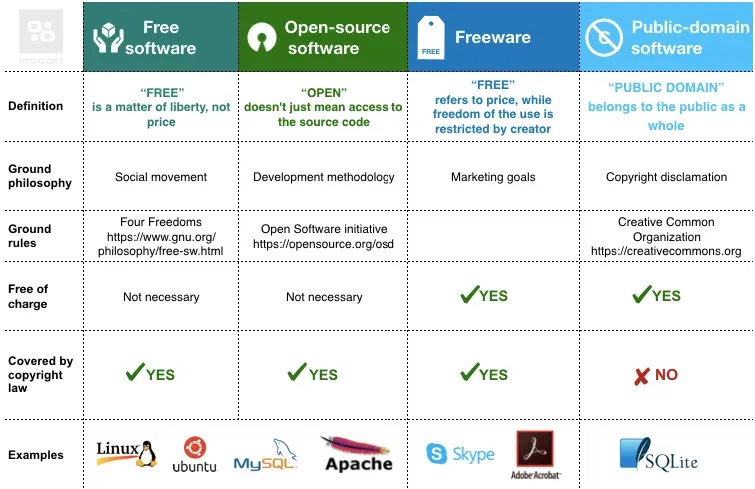
Rank tracking is the practice of monitoring where a website ranks for target keywords over time across search engines. Keyword research is the process of discovering what your audience searches for, how competitive those terms are, and which ones represent the best opportunities.
These two functions are often bundled together in enterprise platforms. For a deeper understanding of methodology, see our guide to keyword research strategies.
Ahrefs
Ahrefs is widely regarded as having the most comprehensive backlink index in the industry, making it the go-to tool for competitive research and link building strategy. For more on leveraging this data, check out our backlink analysis guide.
Key features:
- Site Explorer — Analyze any domain's organic traffic, backlink profile, and top pages
- Keywords Explorer — Search volume, keyword difficulty, click data, and SERP features for 12+ search engines (including YouTube, Amazon, and Bing)
- Content Explorer — Find top-performing content by topic across the web
- Rank Tracker — Daily ranking updates with SERP feature tracking
- Site Audit — Crawl-based technical audit with prioritized recommendations
Pricing breakdown: | Plan | Monthly Cost | Keywords Tracked | Projects | Crawl Credits | |------|-------------|-----------------|----------|---------------| | Lite | $129 | 750 | 5 | 100K/month | | Standard | $249 | 2,000 | 20 | 500K/month | | Advanced | $449 | 5,000 | 50 | 1.5M/month |
Free option: Ahrefs Webmaster Tools provides limited Site Explorer and Site Audit access for verified site owners—a solid middle ground if you can't justify the full subscription.
Strengths in practice: When I need to reverse-engineer a competitor's content strategy or identify link-building opportunities, Ahrefs is my first stop. The Content Gap feature—which shows keywords competitors rank for that you don't—has consistently surfaced high-value opportunities across client campaigns.
Limitation: The learning curve is steep. New users often feel overwhelmed by the volume of data and reports. And at $129+/month, it's a significant commitment for solo publishers.
Semrush
Semrush is the closest thing to a true all-in-one SEO software platform, offering keyword research, rank tracking, site audits, backlink analysis, content optimization, PPC research, and social media management under one roof.
Key features:
- Keyword Magic Tool — One of the largest keyword databases (25B+ keywords), with grouping, filtering, and SERP feature analysis
- Position Tracking — Daily rank monitoring with competitor comparison, SERP feature tracking, and local ranking data
- Site Audit — Comprehensive crawl-based audit with 140+ checks
- Backlink Analytics — Link profile analysis, toxic link identification, and outreach tools
- Content Marketing Platform — Topic research, SEO writing assistant, and content audit
Pricing breakdown: | Plan | Monthly Cost | Keywords Tracked | Projects | Users | |------|-------------|-----------------|----------|-------| | Pro | $139.95 | 500 | 5 | 1 | | Guru | $249.95 | 1,500 | 15 | 1 | | Business | $499.95 | 5,000 | 40 | 1 |
Additional users cost $45–$100/month each, which adds up quickly for teams.
Strengths in practice: Semrush's competitive intelligence tools are unmatched for agencies managing multiple clients. The Traffic Analytics feature provides estimated traffic data for any domain, which is invaluable during competitor audits and pitch decks.
Limitation: The interface can feel bloated—there are so many features that finding what you need sometimes requires multiple clicks. Price also scales quickly once you add team members or exceed project limits.
Ahrefs vs. Semrush: Which Should You Choose?
This is the most common "versus" question in SEO tooling. Here's my honest take after using both extensively:
- Choose Ahrefs if your primary focus is backlink analysis, content research, and you prefer a cleaner interface with fewer distractions.
- Choose Semrush if you need an all-in-one platform that covers SEO, PPC, content marketing, and social media—especially for agency use.
- For keyword research specifically, both are excellent. Semrush's database is larger, but Ahrefs' click-through rate data provides unique insight into actual click behavior.
How to Choose the Right SEO Optimization Tool for Your Needs

With so many options, the selection process benefits from a structured approach. Here's the decision framework I use with clients.
Budget Considerations
Your annual SEO tool budget should align with your revenue and the scale of your SEO program:
- $0/year (bootstrapping): Google Search Console + Seobility free plan + Writora free trial. This stack covers rank monitoring, basic technical audits, and AI-assisted content creation.
- $500–$2,000/year: Add one AI content tool (Frase at $15/month or Surfer at $99/month) and Ahrefs Webmaster Tools. This covers content optimization and basic competitive research.
- $2,000–$6,000/year: Full Ahrefs or Semrush subscription + one dedicated content optimization tool. This is the sweet spot for serious publishers and small teams.
- $6,000+/year: Enterprise Semrush or Ahrefs + Surfer SEO + specialized tools (Screaming Frog for technical crawls, BrightLocal for local SEO). This is typical for agencies and large in-house teams.
Industry best practice suggests allocating 5–10% of your total SEO budget (including team salaries and content production) to tooling. For most small-to-mid businesses, this translates to $100–$400/month.
Team Size & Complexity
- Solo publisher or freelancer: Prioritize simplicity. One tool that combines content and keyword features (like Writora or Frase) plus Google Search Console is often sufficient. Multi-user pricing in enterprise tools is wasted budget.
- Small team (2–5 people): A shared Ahrefs or Semrush account paired with a content optimization tool works well. Ensure the plan supports enough users—Semrush charges per additional seat.
- Agency or enterprise (5+ people): You'll likely need Semrush Business or Ahrefs Advanced for project capacity, plus white-label reporting and API access.
Primary Use Case (Content, Technical, Competitive Intelligence)
If your primary goal is content optimization: Start with an AI-powered tool (Rankability, Surfer SEO, or Frase). These tools have the most direct impact on content quality and ranking potential.
If your primary goal is technical SEO: Google Search Console is non-negotiable. Layer in Seobility or Screaming Frog for crawl-based audits. Semrush's Site Audit is the most comprehensive option if budget allows.
If your primary goal is competitive intelligence: Ahrefs or Semrush are the only serious options. Their backlink databases and competitive analysis features are irreplaceable.
If your primary goal is YouTube SEO: While this guide focuses primarily on web search, it's worth noting that Ahrefs' Keywords Explorer includes YouTube-specific keyword data (search volume, clicks, competition). TubeBuddy and vidIQ are dedicated YouTube SEO tools worth exploring separately—a gap many "best SEO tools" guides overlook.
SEO Optimization Tools Selection Checklist
Use this checklist before committing to any tool. Print it, save it, or share it with your team.
Core Requirements:
- [ ] Does the tool address my primary use case (content, technical, rank tracking, competitive research)?
- [ ] Does the pricing fit my annual tool budget?
- [ ] Does the plan support my team size without excessive per-user charges?
- [ ] Does the tool integrate with my existing stack (CMS, Google Analytics, project management)?
Data & Feature Checks:
- [ ] Does it provide rank tracking for my target keywords (daily, weekly)?
- [ ] Does it include competitor analysis capabilities?
- [ ] Does it support AI-powered content recommendations (if content is a focus)?
- [ ] Does it track visibility across AI search engines (ChatGPT search, Perplexity, Google AI Overviews)?
- [ ] Does it include backlink analysis (if link building is a priority)?
- [ ] Does it provide a technical site audit with actionable fix recommendations?
Practical Considerations:
- [ ] Is there a free trial or free tier so I can test before committing?
- [ ] Does the tool provide white-label reporting (if I'm an agency)?
- [ ] Is customer support included, or is it an add-on?
- [ ] Does the tool offer API access for custom reporting or automation?
- [ ] Is there an active community or knowledge base for troubleshooting?
- [ ] Is the tool actively developed with regular feature updates?
Quick-Start Action Plan:
- Week 1: Set up Google Search Console (free) and verify your site
- Week 2: Run a free audit with SEOptimer or Seobility to identify critical technical issues
- Week 3: Start a free trial of one paid tool aligned to your primary use case
- Week 4: Evaluate results—is the paid tool providing insights you can't get from free options?
- Month 2: Commit to or swap the paid tool; add a second specialized tool if needed
Frequently Asked Questions About SEO Optimization Tools
What is the best free SEO optimization tool?
Google Search Console is the best free SEO optimization tool, and it's not close. It's the only tool that provides first-party ranking data directly from Google, including impressions, clicks, CTR, average position, index coverage, and Core Web Vitals. Every SEO program should start here regardless of budget.
For technical audits, Seobility's free plan is the strongest option, offering crawl-based analysis for up to 1,000 pages. SEOptimer is useful for quick single-page checks. And for content creation with keyword clustering, Writora's free trial is worth testing.
Do I really need paid SEO optimization tools, or are free tools enough?
It depends on your goals. Free tools are sufficient if you're:
- Running a personal blog or small business site
- Focused primarily on technical fixes and basic rank monitoring
- Comfortable without competitor analysis or backlink data
You'll outgrow free tools quickly if you're:
- Producing content at scale and need AI-powered optimization
- Running competitor research to identify keyword and backlink gaps
- Managing multiple client sites (agency use)
- Tracking rankings across multiple search engines and AI platforms
In my experience, the tipping point typically comes when you need competitor data. Free tools tell you about your site; paid tools tell you about everyone else's.
How much should I budget for SEO optimization tools annually?
For most small-to-mid businesses, plan for $1,200–$5,000 per year on SEO tooling. Here's how that breaks down:
- Minimal stack: $0–$500/year (free tools + one budget AI tool like Frase)
- Standard stack: $2,000–$3,500/year (Ahrefs or Semrush + one content tool)
- Agency/enterprise stack: $5,000–$12,000+/year (enterprise-tier platforms + specialized tools + multi-user licensing)
A general rule: allocate 5–10% of your total SEO investment (people + content + tools) to software. If you're spending $5,000/month on content production but $0 on optimization tools, you're likely leaving significant performance on the table.
Can AI-powered SEO tools replace manual SEO work?
No—not yet, and likely not fully in the foreseeable future. AI SEO tools dramatically accelerate research, content optimization, and pattern recognition, but they can't replace strategic thinking, editorial judgment, or relationship-based link building.
What AI tools do well:
- Analyze SERP competition in seconds instead of hours
- Generate data-backed content briefs and optimization recommendations
- Identify keyword clusters and content gaps at scale
- Draft initial content that needs human editing and expertise
What still requires human judgment:
- Developing brand voice and editorial strategy
- Evaluating content quality and factual accuracy
- Building genuine backlinks through outreach and relationships
- Making strategic decisions about which pages to prioritize
- Interpreting data in the context of business goals
The best approach is AI-assisted, human-directed SEO: let tools handle data processing and initial drafts, then apply expertise to refine and strategize.
Which SEO optimization tools integrate with ChatGPT and other AI search engines?
As of mid-2026, direct integrations with AI search engines are still emerging, but several tools are leading the way:
- Semrush has added AI visibility tracking that monitors whether your content appears in Google AI Overviews
- Ahrefs includes data on SERP features including AI-generated answers
- Rankability and Surfer SEO optimize content structure in ways that make it more likely to be cited by AI answer engines (clear definitions, structured data, direct answers)
- Google Search Console now surfaces some data on how your content performs in AI Overviews
No tool yet provides comprehensive tracking across ChatGPT search, Perplexity, and Claude simultaneously—this is an active development area. Keep an eye on platforms that explicitly market "AI search visibility" as a feature, but verify the specific capabilities before buying.
Do I need multiple SEO optimization tools, or can one tool do everything?
No single tool excels at all SEO tasks. Most successful teams combine a rank-tracking platform (Semrush or Ahrefs), a content optimization tool (Surfer SEO, Rankability, or Writora), and free audit tools (Google Search Console). The right combination depends on team size, budget, and whether your focus is content, technical SEO, or competitive research.
That said, if forced to choose just one paid tool, Semrush covers the widest range of use cases. It won't match Surfer SEO's content optimization depth or Ahrefs' backlink granularity, but it provides adequate coverage across all major SEO functions.
Conclusion: The Future of SEO Optimization Tools

SEO optimization tools are more essential than ever as search evolves toward AI-driven results and semantic understanding. The fragmentation of search across Google, Bing, ChatGPT, Perplexity, and other AI platforms means that flying blind—without data on where and how your content appears—is a luxury no publisher or business can afford.
The right tool depends on matching your specific need to your budget and workflow:
- For content teams: AI-powered tools like Rankability, Surfer SEO, or Writora deliver the most direct impact on content quality and ranking potential.
- For technical SEO: Google Search Console plus Seobility or Semrush's Site Audit cover the essentials.
- For competitive intelligence: Ahrefs and Semrush remain the gold standard for backlink analysis and keyword gap research.
- For solo publishers: A streamlined workflow tool like Writora that combines keyword clustering, AI writing, and one-click publishing can replace a patchwork of three or four separate tools.
My recommendation: start with free tools (Google Search Console + Seobility), get comfortable with the data they provide, then layer in paid SEO optimization tools as your program scales and you hit clear limitations. This approach ensures you're paying for capabilities you actually use rather than features that gather dust.
Looking ahead, the most significant shift happening in 2026 is AI integration across every tool category. Content optimization tools are generating smarter briefs, rank trackers are monitoring AI answer engine visibility, and even technical audit tools are using machine learning to prioritize fixes by potential ranking impact. The tools that will dominate the next few years are those that help you optimize not just for traditional search engines, but for the AI systems that are increasingly mediating how people discover information.
The best time to build your SEO tool stack was yesterday. The second best time is right now.