SEO vs AEO vs GEO: Which Strategy Should You Use in 2026?
When comparing SEO vs AEO, PPC, and GEO, most guides frame it as an either or decision. That's the wrong approach. After optimizing sites across e commer...

When comparing SEO vs AEO, PPC, and GEO, most guides frame it as an either-or decision. That's the wrong approach. After optimizing sites across e-commerce, SaaS, and local service businesses for over a decade, I've found the best-performing companies layer these strategies based on timeline, budget, and competitive landscape. This guide gives you the decision framework to stop researching and start implementing.
Quick Comparison: SEO vs AEO vs PPC vs GEO
| Strategy | Optimizes For | Time to Results | Monthly Cost Range | Best For | |----------|--------------|-----------------|-------------------|----------| | SEO | Google organic (blue links) | 3–12 months | $500–$5,000 | Long-term organic traffic | | AEO | AI answer engines (ChatGPT, Perplexity) | 2–3 months | $500–$3,000 | AI search visibility | | PPC | Google Ads (paid results) | Hours to days | $1,000–$10,000+ | Immediate traffic & testing | | GEO | Google Business Profile & local pack | 1–3 months | $200–$1,500 | Local foot traffic & calls |
Note: SEM (Search Engine Marketing) is the umbrella term covering both SEO and PPC. When people compare SEO vs SEM, they typically mean SEO vs PPC—which I address below.
SEO vs AEO: Traditional Rankings Meet AI Visibility
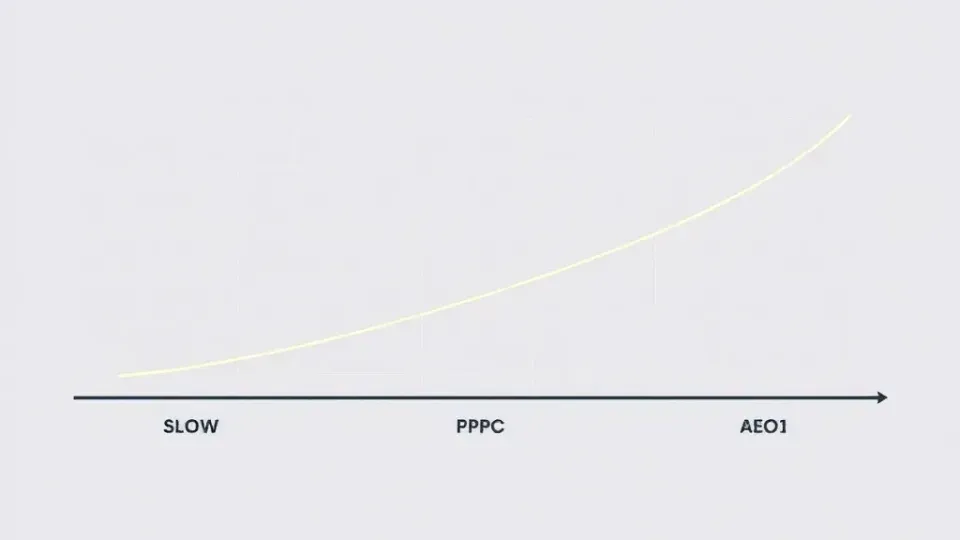
SEO optimizes content for Google's organic blue links using keyword research, on-page optimization, technical improvements, and link building. According to BrightEdge research, organic search still drives over 53% of all website traffic.
AEO (Answer Engine Optimization) targets AI systems like ChatGPT, Perplexity, and Google's AI Overviews. It focuses on structured, concise answers that AI can confidently extract and cite.
When to Prioritize Each
- Choose SEO for transactional or navigational queries (e.g., "buy running shoes," "Nike store near me")
- Choose AEO for informational questions AI engines answer directly (e.g., "best running shoe for flat feet?")
- Use both when you want visibility across blue links, AI Overviews, and ChatGPT simultaneously
In my experience, businesses that retrofit existing SEO content with AEO elements—structured Q&A sections, entity definitions, concise answer blocks—see incremental AI visibility within 2–3 months without sacrificing traditional rankings. AEO complements SEO; it doesn't replace it.
SEO vs PPC: Cost, Timeline, and ROI
The core SEO vs PPC question is simple: do you need results now, or can you invest for compounding returns?
| Metric | SEO | PPC | |--------|-----|-----| | Time to first results | 3–6 months | 1–7 days | | Cost per acquisition (avg.) | $50–$150 | $100–$400 | | Traffic after stopping spend | Continues for months | Stops immediately | | Scalability | Compounds over time | Linear with budget |
A FirstPageSage study found SEO delivers an average ROI of 748% over three years, versus PPC's 36% over the same period. But PPC generates clicks within hours.
When I compared these side by side for an e-commerce client, SEO cost 62% less per acquisition after month eight—but PPC was essential during their product launch window. PPC buys you time while SEO builds your foundation. If you're still evaluating whether the investment makes sense, this deeper analysis on is SEO worth it breaks down cost-benefit math across business sizes.
GEO vs SEO: Local Visibility for Brick-and-Mortar

The GEO vs SEO distinction matters most for location-based businesses. GEO focuses on your Google Business Profile, local reviews, citations, and map pack rankings.
According to Google's data, 76% of people who search for something nearby visit a business within 24 hours. Businesses with fully optimized Google Business Profiles receive significantly more clicks than incomplete ones.
Prioritize GEO if you serve a specific geographic area (restaurants, dentists, plumbers). Prioritize traditional SEO if you sell nationally or online. Most local businesses should start with GEO, then layer traditional SEO afterward.
Decision Checklist: Which Strategy Fits Your Business
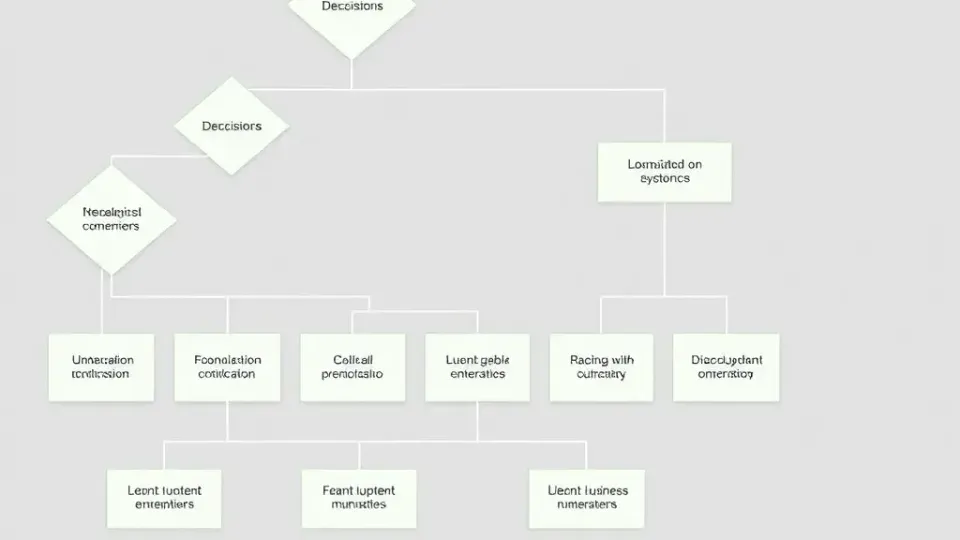
Start with SEO if you have a 6–12 month timeline, want compounding organic traffic, and can invest in content creation.
Start with PPC if you need leads within 30 days, are launching a new product, or want to test keyword viability before committing to SEO.
Start with AEO if you already have strong SEO foundations, target informational queries, and can implement structured data markup.
Start with GEO if you operate a location-based business and want more phone calls, directions, and walk-in traffic.
For businesses ready to invest in professional help, premium SEO services can accelerate results. Tools like Writora help solo operators produce SEO-optimized content faster with keyword clustering and direct publishing—useful when executing across multiple strategies without a full agency. You can start with a free SEO approach using their free trial before scaling.
The Bottom Line

The SEO vs AEO, PPC, and GEO debate isn't about picking a winner—it's about sequencing strategies based on your timeline, budget, and business model. SEO remains the foundational strategy every business needs. Layer AEO on top for AI visibility, add PPC when you need immediate results, and prioritize GEO if you're location-dependent.
Your next step: Audit your current visibility using Google Search Console and your Google Business Profile today, then prioritize SEO for long-term compounding growth while using PPC to fill immediate gaps. The businesses winning in search aren't choosing between these strategies—they're combining them intelligently.