Tools for SEO: The Complete Guide to 24 Essential SEO Tools
What Are SEO Tools and Why Do You Need Them? SEO is not dead — it is evolving faster than at any point in the last decade. The rise of AI generated searc...

What Are SEO Tools and Why Do You Need Them?
SEO is not dead — it is evolving faster than at any point in the last decade. The rise of AI-generated search results, Google's Search Generative Experience, and ChatGPT-powered answer engines have fundamentally changed how content gets discovered. And yet, tools for SEO have never been more essential. The complexity of modern search demands better data, faster iteration, and smarter automation than manual methods can provide.
An SEO tool is software that automates, measures, or optimizes search engine optimization tasks — covering everything from keyword research and site auditing to rank tracking and competitor analysis. Most working professionals rely on three to five complementary tools rather than a single platform. In practice, you'll typically combine a keyword research tool, a technical audit tool, a rank tracker, and a backlink analyzer to cover your full workflow.
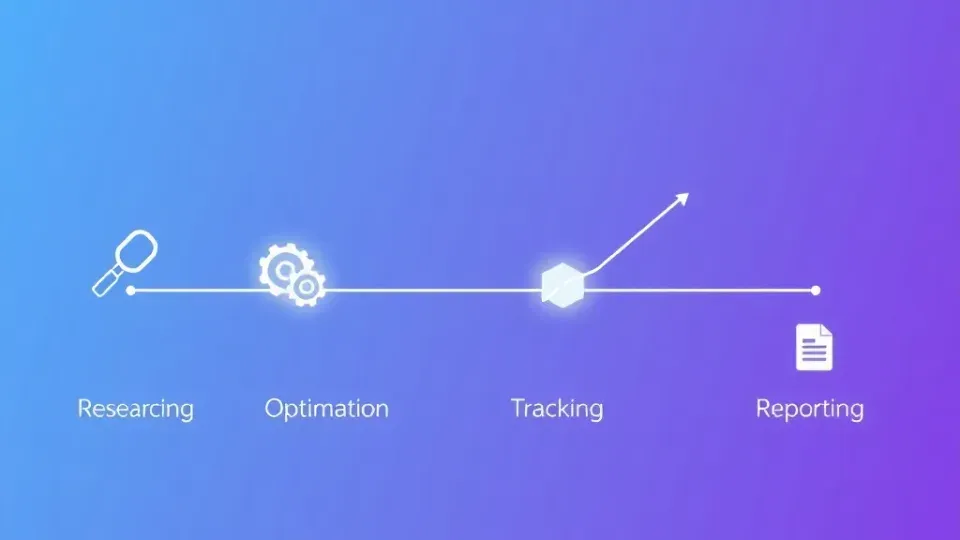
This guide reviews 24 essential tools for SEO organized by workflow stage — research, optimization, tracking, and reporting — so you can identify exactly which tool belongs at each phase of your process. Each entry includes current pricing, real use-case guidance, and honest trade-off analysis to help you build the right stack for your budget and team size.
Quick Answer: Which Tools Are Used in SEO?
Multiple complementary tools are used in SEO, not one universal solution. Here's the short version:
- Keyword research: Ahrefs, Semrush, Surfer SEO, Google Keyword Planner
- Technical audits: Screaming Frog, Semrush, Ahrefs Site Audit
- Rank tracking: Semrush, Moz Pro, SE Ranking
- Backlink analysis: Ahrefs, Majestic, Semrush
- Content optimization: Surfer SEO, Rank Math, Writora
- Free foundations: Google Search Console, Google Analytics 4, Bing Webmaster Tools
The specific tool depends entirely on your workflow stage, budget, and team size.
Is SEO Dead or Evolving?
SEO is evolving, not dying. In 2026, search behavior spans Google, Bing, AI-powered answer engines like Perplexity, and voice interfaces — meaning your content needs visibility across multiple surfaces, not just the traditional blue-link SERP. Modern best SEO tools now reflect this reality. Platforms like Semrush and Ahrefs have introduced features that track AI-overview presence and answer-engine citation rates alongside conventional keyword rankings. The professionals winning in this environment are those who adapt their tools first.
SEO Tools Comparison Matrix: Pricing, Features, and Best-Fit Use Cases
Before diving into detailed tool breakdowns, use this matrix to quickly match tools to your budget and workflow priority. Pricing reflects current plans as of mid-2026; always verify on official vendor sites before purchasing.
| Tool | Starting Price/Month | Free Tier | Best For | Workflow Stage | |---|---|---|---|---| | Google Search Console | Free | ✅ Full access | All websites | Tracking & Reporting | | Google Keyword Planner | Free | ✅ Full access | Beginners, PPC crossover | Keyword Research | | Bing Webmaster Tools | Free | ✅ Full access | Multi-engine visibility | Tracking | | Ahrefs Free | Free | ✅ Limited | Backlink spot checks | Backlink Analysis | | Ubersuggest | Free / $29 | ✅ Limited | Solo bloggers, SMBs | Keyword Research | | Screaming Frog | Free / £259/yr | ✅ 500 URLs | Technical SEO audits | Technical Audit | | Semrush | $139.95 | ❌ 7-day trial | Agencies, all-in-one | All Stages | | Ahrefs | $129 | ❌ AWT free | Backlinks + Keywords | Research + Links | | Moz Pro | $99 | ❌ 30-day trial | SMBs, rank tracking | Tracking + Research | | Surfer SEO | $99 | ❌ Trial | Content optimization | On-Page + Research | | SE Ranking | $65 | ❌ 14-day trial | SMBs, agencies | All Stages | | Writora | Free trial | ✅ Free trial | AI content + publishing | Research + Content | | Rank Math | Free / $8.99 | ✅ WordPress | On-page + schema | On-Page Optimization | | Majestic | $49.99 | ❌ | Backlink-focused pros | Backlink Analysis | | BrightEdge | Custom | ❌ | Enterprise | All Stages | | Conductor | Custom | ❌ | Enterprise content | Content + Tracking | | Mangools | $29 | ❌ 10-day trial | Beginners, solo | Keyword Research | | Serpstat | $59 | ❌ | Agencies, SMBs | All Stages | | Clearscope | $189 | ❌ | Content teams | Content Optimization | | Google Analytics 4 | Free | ✅ Full access | Traffic analysis | Reporting | | Answer the Public | Free / $99 | ✅ Limited | Question-based content | Keyword Research | | Yoast SEO | Free / $99/yr | ✅ WordPress | On-page basics | On-Page Optimization | | Linkody | $14.90 | ❌ 30-day trial | Solo link builders | Backlink Analysis | | SpyFu | $39 | ❌ | PPC + SEO competitor | Competitor Research |
Key pricing observations:
- Entry-level all-in-one tools (SE Ranking, Mangools) start around $29–$65/month
- Mid-market platforms (Ahrefs, Semrush, Moz Pro) run $99–$140/month
- Enterprise solutions (BrightEdge, Conductor) require custom quotes, typically $1,000+/month
- Most paid tools offer free trials of 7–30 days — always test before committing
Free Tools for SEO: What You Can Accomplish Without Paying
Free SEO software tools can handle foundational keyword research, basic backlink checks, and technical site auditing — enough to launch and manage a small website or validate a content strategy before investing in paid platforms. The gap between free and paid is real, but it's narrower than most vendors want you to believe. Here's what free tools can genuinely deliver, and where they fall short.
Google Search Console — The Non-Negotiable Free Foundation
Google Search Console (GSC) is the single most important free tool available, full stop. It provides direct data from Google on impressions, click-through rates, average ranking positions, crawl errors, indexing status, and Core Web Vitals. No third-party tool can replicate this level of accuracy because the data comes straight from the source.
What GSC does well:
- Identifies which queries drive impressions and clicks to your pages
- Flags pages not indexed and explains why (crawl anomalies, noindex tags, canonical conflicts)
- Shows mobile usability issues at the URL level
- Alerts you to manual penalties and security problems
- Reports on Core Web Vitals by page group, segmented by device type
What it lacks: historical data beyond 16 months, competitor data, keyword difficulty scoring, and meaningful backlink analysis depth. Think of GSC as your ground-truth data layer. It tells you what Google sees — pair it with other tools to understand what competitors are doing and where opportunities lie.
Google Keyword Planner — Free Research with Caveats
Google Keyword Planner remains a reliable starting point for keyword research, especially for those crossing over between SEO and Google Ads campaigns. In my experience, it works best when you need search volume ranges and seasonal trend data rather than precise monthly figures. The tool surfaces keyword ideas you might not find in third-party databases simply because it pulls directly from Google's ad auction data.
The caveat is significant: without an active Google Ads spend, Keyword Planner shows search volumes as broad ranges (1K–10K) rather than specific figures. This limits its precision for competitive keyword analysis. For beginners defining their first content clusters or bloggers validating a niche before committing, it's perfectly adequate. For serious competitive research, you'll hit its ceiling quickly.
Google Analytics 4 — Traffic Intelligence at No Cost
GA4 provides behavioral data that complements GSC's search-specific metrics. You can track which pages retain visitors longest, which sources drive conversions, and how organic traffic trends compare to paid and social channels. The integration between GA4 and GSC creates a powerful free analytics layer that tells a complete story — from search impression to on-site conversion.
Setting up GSC and GA4 together takes less than 30 minutes. It should be the absolute first step for any new website, before you spend a single dollar on paid tools.
Screaming Frog SEO Spider — Free Technical Auditing Up to 500 URLs
Screaming Frog's free tier crawls up to 500 URLs and identifies broken links, duplicate content, missing meta tags, redirect chains, and page title issues. For small websites or targeted audits of specific site sections, 500 URLs covers substantial ground. You can run it against a competitor's key landing pages, audit an entire small-business site, or spot-check a site section before a migration.
The paid version (£259/year) removes the crawl cap and adds JavaScript rendering, Google Analytics integration, and scheduled crawls. For websites exceeding 500 pages or requiring regular automated audits, the upgrade pays for itself quickly in time saved.
Ahrefs Free Tools and Ahrefs Webmaster Tools
Ahrefs offers a free backlink checker that shows the top 100 backlinks to any URL, plus a limited keyword explorer. Ahrefs Webmaster Tools (AWT) goes further — it's free for verified site owners and provides Site Audit and Site Explorer data for your own domain. AWT alone makes Ahrefs worth considering even before you commit to a paid subscription. The site audit crawls your pages for technical issues, and Site Explorer shows your own referring domains without the paywall.
When Free Tools Are Enough — And When They're Not
Free tools suffice when your site has fewer than 200 pages, you're targeting low-to-medium competition keywords, you don't need competitor keyword data or backlink gap analysis, and you're in the early validation stage. When you're publishing more than four pieces of content monthly, tracking 50+ keywords, or competing in any moderately competitive niche, free tool limitations start creating blind spots. Those blind spots cost more in lost opportunity than a $99/month subscription would.
The honest threshold: if SEO is a serious channel for your business, free tools are a starting point, not a permanent solution.
Top Paid Tools for SEO Optimization Organized by Workflow Stage

The most effective SEO stacks are built around workflow stages, not arbitrary tool rankings. Below, each tool is assessed within its primary stage — research, optimization, tracking, or link building — with honest analysis of strengths, weaknesses, and ideal user profiles. This section covers the best SEO tools available at each price point so you can make direct comparisons.
Keyword Research and Content Discovery Tools for SEO Optimization
Keyword research is the first and most consequential workflow stage. A weak keyword strategy wastes every downstream effort — you can have technically perfect pages with excellent backlinks and still miss entirely if you're targeting the wrong queries. The tools in this section range from enterprise-grade platforms to affordable entry points, covering every budget.
1. Semrush — The All-In-One Powerhouse
Best for: Agencies, in-house teams managing multiple clients or domains Starting price: $139.95/month (Pro plan)
Semrush remains the most comprehensive all-in-one platform in the tools for SEO category. Its Keyword Magic Tool database contains over 25 billion keywords across 142 countries, making it the most extensive repository available. When testing Semrush against Ahrefs for long-tail keyword discovery in niche markets, Semrush consistently surfaces more semantic variations and question-based queries — a meaningful advantage for content-heavy strategies.
Standout keyword research features:
- Keyword clusters that group semantically related terms automatically
- Intent classification (informational, navigational, transactional, commercial)
- Keyword difficulty scores calibrated against your domain's current authority
- Trending keywords filter showing rising queries week-over-week
The Pro plan limits you to five projects and 500 tracked keywords — constraining for agencies managing multiple clients. The Guru plan at $249.95/month lifts those limits and adds historical data and content marketing features. Pricing is higher than comparable SEO tool alternatives like SE Ranking, but the breadth of features justifies the cost for teams that use the platform across multiple workflow stages.
2. Ahrefs — Best-in-Class Keyword and Competitor Data
Best for: Content strategists, competitive SEO, backlink-heavy campaigns Starting price: $129/month (Starter plan)
Ahrefs is widely regarded among SEO practitioners as the gold standard for keyword difficulty accuracy and backlink data quality. Its Content Explorer tool — which searches a database of over five billion indexed pages by keyword, traffic, and backlink metrics — is uniquely powerful for content ideation and competitor gap analysis. If your strategy depends on understanding what content earns links in your niche, Content Explorer is genuinely irreplaceable.
What makes Ahrefs stand out for research:
- Keywords Explorer shows traffic potential (total traffic the top-ranking page receives) rather than just search volume, giving a more accurate ceiling estimate for any given query
- Site Explorer's "Top Pages" report reveals which competitor pages drive the most traffic and which keywords those pages rank for — a fast path to finding gaps in your own coverage
- Content Gap analysis compares your rankings against up to ten competitors simultaneously, surfacing keywords you're missing that multiple competitors are winning
Ahrefs has no free trial on its main plans, though AWT is free for site owners. The Starter plan limits data exports and historical data depth. For agencies needing white-label reporting, the Advanced plan at $449/month becomes necessary — a significant jump that some smaller agencies find hard to justify.
3. Surfer SEO — Content Optimization Meets Keyword Research
Best for: Content teams, writers, solo publishers focused on on-page performance Starting price: $99/month (Essential plan)
Surfer SEO occupies a specific and valuable niche: it bridges keyword research and on-page content optimization using a data-driven scoring model. You input a target keyword, and Surfer analyzes the top 20 SERP competitors to recommend word count, heading structure, keyword usage frequency, and NLP-related terms to include in your content. The output is a structured brief that a writer can execute without needing deep SEO knowledge.
In my experience working with content teams, Surfer's Content Editor produces the fastest measurable improvement in on-page optimization scores. Pages that were previously thin or unstructured often move from position 15 to the top five within 60 days when Surfer's recommendations are applied alongside quality writing. The Keyword Research module, while less comprehensive than Ahrefs or Semrush, clusters keywords into topical groups that map directly to content briefs — making it efficient for planning entire site sections.
Where Surfer shines:
- Actionable content score (0–100) updated in real time as you write
- SERP Analyzer that shows exactly why top competitors rank, including structural and semantic factors
- Integration with Google Docs, Jasper, and other AI writing tools
- Topical maps that plan entire content silos around a seed keyword
Surfer is not a full-stack SEO platform — it lacks rank tracking, backlink analysis, and deep technical audit capabilities. Think of it as a specialist tool that pairs with Ahrefs or Semrush rather than replaces them.
4. Mangools — Affordable Entry-Level Tools for SEO Beginners
Best for: Solo bloggers, small businesses, SEO beginners on tight budgets Starting price: $29/month (Basic plan)
Mangools packages five tools (KWFinder, SERPChecker, SERPWatcher, LinkMiner, SiteProfiler) into the most affordable bundled suite available. KWFinder is particularly well-designed for beginners — the interface presents keyword difficulty as a simple color-coded score and surfaces 700+ related keywords per search without overwhelming new users with data they don't yet know how to interpret.
Why beginners gravitate toward Mangools:
- Significantly easier to interpret than Semrush or Ahrefs for first-time users navigating their first keyword strategy
- KWFinder's difficulty score is consistently reliable for identifying low-competition keyword targets in most niches
- SERP analysis shows Domain Authority, Page Authority, and backlink counts for each ranking URL at a glance, making competitor assessment fast and accessible
The data depth is shallower than Ahrefs or Semrush. The Basic plan limits you to 100 keyword lookups per day and 200 SERP lookups — constraints you'll hit quickly when managing multiple sites or running competitor research at scale. Mangools is an excellent entry point and confidence builder, but it's not designed to carry a mature SEO program long-term.
5. Writora — AI-Powered Content Creation and Keyword Clustering
Best for: Independent publishers, solo bloggers, content marketers needing end-to-end workflow automation Starting price: Free trial available at writora.online
Writora is an all-in-one SEO content platform built specifically for independent publishers who need to produce optimized content at scale without managing a complex multi-tool stack. Where tools like Surfer optimize existing drafts and Ahrefs surfaces keyword opportunities, Writora closes the loop by combining keyword clustering, AI article generation, and one-click publishing into a single workflow.
What Writora does well:
- Groups semantically related keywords into content clusters automatically, enabling you to build topical authority without manual mapping or spreadsheet management
- Generates SEO-optimized article drafts based on keyword data and SERP analysis, dramatically reducing time-to-publish for solo creators
- Publishes directly to your CMS, eliminating copy-paste friction between writing and deployment
- Provides an accessible entry point for solo creators who need research-to-publish efficiency, not enterprise-scale data infrastructure
Where it fits in a broader stack: Writora functions as a research-to-publish accelerator. If you're spending more time on content logistics than content strategy, it addresses that inefficiency directly. Pair it with Google Search Console for performance tracking and Screaming Frog for technical audits, and you have a lean, effective stack for independent publishers that costs a fraction of enterprise alternatives.
Writora is purpose-built for independent publishers rather than large agencies managing dozens of client accounts. Teams needing white-label reporting, enterprise-scale link analysis, or deep competitor intelligence will want to supplement with Ahrefs or Semrush alongside it.
6. Answer the Public — Question-Based Content Discovery
Best for: Content marketers targeting informational intent, FAQ content, featured snippet strategies Starting price: Free (3 searches/day) / $99/month Pro
Answer the Public visualizes search questions, prepositions, and comparisons around any seed keyword, organized in a wheel-style diagram that makes content gaps immediately visible. It's one of the best tools for SEO content targeting People Also Ask boxes and featured snippets. When you're building a FAQ section, an informational hub, or a topic cluster anchored in user intent, this tool surfaces the exact natural-language questions your audience is actually typing.
The free tier (three searches per day) is sufficient for occasional ideation sessions. The Pro plan removes daily limits and adds historical comparison data showing how question trends shift over time — valuable for tracking emerging topics before they become competitive.
Technical SEO Audits and Optimization
Technical SEO ensures that search engines can crawl, render, and index your content without friction. Even the best content strategy produces limited results if crawl errors, redirect chains, or slow page load times prevent Google from properly processing your pages. The tools in this section address the full spectrum of technical issues, from site-wide architecture problems to individual page performance.
7. Screaming Frog SEO Spider — The Technical Audit Standard
Best for: SEO consultants, technical SEO specialists, large site audits requiring granular data Pricing: Free (500 URLs) / £259/year unlimited
Screaming Frog has been the technical SEO auditing benchmark for over a decade for good reason — it delivers more granular crawl data than any browser-based alternative. The paid version integrates with Google Analytics 4, Google Search Console, PageSpeed Insights, and Majestic to layer performance and link data onto crawl results, creating a comprehensive site health picture in a single export.
Key audit capabilities:
- Crawls JavaScript-heavy single-page applications (SPAs) with its built-in rendering engine
- Identifies all 3XX redirect chains and 4XX/5XX errors across a site
- Extracts and audits structured data (schema markup) for completeness and validity
- Schedules automated crawls and compares crawl-to-crawl deltas to track fix implementation
- Exports custom extraction data using XPath and regex for advanced use cases
A practical workflow that saves significant time: run Screaming Frog first on any new site engagement. Export the full crawl to a spreadsheet, sort by status code and page depth, then prioritize fixes by traffic impact. This single step surfaces 80% of critical technical issues before you've opened a single other tool — making it the natural starting point for any technical SEO tool comparison between site states.
8. Semrush Site Audit — Cloud-Based Technical Monitoring
Best for: Teams needing continuous automated audits without managing a desktop tool Pricing: Included in Semrush subscription
Semrush's Site Audit runs from the cloud and schedules weekly recrawls automatically — a practical advantage over Screaming Frog's desktop model for distributed teams that need hands-off monitoring. It categorizes issues by severity (errors, warnings, notices) and provides clear remediation guidance for each finding, making it accessible to team members who aren't deep technical specialists.
Where it adds value beyond Screaming Frog:
- Core Web Vitals monitoring integrated directly with crawl data
- HTTPS implementation checks including mixed content detection across the entire site
- Log file analysis available on higher-tier plans for diagnosing crawl budget issues
- Issue tracking that shows whether specific fixes have been implemented between crawl intervals
Semrush Site Audit is less granular than Screaming Frog for deep technical investigations. When a crawl surfaces an unusual JavaScript rendering issue or a complex redirect chain requiring surgical analysis, Screaming Frog provides more precise control. Many professional teams use both — Semrush for ongoing monitoring and trend tracking, Screaming Frog for deep-dive investigations triggered by specific issues.
9. Rank Math — On-Page Tools for SEO Optimization in WordPress
Best for: WordPress publishers, bloggers, content-focused sites on any budget Pricing: Free / $8.99/month Pro
Rank Math is the best-in-class WordPress SEO plugin for most publishers, offering a more feature-rich free tier than Yoast SEO. Its Content AI module scores your on-page optimization against top SERP competitors — similar to Surfer's approach but built directly into the WordPress editor, eliminating the need to toggle between platforms while writing.
Notable features that set Rank Math apart:
- Schema markup builder with support for 40+ schema types, including HowTo, FAQ, Recipe, and Review
- Redirect manager built into the plugin, removing the need for a separate redirection tool
- 404 monitor that logs broken internal links as they occur in real time
- Google Search Console integration showing keyword performance per post directly in the WordPress dashboard
- AI-powered title and meta description suggestions based on current SERP patterns
Rank Math has displaced Yoast for many publishers because the free version includes features that Yoast locks behind its $99/year Premium plan, including multiple keyword targeting per page and full schema markup support. For a site running entirely on WordPress with a tight budget, Rank Math free plus Google Search Console covers most tools for SEO optimization needs effectively.
10. Yoast SEO — The Legacy Standard for Simplicity
Best for: WordPress users who want a simple, proven, no-configuration solution Pricing: Free / $99/year Premium
Yoast SEO remains the most installed WordPress SEO plugin by volume, and its longevity reflects genuine value — clean interface, reliable XML sitemap generation, and clear traffic-light readability analysis that helps non-technical writers understand whether their content is accessible and well-structured. For publishers who need a plug-and-play solution and aren't chasing advanced schema features or complex redirect management, Yoast's free tier is completely adequate.
The Premium version adds internal link suggestions, redirect management, and support for up to five focus keywords per post. For high-volume content operations, Yoast's Wincher-powered rank tracking integration is a convenient addition that keeps basic tracking within the same ecosystem. That said, most publishers with serious SEO goals who evaluate both plugins end up choosing Rank Math for the superior free feature set.
11. PageSpeed Insights and Core Web Vitals Tools
Best for: Developers and SEO specialists optimizing page load performance Pricing: Free (Google tool)
Google's PageSpeed Insights, powered by Lighthouse, provides field data from the Chrome User Experience Report alongside lab data for any URL. Given that Core Web Vitals remain a confirmed ranking factor, this tool belongs in every technical audit workflow — and it costs nothing. The field data (real user measurements) is particularly valuable because it reflects actual visitor experience rather than controlled test conditions.
Supplement PageSpeed Insights with WebPageTest (free, more granular waterfall analysis showing exactly how each resource loads) and GTmetrix (free tier available, visualizes the render timeline with filmstrip screenshots) for a complete performance picture. These three tools together cost nothing and cover every performance optimization scenario from basic image compression to complex third-party script management.
Rank Tracking and Competitor Monitoring Tools
A rank tracking tool monitors your website's positions for targeted keywords over time and alerts you to significant ranking changes — both positive and negative. Without systematic rank tracking, you're making educated guesses about whether your SEO efforts are producing results. You can't improve what you can't measure, and ranking position is one of the clearest signals of SEO progress available.
12. Semrush Position Tracking — Comprehensive Rank Monitoring
Best for: Agencies and in-house teams managing large keyword sets across multiple locations Pricing: Included in Semrush subscription (keyword limits apply by plan)
Semrush's Position Tracking monitors daily ranking changes for your target keywords across multiple devices and geographic locations. The Sensor feature measures SERP volatility across 25 industries, helping you distinguish algorithm-driven ranking fluctuations from site-specific changes — a critical distinction when reporting to clients or stakeholders who see a ranking drop and immediately assume something went wrong.
Features that differentiate Semrush rank tracking from competitors:
- Cannibalization report identifies which pages compete internally for the same keywords, a frequently missed technical issue
- Featured Snippet tracking shows which of your pages appear in position zero and which competitors are displacing you
- Local ranking tracking by ZIP code or city — essential for businesses with physical locations competing in local search
- Share of Voice metric aggregates your overall SERP presence across all tracked keywords into a single trend line
13. Moz Pro — The SMB-Friendly Rank Tracker
Best for: Small-to-medium businesses, SEO generalists, teams reporting to non-technical stakeholders Starting price: $99/month (Starter plan)
Moz Pro has historically been positioned as the most accessible professional SEO platform, and its rank tracking interface reflects that philosophy — cleaner, easier to interpret for non-specialists than Semrush's more data-dense dashboard. This is a genuine advantage when your reporting audience includes executives or clients who aren't SEO practitioners and need to understand results at a glance.
Moz Pro rank tracking specifics:
- Tracks rankings weekly on the Starter plan, with daily tracking available on higher tiers
- Local Market Analytics integrates map pack rankings alongside organic results in a single view
- Campaign-based organization that keeps client projects clearly separated
- MozBar Chrome extension provides on-page metrics, DA, and PA data while browsing — useful for quick competitor assessments
Moz's keyword database is smaller than Semrush or Ahrefs, and weekly tracking (vs. daily) on the Starter plan can lag for fast-moving SERPs in competitive industries. For businesses in niches with high ranking volatility — news, finance, health — daily tracking via Semrush or SE Ranking is more appropriate. For stable niches with predictable ranking patterns, Moz Pro's cleaner experience often outweighs the data frequency limitation.
14. SE Ranking — The Best Value All-In-One SEO Tool
Best for: Small agencies, freelancers, cost-conscious SMBs needing full-stack capability Starting price: $65/month (Essential plan)
SE Ranking delivers the broadest feature set per dollar of any tool in this entire list. Its rank tracking is accurate, updates daily, and supports unlimited projects on higher plans. In testing SE Ranking against Semrush for rank tracking accuracy across a set of 200 keywords spanning multiple niches, the two tools aligned within one to two positions on average — a meaningful finding that validates SE Ranking as a genuine alternative rather than a budget compromise.
SE Ranking's value proposition in practice:
- White-label reporting built into all plans, not locked behind an enterprise tier
- Competitor analysis, keyword research, backlink tracking, and site audit all included at every pricing level
- On-page SEO checker that competes with Surfer's basic functionality at no additional cost
- Pricing scales predictably between tiers without the large jumps that make Semrush's upgrade path painful for small agencies
For freelancers managing five to fifteen client accounts on a controlled budget, SE Ranking is frequently the most sensible choice in any honest SEO tool comparison. The gap in data depth compared to Ahrefs and Semrush is real, but the gap in value for money is equally real in SE Ranking's favor.
15. SpyFu — Competitor-First Rank Intelligence
Best for: Businesses with aggressive competitor research needs, teams integrating PPC and SEO strategies Starting price: $39/month
SpyFu is one of the most underrated best SEO tools for competitor analysis available at any price. Its core feature — revealing every keyword a competitor has ever ranked for across both organic and paid search — is unmatched at its price point. If your strategy depends on systematically targeting competitor keyword gaps, SpyFu provides the deepest historical depth available outside of enterprise-tier platforms.
Key SpyFu differentiators that justify its inclusion:
- Shows 15+ years of competitor ranking history for any domain — useful for identifying long-term ranking patterns, not just current snapshots
- Identifies keywords where competitors rank organically but not in paid results, which often signals the highest-intent, most-valuable opportunities
- Kombat feature compares three domains simultaneously, showing keyword overlap and unique gaps across all three
- Unlimited searches on all plans — no quota anxiety that causes you to ration competitor research sessions
Backlink Analysis and Link Building Tools
A backlink analysis tool maps the inbound links pointing to your website and reveals the full link profiles of your competitors. Link authority remains one of the strongest ranking signals in modern search, and systematic backlink analysis is the foundation of any effective link-building campaign. Understanding not just how many links you have, but the quality, relevance, and anchor text distribution of those links, separates effective link building from wasted outreach.
16. Ahrefs — The Backlink Analysis Leader
Best for: Link builders, content marketers running outreach campaigns, competitive link analysis Starting price: $129/month
Ahrefs maintains the most frequently updated and largest backlink index in the industry — as of 2026, the Ahrefs index contains over 35 trillion known links, with the crawler recrawling the web every 15–30 minutes. For backlink analysis accuracy and data freshness, no other tool consistently outperforms it. If you're making link-building decisions based on competitor backlink data, the quality of that index matters directly.
Core backlink analysis features:
- Link Intersect: finds sites linking to competitors but not to you, identifying your highest-probability outreach targets based on demonstrated willingness to link in your niche
- Broken Link Checker: identifies pages with broken backlinks — a systematic source of link reclamation opportunities
- Referring Domains Growth: shows whether a site's link profile is growing or decaying over time, useful for evaluating link target quality
- Anchor Text Distribution: flags over-optimized anchor profiles that could attract algorithmic scrutiny
17. Majestic — Specialist Backlink Intelligence
Best for: Link specialists, agencies focused exclusively on link building and link quality assessment Starting price: $49.99/month (Lite plan)
Majestic is the original backlink analysis platform, and its Trust Flow and Citation Flow metrics remain widely used signals of link quality in professional link building workflows. While Ahrefs has the larger and more frequently updated index, Majestic's quality metrics provide a complementary perspective that many experienced link builders use as a cross-validation layer.
Where Majestic excels over competitors:
- Trust Flow calibration is the most reliable single-metric indicator of linking domain quality available in any tool, and it's been consistently maintained over years
- Topical Trust Flow categorizes a site's entire link profile by topic, enabling relevance analysis that pure volume metrics can't capture
- Historic Index provides older link data not available in Ahrefs, useful for analyzing long-standing domains
- The Bulk Backlink Checker allows analysis of thousands of URLs simultaneously — valuable for large-scale prospecting or site acquisition due diligence
Majestic lacks keyword research, rank tracking, and content optimization capabilities entirely. It's a single-purpose tool that requires pairing with a broader research platform, which means it fits best in stacks already anchored by Ahrefs or Semrush.
18. Linkody — Budget Link Monitoring
Best for: Solo SEOs, small budgets, teams that need basic link monitoring without research complexity Starting price: $14.