What Is the SEO: Definition, How It Works, and Best Practices
What Is SEO? Quick Answer SEO stands for Search Engine Optimization —the practice of optimizing websites and content to rank higher in search results and...

What Is SEO? Quick Answer
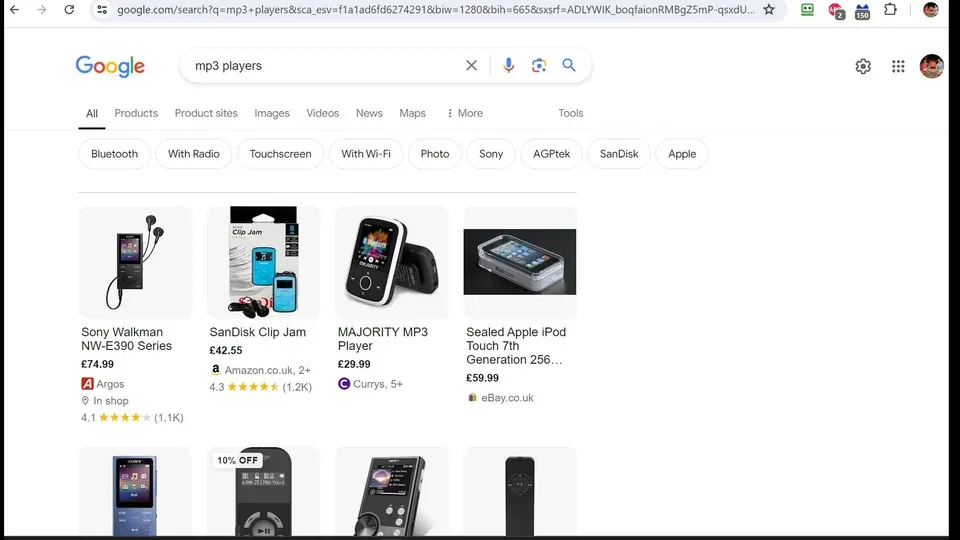
SEO stands for Search Engine Optimization—the practice of optimizing websites and content to rank higher in search results and attract more organic (unpaid) traffic. If you've ever wondered what is the SEO concept everyone in digital marketing talks about, here's the plain-English answer: it's the process of making your website easier for search engines like Google to find, understand, and recommend to users.
To make it concrete, consider a local bakery in Austin, Texas. Before investing in SEO, their website appeared on page four of Google results for "best croissants Austin." After six months of targeted optimization—publishing location-specific content, earning mentions from local food blogs, and fixing site speed issues—they ranked in the top three results. Their monthly website visitors tripled and in-store foot traffic increased noticeably, all without spending a dollar on paid advertising.
This guide covers everything from the search engine optimization definition and how search engines work, to the three pillars of SEO, career opportunities, key metrics, and a practical checklist you can act on today.
How Search Engines Work: What Is the SEO Process, Really?
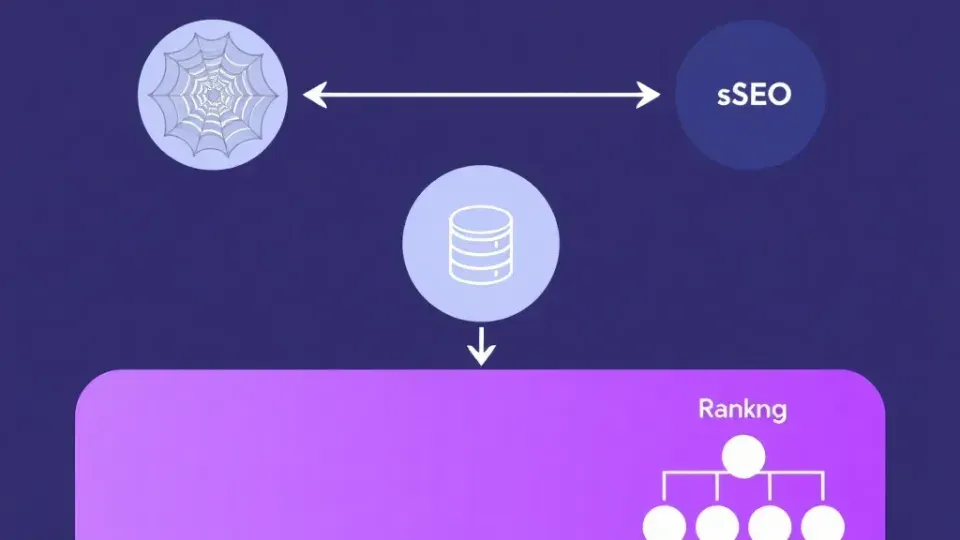
Before optimizing anything, you need to understand what you're optimizing for. Search engines are essentially massive answer machines. When someone types a query, the engine attempts to surface the most relevant, trustworthy content available on the web.
Google processes an estimated 8.5 billion searches per day (according to Internet Live Stats data widely cited across the industry). To handle that scale, search engines rely on three automated processes that run continuously.
Crawling, Indexing, and Ranking
According to Google Search Central's official documentation, Google's process works in three distinct stages:
1. Crawling Search engine bots (called "spiders" or "crawlers") follow links across the web to discover pages. Think of it as a librarian walking through every aisle, scanning book spines. If a page has no links pointing to it and isn't submitted via a sitemap, crawlers may never find it. This is why internal linking and sitemaps are foundational SEO tasks.
2. Indexing Once crawled, a page's content is analyzed and stored in the search engine's index—a database of hundreds of billions of web pages. Google evaluates the page's text, images, structured data, and overall quality to understand what the page is about. Pages with thin content, duplicate text, or crawl errors may be excluded from the index entirely.
3. Ranking When a user submits a search query, the engine scores indexed pages against hundreds of ranking signals—including keyword relevance, backlink authority, page speed, and user engagement—and returns results in order of perceived usefulness. Ranking is not a one-time decision; Google re-evaluates rankings continuously as content and signals change.
Understanding this workflow clarifies why SEO requires both content quality (to pass indexing) and site health (to support crawling and ranking). It also explains the search engine optimization definition in practical terms: you're not gaming a system so much as meeting the standards that system uses to reward genuinely useful content.
The Three Pillars of SEO

The SEO industry commonly recognizes three core pillars, each addressing a different dimension of optimization. Sources including Moz, HubSpot, and Search Engine Land consistently use this framework. Miss any one pillar and your results will plateau.
| Pillar | Focus Area | Primary Goal | |---|---|---| | On-Page SEO | Content and HTML elements | Relevance to search queries | | Off-Page SEO | External signals and links | Authority and trustworthiness | | Technical SEO | Site architecture and performance | Crawlability and indexability |
On-Page SEO
On-Page SEO refers to optimizing the individual elements of a webpage—the parts you directly control. This is often the first place new practitioners start, and for good reason: it's the most immediately actionable pillar.
Core on-page elements include:
- Title tags: The clickable headline in search results. Should include your primary keyword and stay under 60 characters.
- Meta descriptions: A 150–160 character summary that influences click-through rate, even though it's not a direct ranking factor.
- Heading hierarchy (H1–H6): Organizes content for both readers and crawlers. Each page should have one H1 that reflects the primary topic.
- Keyword placement: Your target keyword should appear naturally in the first 100 words, at least one subheading, and throughout the body—never stuffed artificially.
- Image alt text: Describes images for search engines and screen readers.
- Internal linking: Connects related pages on your site, distributing "link equity" and guiding users deeper into your content.
One area often overlooked: content depth and quality. Google's Helpful Content guidelines (last updated in 2024) explicitly reward content created for people, not search engines. In my experience reviewing hundreds of underperforming pages, the single most common issue is content that mentions a topic without genuinely answering the user's question.
Pair strong on-page work with a solid content marketing strategy—quality content is the engine that makes on-page SEO sustainable over time.
Off-Page SEO and Link Building
Off-Page SEO covers everything that happens outside your website that influences your rankings. The most significant off-page signal is backlinks—links from other websites pointing to yours.
Why do backlinks matter? Search engines interpret a link from a reputable site as a vote of confidence. A single link from an authoritative news outlet or industry publication can carry more ranking weight than dozens of links from low-quality directories.
Effective off-page strategies include:
- Earning editorial backlinks: Create genuinely useful resources—original research, detailed guides, tools—that others naturally cite.
- Digital PR: Pitch expert commentary or data stories to journalists and bloggers in your niche.
- Guest posting: Contribute articles to respected publications in exchange for a contextual link back to your site.
- Brand mentions: Even unlinked mentions of your brand name can build topical authority over time.
- Local citations: For brick-and-mortar businesses, listings in Google Business Profile, Yelp, and industry directories signal local relevance.
A common pitfall: buying backlinks from link farms or private blog networks. Google's spam policies explicitly penalize manipulative link schemes, and the consequences—manual penalties or algorithmic demotions—can take months to recover from.
Technical SEO
Technical SEO is the foundation beneath everything else. You can write brilliant content and earn strong backlinks, but if search engines can't properly crawl and render your site, none of that work reaches its potential.
Key technical SEO areas include:
- Site speed and Core Web Vitals: Google officially uses Core Web Vitals—Largest Contentful Paint (LCP), Interaction to Next Paint (INP), and Cumulative Layout Shift (CLS)—as ranking factors. According to Google's official Web.dev documentation, pages meeting Core Web Vitals thresholds tend to rank more favorably.
- Mobile-first indexing: Google now indexes the mobile version of your site first. A non-responsive design directly harms rankings.
- HTTPS security: Unencrypted sites (HTTP) receive a ranking disadvantage and trigger browser security warnings that increase bounce rates.
- XML sitemaps: Tell search engines which pages to prioritize for crawling.
- Robots.txt: Controls which sections of your site crawlers can access.
- Structured data (Schema markup): Helps search engines understand your content type and can unlock rich results (star ratings, FAQs, recipes) in the SERP.
- Canonical tags: Prevent duplicate content issues by specifying the preferred version of a URL.
For teams managing large or complex sites, a thorough technical SEO checklist is an essential working document.
What Is the SEO Meaning in Business and Digital Marketing?

Understanding what is SEO in digital marketing requires seeing it as one component of a broader strategy rather than an isolated tactic. SEO sits alongside paid search, social media, email marketing, and content marketing—all channels that serve the same business objectives: visibility, engagement, and conversion.
What makes SEO distinctive is its compounding return on investment. Paid advertising stops the moment you stop paying. SEO, when done well, builds cumulative authority that continues generating traffic months or years after the initial work. A well-optimized page published today can deliver qualified visitors for three to five years without additional ad spend.
SEO's Role in Business Decision-Making
Businesses increasingly treat SEO as a strategic asset rather than a marketing line item. Here's why:
- Lead quality: Organic search visitors are often further along the buying journey. Someone searching "best CRM software for small business" has high purchase intent—far higher than someone who saw a random display ad.
- Brand authority: Ranking consistently for industry keywords positions your brand as a trusted expert in your field.
- Competitive intelligence: Keyword and competitor analysis reveals which topics your audience cares about, informing product development and content strategy.
- Cost efficiency: Industry benchmarks consistently show that organic search delivers a lower cost-per-acquisition than most paid channels over a 12-month horizon.
The SEO meaning in a business context, then, extends well beyond rankings. It encompasses audience research, content strategy, technical infrastructure, and long-term brand positioning—all working together. The most effective digital marketing programs connect SEO with content, social, and paid channels working in concert. SEO informs what topics to create content about; content drives backlinks; backlinks boost rankings. The flywheel effect is real and well-documented by practitioners across industries.
How Does SEO Work as a Career? Roles and Opportunities

One of the most common adjacent searches is about SEO job roles—and it's a valid question. Understanding how does SEO work as a profession means recognizing that it has evolved from a niche technical skill into a full professional discipline with distinct specializations.
Core SEO Role Types
On-Page SEO Specialist Focuses on keyword research, content optimization, title tags, meta descriptions, and internal linking. This role requires strong writing skills, familiarity with keyword tools, and the ability to analyze content performance. Entry-level friendly with a clear growth path.
Technical SEO Engineer/Specialist Handles site architecture, crawl budget optimization, page speed improvements, structured data implementation, and log file analysis. Requires comfort with HTML, JavaScript rendering, server configurations, and tools like Screaming Frog or DeepCrawl. Often overlaps with web development.
Link Building / Off-Page SEO Specialist Manages outreach campaigns, digital PR pitches, and backlink acquisition. Requires strong communication skills, relationship-building ability, and a solid understanding of what makes content link-worthy.
SEO Analyst / SEO Data Analyst Interprets organic search data, tracks ranking movements, performs competitor gap analysis, and reports on ROI. Heavy use of Google Search Console, Google Analytics, and platforms like Ahrefs or Semrush. Ideal for data-oriented professionals.
SEO Manager / Head of SEO Oversees the full SEO program, sets strategy, manages a team of specialists, and coordinates with content, development, and paid media teams. Requires both technical knowledge and stakeholder communication skills.
Content SEO Strategist Bridges content marketing and SEO. Builds topic clusters, manages editorial calendars, and ensures content aligns with keyword strategy. Increasingly important as Google rewards topical depth over individual keyword targeting.
Career Path and Salary Expectations
When I've spoken with hiring managers in digital agencies, the consistent feedback is that technical SEO skills are the hardest to find and command the highest salaries. According to aggregated data from Glassdoor and LinkedIn Salary, SEO Manager salaries in the United States typically range from $65,000 to $110,000 depending on company size and location, while senior technical SEO roles at enterprise companies often exceed $120,000.
SEO job roles exist across agency environments, in-house marketing teams, consulting practices, and fully freelance setups. The flexibility is a significant part of the appeal for many practitioners.
Key SEO Metrics and Tools
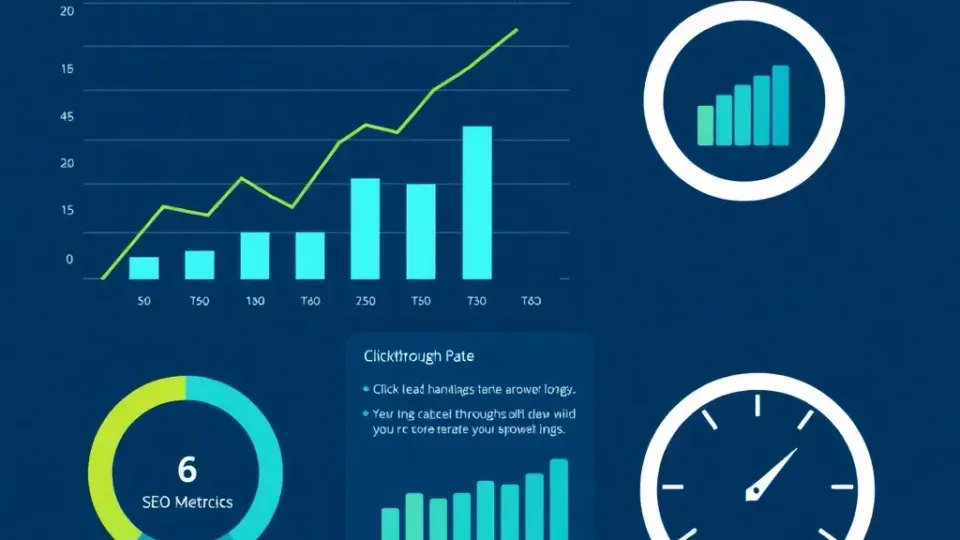
Measuring SEO success requires tracking the right signals. Vanity metrics like raw traffic volume can be misleading; what matters is whether SEO activity drives meaningful business outcomes.
Essential KPIs to Track
- Organic traffic: Sessions originating from unpaid search. Track trends over time, not just absolute numbers.
- Keyword rankings: Position of your target keywords in search results. Monitor a representative mix of high-volume and long-tail terms.
- Click-through rate (CTR): The percentage of users who click your result after seeing it. Low CTR despite good rankings signals weak title tags or meta descriptions.
- Bounce rate / Engagement rate: Google Analytics 4 replaced bounce rate with engagement rate (sessions lasting longer than 10 seconds or with a conversion event). High bounce rates on SEO landing pages often indicate a mismatch between content and search intent.
- Backlink profile: Total backlinks, referring domains, and domain authority trends. Quality matters far more than quantity.
- Core Web Vitals scores: LCP, INP, and CLS scores directly tied to user experience and ranking signals.
- Conversions from organic: The ultimate business metric—leads, signups, purchases, or other defined goals attributed to organic search.
Recommended Tools
| Tool | Primary Use | Pricing | |---|---|---| | Google Search Console | Ranking data, crawl errors, indexing status | Free | | Google Analytics 4 | Traffic analysis, conversion tracking | Free | | Ahrefs | Backlink analysis, keyword research, site audit | Paid | | Semrush | Competitor analysis, keyword tracking, on-page audits | Paid | | Screaming Frog | Technical site crawling | Free (limited) / Paid | | Moz Pro | Domain authority tracking, rank tracking | Paid |
When I tested several AI-assisted SEO platforms, Writora stood out as a practical option for independent publishers who want to consolidate keyword clustering, article generation, and publishing into a single workflow. Rather than juggling five separate tools, Writora handles keyword grouping and content drafts in one place—useful when you're scaling content production without a large team. Try Writora free.
SEO Checklist: Getting Started

After absorbing the fundamentals, the most common mistake is analysis paralysis—knowing what is the SEO process in theory without taking action. Use this checklist as your starting point.
Foundation Setup
- [ ] Create and verify your site in Google Search Console
- [ ] Install Google Analytics 4 and configure conversion goals
- [ ] Submit an XML sitemap to Google Search Console
- [ ] Confirm your site uses HTTPS (SSL certificate active)
- [ ] Check mobile responsiveness using Google's Mobile-Friendly Test
Technical Health
- [ ] Run a crawl with Screaming Frog or a similar tool; fix 4XX/5XX errors
- [ ] Review Core Web Vitals scores in Search Console; target "Good" thresholds
- [ ] Set canonical tags on duplicate or near-duplicate pages
- [ ] Review robots.txt to ensure key pages aren't accidentally blocked
- [ ] Check page speed on mobile using Google PageSpeed Insights
On-Page Optimization
- [ ] Conduct keyword research for your 10–20 most important pages
- [ ] Rewrite title tags to include target keywords and stay under 60 characters
- [ ] Write compelling meta descriptions for key landing pages (150–160 characters)
- [ ] Ensure each page has a single, descriptive H1 tag
- [ ] Add descriptive alt text to all meaningful images
- [ ] Build internal links between topically related pages
Content Strategy
- [ ] Identify content gaps using competitor keyword analysis
- [ ] Create a content calendar targeting a mix of high-intent and informational queries
- [ ] Update or consolidate underperforming pages with thin content
- [ ] Add structured data markup (Schema) to eligible content types
Off-Page SEO
- [ ] Claim and optimize your Google Business Profile (if local)
- [ ] Identify three to five link-building opportunities (guest posts, resource pages, PR pitches)
- [ ] Set up backlink monitoring in Ahrefs, Semrush, or a free alternative
Ongoing Monitoring
- [ ] Review Search Console performance weekly for ranking changes and crawl issues
- [ ] Track keyword positions monthly for target terms
- [ ] Audit your top 20 pages quarterly for freshness and accuracy
Frequently Asked Questions

What is the difference between SEO and SEM (paid search)?
SEO (Search Engine Optimization) targets organic, unpaid search results through content quality, technical optimization, and link authority. SEM (Search Engine Marketing) typically refers to paid advertising—primarily Google Ads—where you bid on keywords to appear in sponsored positions. The key distinction: SEO builds long-term authority with no per-click cost; SEM delivers immediate visibility but requires ongoing ad spend. Most effective digital marketing strategies use both in tandem.
Is Odoo good for SEO, and how do CMS platforms affect my search rankings?
Odoo is an ERP and CMS platform that includes built-in SEO features: customizable URL slugs, editable meta tags, structured sitemaps, and a built-in website builder. According to Odoo's official documentation, the platform supports SEO configuration through its Website module. That said, SEO success depends more on how you configure and use the platform than on the platform itself. Pair Odoo with proper keyword optimization, mobile-responsive themes, fast hosting, and high-quality content to achieve strong search performance. The same principle applies across CMS platforms—WordPress, Shopify, Webflow, and others all support good SEO when correctly configured.
How long does SEO take to show results?
SEO is a long-term strategy. Most websites report initial ranking improvements within 3 to 6 months of consistent, focused effort. Significant results—measurable traffic growth and lead generation—typically emerge between 6 and 12 months. Timelines vary based on domain age, existing site health, competition level, and the volume and quality of optimization work. New domains in competitive niches may require 12–18 months to gain meaningful traction. There are no legitimate shortcuts.
What is the main goal of SEO?
The main goal of SEO is to increase organic (unpaid) traffic to a website by improving its visibility in search engine results. At a business level, this translates into brand authority, qualified visitor acquisition, and support for objectives like lead generation, e-commerce sales, and customer engagement. Unlike paid channels, SEO builds compounding equity over time—a well-optimized page can generate traffic for years after its initial publication.
Can I do SEO myself, or do I need to hire an expert?
You can absolutely start SEO yourself, especially with the volume of free resources and tools available today. Google Search Console, Google Analytics 4, and Google's own SEO Starter Guide are all free and provide a solid foundation. For small businesses and bloggers, self-managed SEO is entirely viable and often the right starting point. However, as your site grows or operates in a competitive industry, bringing in a specialist—whether an in-house hire, freelancer, or agency—accelerates results significantly, particularly for technical SEO and scaled link building.
Conclusion: What Is the SEO Advantage and What to Do Next
Understanding what is the SEO advantage is the first step toward making search engines work for your business. To recap the essentials: SEO is built on three interconnected pillars—on-page SEO (content and HTML optimization), off-page SEO (authority through backlinks and brand signals), and technical SEO (site infrastructure that enables crawling and indexing). The search engine optimization definition, at its core, is about earning visibility by meeting the standards users and search engines both care about. Neglect any one pillar and you'll leave meaningful performance on the table.
Critically, SEO is not a one-time project. Search algorithms evolve, competitors publish new content, and user behavior shifts. The businesses that treat SEO as an ongoing program—not a box to check—are the ones that build durable organic visibility over years, not months.
From a business perspective, few digital channels offer SEO's combination of compounding ROI, high-intent audience targeting, and brand authority building. Paired with a broader digital marketing strategy that integrates content, social, and user experience, SEO becomes one of the most reliable growth levers available. Whether you're exploring SEO job roles, trying to understand the SEO meaning for your own site, or developing an enterprise-level strategy, the fundamentals covered here apply at every scale.
Start with the checklist in this guide. Pick five items you can complete this week—fix your Core Web Vitals, submit your sitemap, update two title tags—and build momentum from there. If you're looking for a streamlined way to manage keyword research and content creation in one place, Writora offers a free trial worth exploring as you scale your output.
SEO rewards consistency, curiosity, and patience. The foundations you lay today pay dividends long into the future.