What Is SEO? Search Engine Optimization Basics, Strategy & Implementation
What Is SEO SEO Basics You Need to Know SEO stands for Search Engine Optimization — the practice of optimizing your website, content, and online presence...

What Is SEO SEO Basics You Need to Know
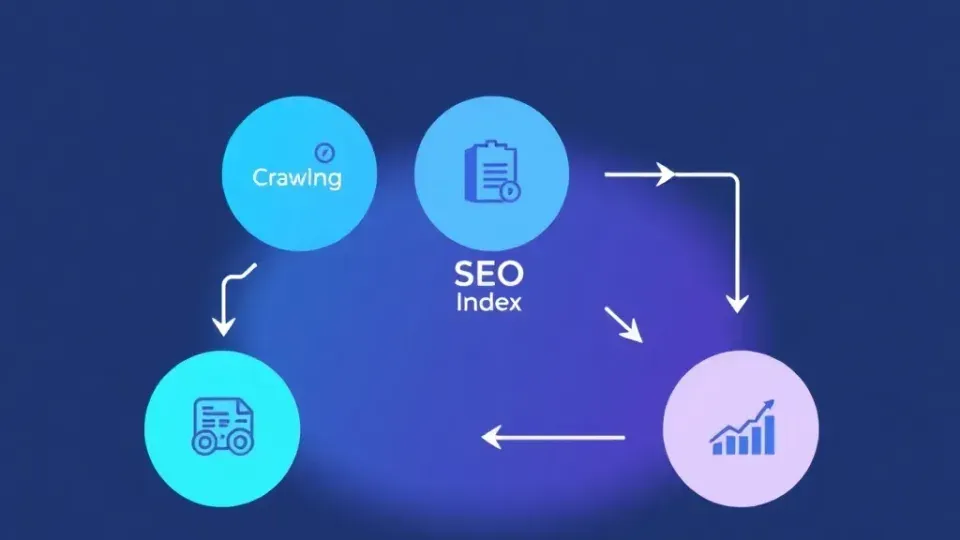
SEO stands for Search Engine Optimization — the practice of optimizing your website, content, and online presence to rank higher in organic search engine results pages (SERPs). When people research seo seo topics online, they're typically trying to understand the fundamentals, build a strategy, or figure out where to start. This guide covers all three.
Organic search still drives the majority of trackable website traffic. According to BrightEdge research, organic search accounts for over 53% of all website traffic, dwarfing paid channels and social media combined. If you've heard SEO is dead, the data says otherwise — search behavior has changed with AI-powered assistants and zero-click results, but the discipline has matured, not disappeared.
You'll learn exactly how SEO works, how to build a practical SEO strategy, where to earn an SEO certification, and a step-by-step implementation checklist you can act on today.
How SEO SEO Actually Works: Crawling, Indexing, and Ranking
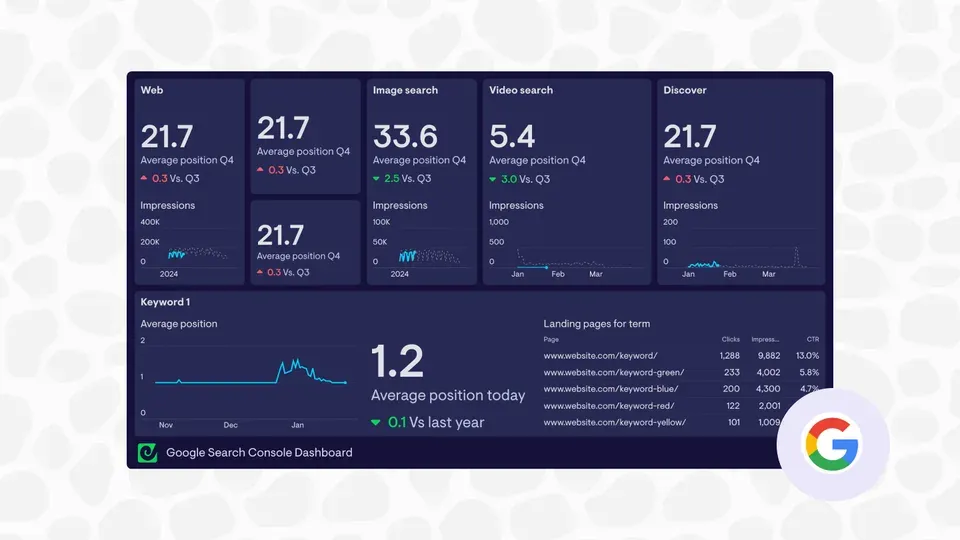
Search engines use algorithms analyzing hundreds of factors to determine which pages best answer a user's query. Understanding the core process gives you a framework for every optimization decision.
Search engines discover and serve content through three stages:
- Crawling — Bots like Googlebot follow links across the web to discover new and updated pages. Blocked crawlers or broken links prevent pages from entering the pipeline.
- Indexing — Crawled content is analyzed, categorized, and stored. Google evaluates topic, structure, freshness, and quality signals during this stage.
- Ranking — When a user searches, the algorithm retrieves relevant indexed pages and ranks them by relevance, authority, user experience, and hundreds of other signals.
A common mistake I see is website owners assuming content is indexed simply because it's published. Technical barriers — slow load times, missing internal links, or misconfigured robots.txt files — can prevent crawling entirely. Always verify indexing status in Google Search Console.
On-Page vs. Off-Page Search Engine Optimization
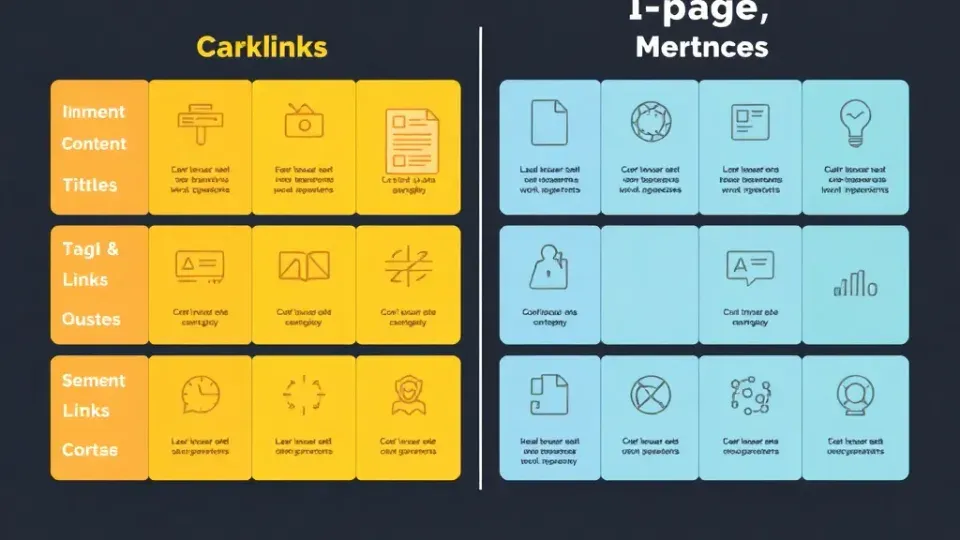
On-page SEO covers optimizations you control directly on your website. Off-page SEO includes external factors — primarily backlinks — that establish authority.
| Factor | On-Page | Off-Page | |---|---|---| | What you control | Content, titles, meta descriptions, internal links, page speed | Backlinks, brand mentions, digital PR | | Primary goal | Relevance and user experience | Authority and trust | | Timeframe | Days to weeks | Weeks to months |
On-Page SEO Best Practices
These are the SEO best practices with the most direct, controllable impact:
- Title tags and meta descriptions — Include your target keyword naturally. Keep titles under 60 characters, meta descriptions under 155.
- Header hierarchy (H1–H6) — Use logical heading structure. H1 reflects the primary topic; H2s and H3s create scannable sections.
- Content quality — Answer the user's query thoroughly. Google's helpful content system rewards first-hand experience over keyword-stuffed pages.
- Internal linking — Connect related pages to help search engines understand topic architecture.
- Core Web Vitals — LCP, INP, and CLS are confirmed ranking signals per Google's page experience documentation.
Off-Page SEO and Link Building
Backlinks remain one of the strongest authority signals. After years of working with link profiles, I've found these principles hold:
- Relevance outweighs volume. Ten links from authoritative niche sites beat 100 from unrelated directories.
- Editorial links are gold. Links earned through original research carry the most weight.
- Avoid manipulative schemes. Google's SpamBrain system identifies purchased links effectively, and penalties can devastate rankings.
Building Your SEO Strategy Step by Step

A successful SEO strategy follows a structured process — not a random checklist.
Keyword Research
Keywords are the search terms users enter into search engines. A practical workflow:
- Seed list — Brainstorm 10–20 core topics related to your business.
- Expand with tools — Use Google's "People Also Ask," Search Console query reports, or platforms like Ahrefs, Semrush, or Writora's keyword clustering tool.
- Evaluate intent — Classify keywords as informational, navigational, commercial, or transactional.
- Assess difficulty — Prioritize keywords where you can realistically rank based on current authority.
- Map to content — Assign each cluster to a specific page to avoid cannibalization.
Technical SEO Essentials
Even brilliant content underperforms with a weak technical foundation. Key areas:
- Site architecture — Flat, logical URL structures with clear internal linking
- XML sitemaps — Submitted and validated in Search Console
- HTTPS — Secure connections are a confirmed ranking signal
- Structured data — Schema markup (FAQPage, HowTo, Article) unlocks rich results
- Core Web Vitals — Monitor through PageSpeed Insights or Search Console
SEO Certification and Learning Resources
If you want to formalize your knowledge, several reputable SEO certification programs exist:
- Google Analytics Certification (free via Skillshop) — Essential for measuring performance
- HubSpot SEO Certification (free) — Well-structured beginner-to-intermediate course
- Semrush Academy (free) — Practical, tool-integrated training
- Moz Academy (paid) — In-depth courses from a respected authority
- Coursera SEO Specializations (paid, financial aid available) — University-affiliated programs
Most require no prerequisites and can be completed in days to weeks.
SEO Implementation Checklist
Use this to audit your current site or launch a new initiative:
- [ ] Install Google Search Console and Analytics — Verify your site, establish baselines
- [ ] Run a technical audit — Check crawl errors, broken links, sitemaps, HTTPS
- [ ] Evaluate Core Web Vitals — Fix LCP, INP, and CLS issues
- [ ] Conduct keyword research — Identify 20–50 target keywords grouped by intent
- [ ] Optimize on-page elements — Update titles, meta descriptions, headers, internal links
- [ ] Create a content calendar — Target keyword gaps with clear E-E-A-T signals
- [ ] Implement structured data — Add relevant Schema markup
- [ ] Build a backlink plan — Identify outreach targets, create link-worthy assets
- [ ] Set up monthly reporting — Track rankings, organic traffic, CTR, conversions
For publishers managing multiple sites, Writora combines keyword clustering, AI-assisted content creation, and one-click publishing into a single platform.
Frequently Asked Questions

How long does SEO take to show results? In my experience, most sites see measurable improvements in 3–6 months, with significant gains at 6–12 months. Technical fixes can produce results within days, while content and link strategies compound over time.
What's the difference between SEO and SEM? SEO focuses on organic traffic. SEM includes both SEO and paid search advertising (PPC). When people say "SEM," they usually mean paid ads on Google Ads.
What is the most important ranking factor? There's no single dominant factor — Google evaluates hundreds of signals. However, content relevance and quality consistently have the highest impact. A page that authentically answers the query with strong E-E-A-T signals outperforms a technically perfect page with thin content.
Final Thoughts on SEO SEO Fundamentals
SEO is an ongoing discipline, not a one-time project. It rests on understanding what search engine optimization is, knowing how SEO works, developing a clear seo strategy, and taking consistent action.
The landscape has evolved — AI integration in search means quality, trust, and genuine expertise matter more than ever. But the fundamentals remain constant: relevant content, strong technical foundations, authoritative backlinks, and excellent user experience.
Start with the implementation checklist above. Run a technical audit, conduct keyword research, and optimize your highest-potential pages. If you want to streamline the process, tools like Writora help you cluster keywords and produce optimized content efficiently.
SEO isn't dying — it's becoming smarter. The publishers who adapt to the evolving seo seo landscape will continue earning the most valuable traffic on the internet: organic visitors actively searching for what they offer.