What Is a SEO? Complete Guide to Search Engine Optimization
What Is SEO? Quick Definition SEO (Search Engine Optimization) is the practice of improving a website's content, structure, and authority so it appears h...

What Is SEO? Quick Definition
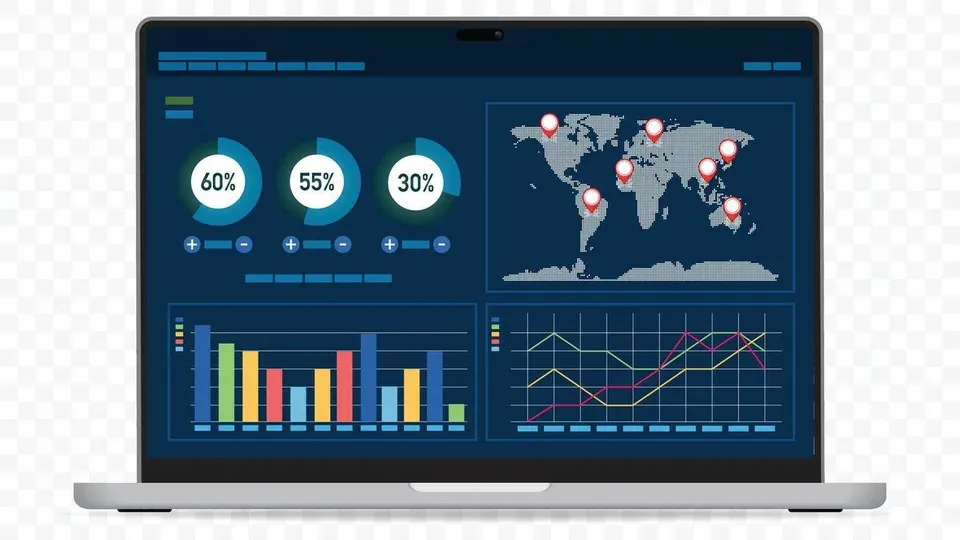
SEO (Search Engine Optimization) is the practice of improving a website's content, structure, and authority so it appears higher in organic (non-paid) search engine results. In plain terms: when a potential customer types a query into Google, what is a SEO strategy determines whether your website shows up — or gets buried on page five where nobody looks.
Understanding SEO meaning matters because the stakes are real. According to research from BrightEdge, organic search drives over 53% of all website traffic across industries. That's more than paid ads, social media, and email combined. If your business isn't investing in search engine optimization, you're essentially invisible to the largest pool of high-intent buyers on the internet.
Imagine someone searches "best running shoes for flat feet." If you sell athletic footwear and rank on page one, that person is a qualified lead arriving at your site for free. If you rank on page three, they'll never find you. That's the business case for SEO in one scenario.
This guide covers everything: the definition, how search engines actually work, the three core pillars of SEO, real-world examples, career context, and a practical checklist you can act on today.
Why SEO Matters: Business Impact and ROI
SEO isn't just a marketing tactic — it's a long-term business asset. Unlike paid advertising, where visibility stops the moment you stop paying, organic rankings compound over time. A well-optimized page can generate consistent traffic for years without incremental spend.
The financial case is strong. Forrester research has found that organic search consistently delivers among the highest ROI of any digital channel, largely because it targets users who are actively searching for what you offer. There's no interruption, no cold outreach — just a user with intent, meeting your content at exactly the right moment.
Key business outcomes driven by SEO include:
- Qualified traffic — visitors who searched for exactly what you sell
- Brand visibility — appearing on page one builds credibility, even when users don't click
- Cost efficiency — zero cost-per-click once you rank (unlike Google Ads)
- Compounding returns — strong content and authority accumulate value over time
- Competitive defensibility — established organic rankings are difficult for competitors to displace quickly
What Is SEO in Digital Marketing vs. Traditional Channels
Understanding what is SEO in digital marketing requires comparing it to alternatives. Traditional marketing (TV, print, radio) interrupts audiences who may or may not be interested. Paid digital ads (Google Ads, Meta Ads) target segments precisely but charge per click and disappear when budgets run dry.
SEO sits in a different category: inbound, intent-driven, and durable. The table below illustrates the core differences:
| Channel | Cost Model | Targeting | Longevity | Trust Level | |---|---|---|---|---| | SEO (Organic) | Time/resource investment | Intent-based | Long-term | High | | Paid Search (SEM) | Cost per click | Keyword/audience | Short-term | Moderate | | Social Media Ads | Cost per impression/click | Demographic | Short-term | Moderate | | Email Marketing | Platform cost | Subscriber list | Medium-term | High | | TV/Print | Fixed placement cost | Broad demographic | Short-term | Moderate |
The distinction between SEO and SEM (Search Engine Marketing) is particularly important: SEM includes paid search ads, while SEO refers specifically to organic, non-paid optimization. Both appear on the Search Engine Results Page (SERP), but organic results typically receive more clicks and carry more perceived credibility.
How Search Engines Work: The Foundation of SEO
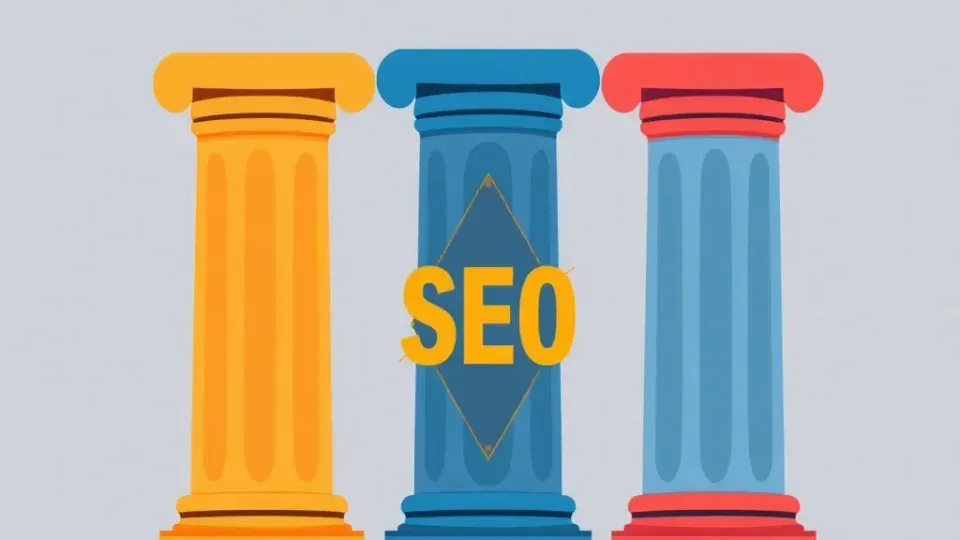
Before optimizing for search engines, you need to understand what they actually do. Google's process can be broken into three stages:
1. Crawling Search engines use automated programs called spiders or bots to discover web pages. These bots follow links across the internet, finding new and updated content continuously.
2. Indexing Once a page is crawled, Google analyzes its content and stores it in a massive database called the index. If a page isn't indexed, it can't rank — full stop. Pages can be blocked from indexing intentionally (via robots.txt or noindex tags) or accidentally, which is a common technical SEO problem.
3. Ranking When a user types a query, Google's algorithm evaluates all indexed pages relevant to that query and ranks them based on hundreds of signals. According to Google's own public documentation, these signals include content relevance, page quality, site authority, user experience, and more.
The core purpose of Google's algorithm is to deliver the most helpful, relevant, and trustworthy result for any given query. Your job in search engine optimization is to demonstrate — through your content, structure, and external reputation — that your page is exactly that.
What Is a SEO Strategy? The Three Core Pillars

What is a SEO strategy, practically speaking? At its most actionable, SEO meaning comes down to three interconnected disciplines. Google's Core Updates and frameworks like E-E-A-T (Experience, Expertise, Authoritativeness, Trustworthiness) confirm that all three areas contribute to ranking. Neglecting any one pillar creates a weak foundation.
On-Page SEO: Content and Keywords
On-page SEO covers everything you control directly on your web pages: the words, headings, metadata, and structure of your content.
At its core, on-page SEO starts with keyword research — identifying the exact terms your target audience uses when searching. From there, you optimize:
- Title tags — the clickable headline in search results (include your primary keyword)
- Meta descriptions — the short summary below the title (influences click-through rate)
- H1 and subheadings — signal content structure to both users and search engines
- Body content — must answer the searcher's query comprehensively and naturally
- Internal links — connect related pages on your site to distribute authority
- Image alt text — helps search engines understand visual content
In my experience, the most common on-page mistake is creating content that targets keywords but fails to genuinely satisfy the user's intent. Google's algorithms — particularly the Helpful Content system — are increasingly effective at detecting shallow or keyword-stuffed pages. Write for humans first, then confirm your keywords are present naturally.
Technical SEO: Site Speed and Structure
Technical SEO ensures search engine bots can efficiently crawl, index, and understand your website. Even outstanding content will underperform if technical barriers prevent Google from accessing it.
Core technical SEO factors include:
- Site speed — Google's Core Web Vitals (Largest Contentful Paint, Cumulative Layout Shift, Interaction to Next Paint) are confirmed ranking signals. Slow sites lose rankings and users.
- Mobile responsiveness — Google uses mobile-first indexing, meaning it primarily evaluates your mobile experience.
- XML sitemaps — a roadmap that helps search engines discover all your important pages.
- Structured data (schema markup) — machine-readable code that helps Google display rich results (star ratings, FAQs, recipes).
- Crawlability — ensuring no unintentional blocks in robots.txt or noindex tags.
- HTTPS security — Google confirmed HTTPS as a ranking signal; unencrypted sites lose trust.
When I audited a mid-size e-commerce site, we found over 200 pages blocked from indexing by a misconfigured robots.txt file — the site was essentially invisible for a large portion of its catalog. A thorough technical SEO audit will surface issues you likely don't know exist.
Off-Page SEO: Backlinks and Authority
Off-page SEO refers to signals generated outside your website that indicate your credibility and authority. The most important off-page signal remains backlinks — links from other websites pointing to yours.
Google has publicly stated that backlinks are among its top ranking factors. The logic mirrors academic citation: if many reputable sources link to your content, it signals that your content is trustworthy and worth referencing.
Off-page SEO strategies include:
- Earning editorial backlinks — getting mentioned naturally by journalists, bloggers, and publishers
- Digital PR — creating linkable assets (original research, tools, data studies)
- Guest posting — contributing expert content to industry publications
- Brand mentions — even unlinked mentions of your brand name contribute to authority signals
- Local citations — for local businesses, consistent NAP (Name, Address, Phone) listings across directories
Quality matters far more than quantity — one link from a respected industry publication is worth more than 50 links from low-authority directories.
How Does SEO Work? Key Ranking Factors That Matter
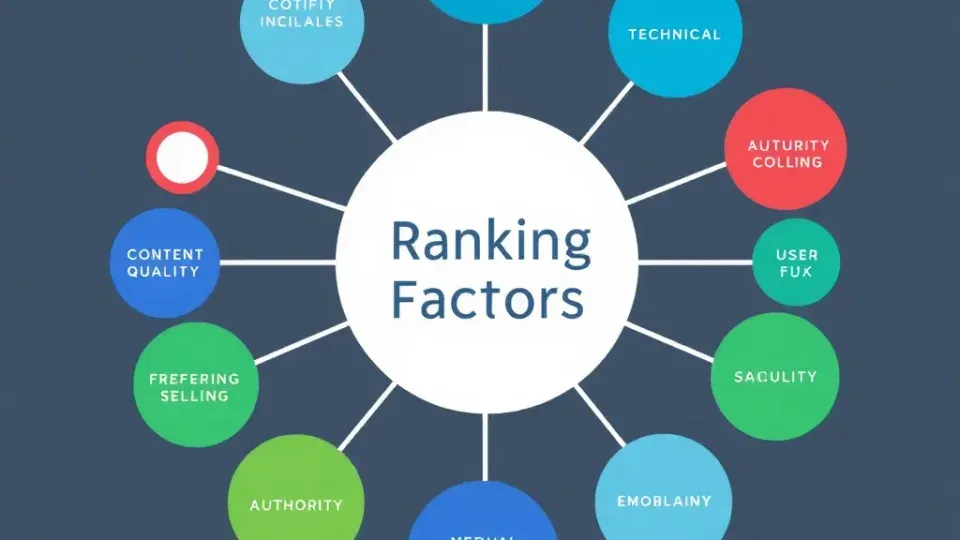
Understanding how does SEO work in practice means understanding the specific signals Google weighs. The algorithm processes hundreds of factors, but research from sources like Moz, Ahrefs, and Google's own documentation consistently highlights a core set of high-impact elements:
| Ranking Factor | Pillar | Why It Matters | |---|---|---| | Content quality and depth | On-Page | Directly answers user intent; E-E-A-T aligned | | Keyword relevance | On-Page | Signals topical match to query | | Backlink quantity and quality | Off-Page | Indicates authority and trustworthiness | | Core Web Vitals (speed/UX) | Technical | Confirmed ranking signals since 2021 | | Mobile-friendliness | Technical | Mobile-first indexing standard | | Page experience | Technical | Encompasses security, stability, speed | | Internal linking structure | On-Page/Technical | Distributes authority; aids crawling | | User engagement signals | On-Page | Bounce rate, time-on-page indicate content quality | | Domain authority/age | Off-Page | Established domains have built-in trust | | Structured data | Technical | Enhances SERP appearance and extraction |
Measuring and improving these factors requires the right toolset. Tools like Google Search Console (free, essential), SEMrush, Ahrefs, and Screaming Frog give you actionable data on your rankings, backlinks, site health, and keyword opportunities. Google Search Console in particular is non-negotiable — it's direct data from Google about how your site is performing in search.
Real-World SEO Examples Across Industries
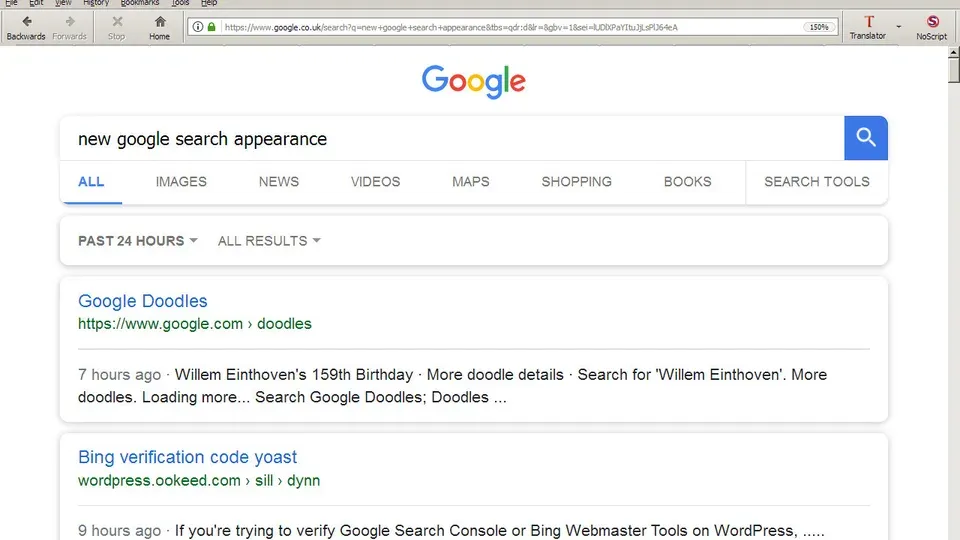
Abstract concepts click when you see them in context. Here are four industry scenarios showing how SEO works in practice.
E-Commerce: Product Page Optimization
An online sporting goods retailer wants to rank for "trail running shoes women." They optimize product pages with detailed descriptions answering common questions (drop, cushioning, terrain type), add customer reviews for fresh user-generated content, compress images for speed, and earn backlinks from running blogs through a gear review program. Within eight months, the category page ranks on page one — driving consistent traffic without ad spend.
Local Business: Google Business Profile + Local SEO
A plumbing company in Austin wants to appear when someone searches "emergency plumber Austin." They optimize their Google Business Profile, ensure consistent NAP citations across directories, collect genuine customer reviews, and publish locally relevant blog content. Local SEO elevates them into the Google Map Pack — the three local results that dominate local SERPs — resulting in a measurable increase in inbound calls.
SaaS: Bottom-of-Funnel Content
A project management software company targets decision-stage keywords like "best project management software for remote teams." They publish a detailed comparison page addressing specific pain points, include pricing transparency, and earn backlinks from software review sites. Because these searchers are close to purchase, conversion rates from organic traffic are significantly higher than from brand awareness channels.
Publisher/Media: Topical Authority
A health and wellness publisher wants to rank competitively for medical topics. Post-Google's Helpful Content and E-E-A-T updates, they ensure all articles are written or reviewed by credentialed professionals, add author bios with credentials, cite peer-reviewed research, and build a content cluster strategy. Over 12 months, domain authority rises and rankings stabilize even through algorithm updates.
SEO Careers and Job Roles
SEO has matured into a distinct professional discipline with defined career paths. If you're exploring what is a SEO job, here's the landscape:
- SEO Specialist — executes on-page optimization, keyword research, and performance reporting
- Technical SEO Engineer — focuses on site architecture, crawl optimization, and page speed
- SEO Content Strategist — develops content roadmaps aligned to keyword opportunity and search intent
- Link Building Specialist — manages outreach campaigns and digital PR to earn backlinks
- SEO Manager / Director — leads team strategy, cross-functional collaboration, and budget allocation
- In-House SEO — embedded within a company's marketing team, with deep product and brand knowledge
- Agency SEO — works across multiple client accounts, often specializing by industry
According to LinkedIn data, SEO-related job postings have grown consistently as businesses recognize that organic search is a core revenue driver rather than a secondary marketing activity. Entry-level roles typically combine content and analytics skills; senior roles increasingly require understanding of technical architecture and business strategy.
Your SEO Quick-Start Checklist

Use this checklist to audit your current SEO baseline and identify your highest-priority improvements. You don't need to do everything at once — focus on foundational items first.
Foundation Setup
- [ ] Verify your site is indexed in Google Search Console
- [ ] Confirm HTTPS is enabled across all pages
- [ ] Submit an XML sitemap to Google Search Console
- [ ] Check that important pages aren't blocked by robots.txt
On-Page SEO
- [ ] Every key page has a unique, keyword-optimized title tag (under 60 characters)
- [ ] Each page has a compelling meta description (under 160 characters)
- [ ] Primary keyword appears in the H1 heading
- [ ] Content comprehensively addresses the searcher's query
- [ ] Internal links connect related pages across your site
- [ ] Images have descriptive alt text
Technical SEO
- [ ] Run a Core Web Vitals test (Google PageSpeed Insights)
- [ ] Confirm the site is fully mobile responsive
- [ ] Fix any 404 errors or broken internal links
- [ ] Add structured data (schema) to key page types (products, FAQs, articles)
- [ ] Conduct a technical SEO audit to surface crawl issues
Off-Page SEO
- [ ] Claim and optimize your Google Business Profile (local businesses)
- [ ] Identify 5–10 relevant industry sites for potential link-building outreach
- [ ] Review your backlink profile in Google Search Console or Ahrefs
- [ ] Develop at least one "linkable asset" (original data, tool, or comprehensive guide)
Keyword and Content
- [ ] Conduct keyword research to identify 10–20 target terms
- [ ] Map each keyword to a specific page or planned content piece
- [ ] Identify content gaps where competitors rank but you don't
Tools
- [ ] Google Search Console — set up and monitor weekly
- [ ] Google Analytics 4 — track organic traffic and conversions
- [ ] One SEO platform (SEMrush, Ahrefs, or similar) for keyword and backlink data
If you're an independent publisher or small team looking to accelerate this process, Writora is worth exploring. It's an all-in-one SEO platform built specifically for independent publishers, combining keyword clustering, AI-assisted article generation, and one-click publishing. It's particularly useful for executing a content calendar at scale without needing a large team. The free trial lets you test the workflow before committing.
Frequently Asked Questions About SEO
What is the difference between SEO and SEM (paid search)?
SEO focuses on earning visibility in organic (non-paid) search results through content, technical optimization, and authority building. SEM (Search Engine Marketing) typically refers to paid search advertising — primarily Google Ads — where you bid on keywords and pay per click. Both appear on the same SERP, but SEO results are earned while SEM results are purchased. The key distinction: SEO traffic continues after you stop working; SEM traffic stops the moment you stop paying.
How long does it take to see results from SEO?
SEO is not a fast channel. Most websites see meaningful ranking improvements within 3–6 months of consistent effort, with fuller impact typically realized over 6–12 months. Established domains with existing authority may see faster initial movement. Brand-new sites or highly competitive industries may require 12–18 months before significant organic traffic materializes. Google's own guidance emphasizes that SEO is a long-term investment — expect a gradual, compounding curve rather than overnight results.
What is the difference between white-hat and black-hat SEO?
White-hat SEO refers to practices that follow Google's Webmaster Guidelines — creating genuinely useful content, earning legitimate backlinks, and improving user experience. Black-hat SEO involves manipulative tactics designed to game rankings: buying links, keyword stuffing, cloaking (showing different content to bots vs. users), or using private blog networks. Black-hat tactics may produce short-term gains but carry serious risk — Google's manual penalties and algorithm updates (like Penguin) are specifically designed to detect and penalize them. In my experience, black-hat shortcuts consistently cause more long-term damage than the short-term traffic is worth.
Is SEO still important with AI and ChatGPT?
Yes — and the answer is nuanced. AI tools like ChatGPT are changing how some users find information, but Google remains the dominant search interface globally, processing over 8.5 billion queries per day (Internet Live Stats estimate). Google itself has integrated AI (Google AI Overviews) into its results, but these overviews still pull from indexed, authoritative web content — making SEO more important for being the source AI cites, not less. The evolving discipline of answer engine optimization (AEO) — structuring content so AI systems can extract and cite it — builds directly on foundational SEO principles like E-E-A-T, structured data, and content clarity.
How much does SEO cost, and do I need an agency or in-house team?
SEO costs vary significantly by approach. DIY SEO using free tools (Google Search Console, Google Analytics) costs primarily time. Freelance SEO specialists typically charge $75–$200/hour. Boutique agencies range from $1,500–$10,000/month depending on scope; enterprise agencies charge significantly more. In-house SEO roles carry salary costs of $60,000–$120,000+ annually for experienced practitioners (varies by market).
The right choice depends on your scale and internal capacity:
- Small business / early-stage startup: Start with DIY fundamentals and freelance support for specific tasks
- Growing business: A hybrid model (in-house content + agency for technical and link building) often works well
- Enterprise: Dedicated in-house team with agency partnerships for specialized needs
Conclusion: What Is a SEO Strategy That Actually Works?
You now have a complete picture of what is a SEO strategy, from its core definition through to real-world application. To summarize the essentials:
Search engine optimization is the discipline of making your website visible, credible, and useful to both search engines and the humans using them. It rests on three interconnected pillars — on-page SEO (content and keywords), technical SEO (site infrastructure and speed), and off-page SEO (backlinks and authority) — and delivers compounding business value that paid channels simply can't replicate over the long term.
Understanding how does SEO work in practice means recognizing that it isn't a one-time fix. It's an ongoing process of improving content quality, maintaining technical health, and building external authority — all signals that tell Google your site deserves to rank.
SEO isn't optional in a digital-first market. Your customers are searching for what you offer right now. The question is whether they find you or your competitor.
The best next step is to start with what you can control: run the quick-start checklist above, set up Google Search Console if you haven't already, and identify your three most important pages to optimize this month. If you want to scale content production systematically, try Writora — its keyword clustering and AI-assisted publishing workflow is designed to help independent publishers build organic visibility without a full agency budget.
SEO rewards consistency. Start now, stay systematic, and the compounding results will follow.